Why a Viking Appliance Keeps Tripping the Breaker: When to Stop Resetting
A breaker that repeatedly trips is doing safety work. Depending on the appliance, the cause can be household wiring, moisture, heaters, motors, compressor/start hardware,…
When a Viking refrigerator cannot maintain temperature, food storage becomes the first decision. A code, alarm, or fan noise can wait; perishable food should not remain in a cabinet that is steadily warming.

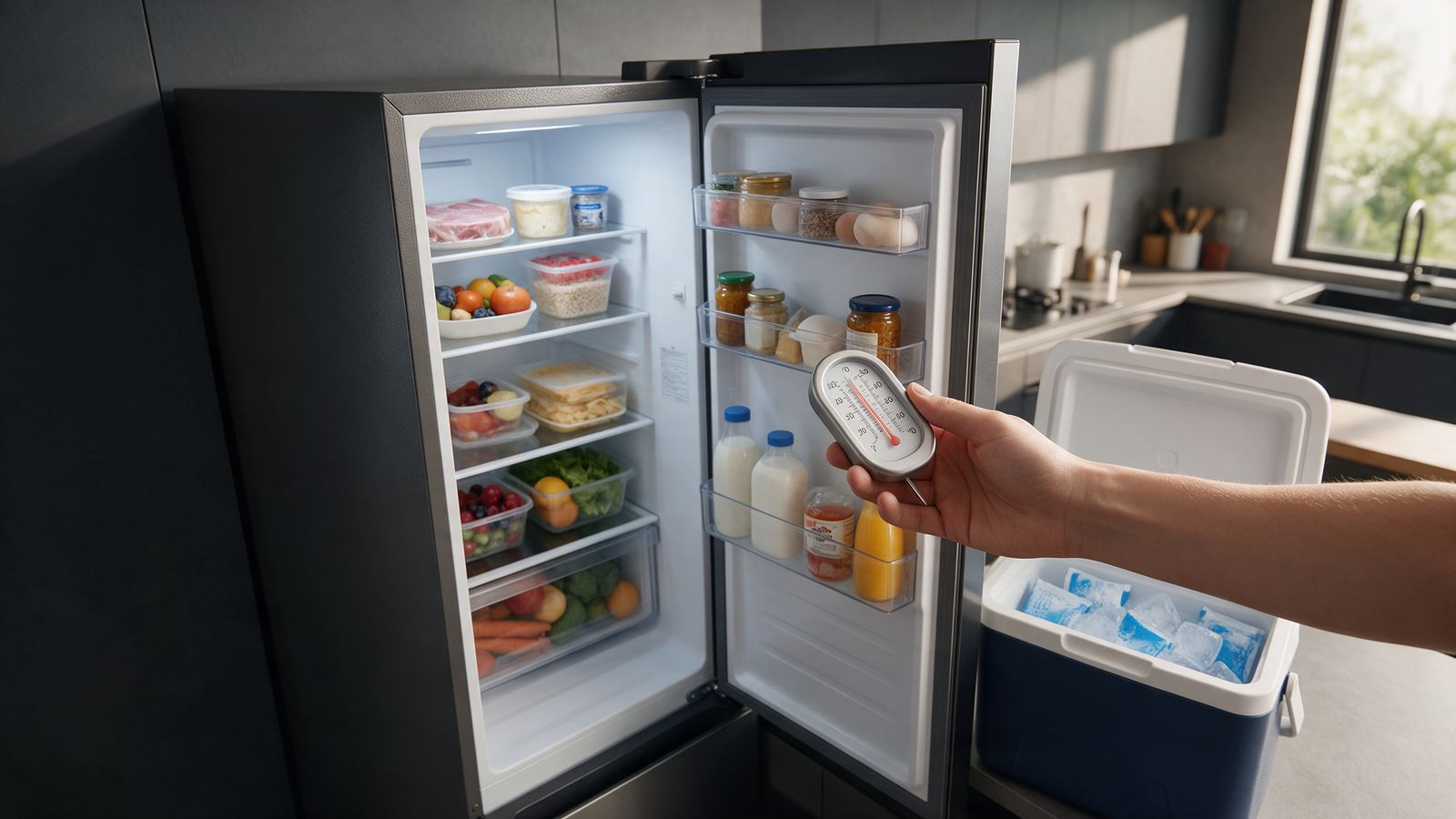
A warming Viking refrigerator is a food-storage problem before it is a repair problem. Read the real compartment temperatures with a thermometer, move perishables to safe cold storage if they keep climbing, and only then look at doors, loading and alarms; book a diagnosis when the readings keep rising after those basic checks.
When a Viking refrigerator cannot maintain temperature, food storage becomes the first decision. A code, alarm, or fan noise can wait; perishable food should not remain in a cabinet that is steadily warming.
| Symptom | What it can point to | What you can safely check |
|---|---|---|
| Display does not match the set point soon after plug-in, warm groceries or heavy door use | Settling rather than a fault; the manual for one 7 Series model says to let the temperature stabilize for 24 hours | Keep doors shut and compare a thermometer reading with the display later |
| Door-open alarm | A door not fully closed, or a gasket held open by a package or debris | Look for items against the seal and wipe a dirty gasket |
| Flashing CL on the temperature display | A prompt to clean the condenser coil on some integrated models, not a food-safety alarm | Follow the manual’s coil-cleaning instructions |
| Flashing POWER indicator with no sound on a 5 Series built-in | A power interruption was recorded | Check that the outlet and breaker are live and watch whether temperatures recover |
Viking refrigeration spans built-in, integrated, freestanding, undercounter and related ice/water systems. Exact model identity, cabinet ventilation, door alignment and refrigeration platform matter before technical information is applied. The platform matters: 5 Series built-ins use one variable-speed compressor while the 7 Series uses two, and the displays and alarms in each manual differ.
Alarm behavior is published in the use-and-care manuals for specific refrigeration platforms, and the wording differs between them. On many 7 Series integrated models the listed alarms include High Temperature (the display flashes), Water Filter (the filter button lights blue), Open Door after 3 minutes, long-term power loss, a Bluezone bulb indicator and Clean Condenser Coil. On many 5 Series built-in all-refrigerator and all-freezer models, a High Temperature alarm sounds and a HIGH TEMP light glows when the temperature has been too high for two hours, while a power loss appears as a flashing POWER indicator without any sound.
The freestanding French door manual describes a Temp Alarm that triggers after an hour above normal and resets after 30 minutes of normal temperature. An alarm that has cleared therefore tells you the cabinet recovered, not that the cause is gone, and a quiet cabinet is not proof that food is still cold. Trust the thermometer, and check your own manual for the alarms your model actually has.
Do not bypass door switches, fans, sensors, or controls to keep the unit running. If temperatures continue to rise, arrange service.
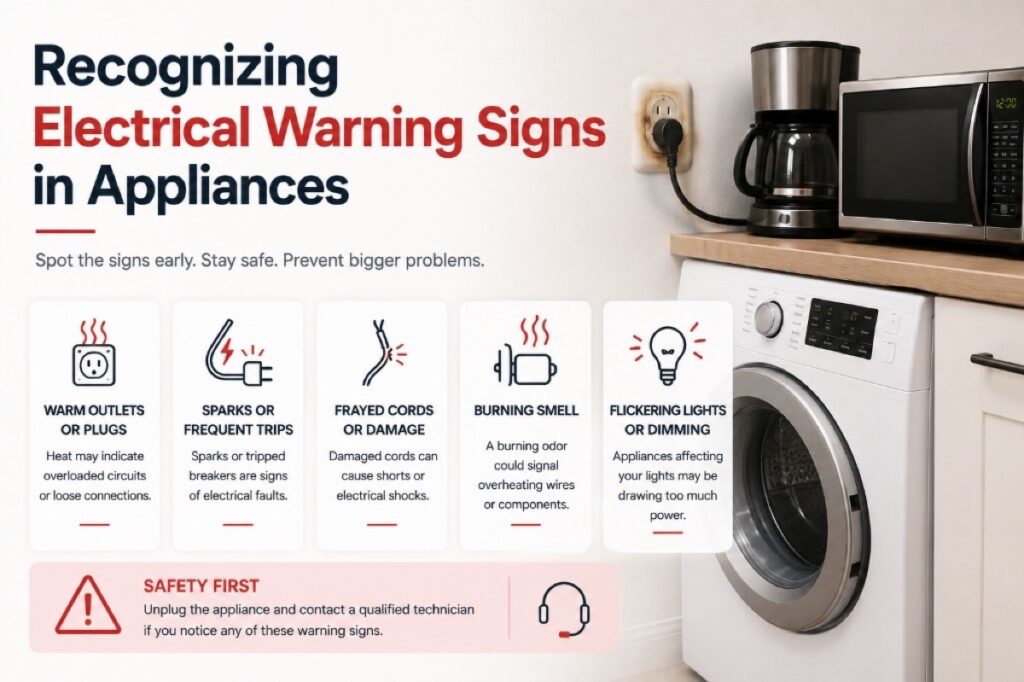
Stop normal operation for smoke, sparking, burning electrical odor, repeated breaker trips, persistent gas odor, uncontrolled overheating, water contacting electrical connections or other clear fire/gas/electrical/flooding hazards.
Do not bypass safety devices or perform live electrical, internal gas, sealed-refrigeration, induction-power or microwave high-voltage work.
Write down:
Those details reduce repeated owner checks and help the technician choose a focused diagnostic path.
A compressor that runs for long stretches is described as normal on hot days, with large food loads and with frequent door opening. A crowded cabinet also blocks air movement, and food on the uppermost shelf under the air vent may freeze, so uneven readings inside do not always mean the system has failed.
What deserves attention is a trend: readings that keep climbing with doors closed and nothing blocking airflow.
Leave heavy professional ranges, built-in refrigerators, wall ovens, undercounter products and tightly installed appliances in place unless the service team specifically requests access. Moving an appliance without a plan can disturb flooring, cabinetry, anti-tip hardware, gas, electrical, water, drain or ventilation connections.
For condos, high-rises, gated properties and custom kitchens, include loading, elevator, shutoff, parking and clearance information when booking.
Do not clear a useful code before recording it. Do not order a part because another Viking owner described a similar symptom. Do not apply an oven F-code meaning to a refrigeration or dishwasher platform without verification.
One controlled owner-level check is useful when it answers a question. Repeated resets and panel removal usually remove evidence instead of adding it.
For adjacent symptoms, read Viking Refrigerator Not Cooling: Separate Door, Airflow, and Refrigeration Clues and Viking Wine Cellar Not Cooling: Temperature Drift Has More Than One Cause.
Should I keep resetting the Viking appliance if it starts working again? Use one normal model-approved restart when appropriate and record any code first. If the same condition returns, repeated resets are not a repair.
Should I buy a part from the symptom or F-code alone? Usually no. Similar symptoms can come from different components, installation conditions or utility problems.
Can I remove panels to inspect wiring, gas parts or controls? No. Keep homeowner checks external and model-appropriate.
Why does the full model number matter? Viking has multiple product series and generations. Exact model identity helps prevent the wrong technical path.
How do I know when to move food out of a warming Viking refrigerator? Use a thermometer rather than the display or the feel of the shelves. If readings keep rising with the doors shut and nothing blocking airflow, move perishables to cold storage you trust and then book a diagnosis. The manuals do not give a universal time limit, so avoid guessing.
Does a flashing POWER light mean the compressor failed? Not by itself. The manual for one 5 Series built-in describes a flashing POWER indicator with no sound as the sign of a power loss. Check that the outlet and breaker are live and see whether temperatures come back down.
What does a blinking CL on the display mean? On many 7 Series integrated models it is a reminder to clean the condenser coil. The manual describes clearing the indicator by holding the UP and DOWN arrows for 3 seconds, and it is a maintenance prompt rather than a food-safety alarm.
A breaker that repeatedly trips is doing safety work. Depending on the appliance, the cause can be household wiring, moisture, heaters, motors, compressor/start hardware,…
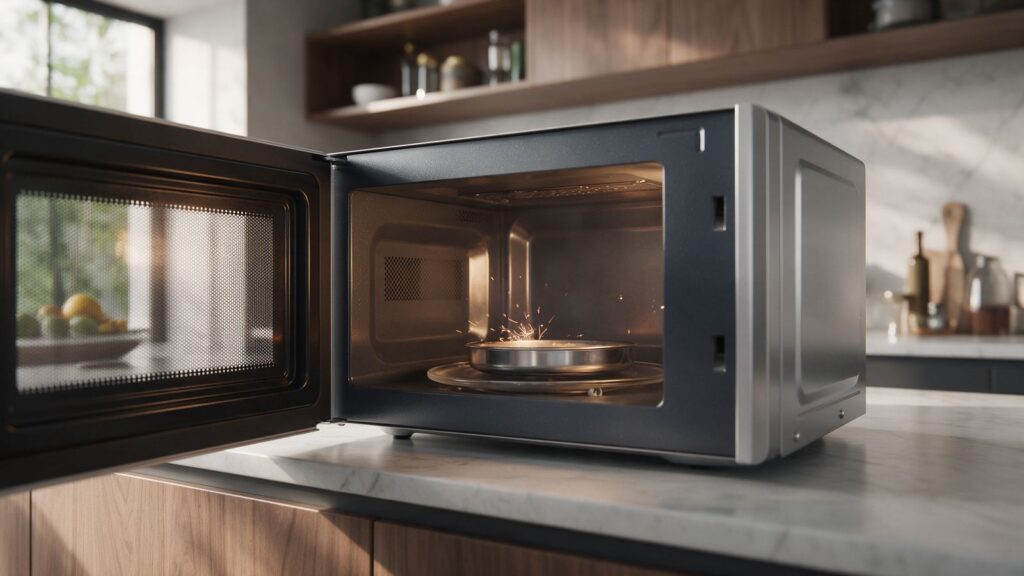
Arcing can be caused by inappropriate metal, damaged accessories, heavy food residue, cavity damage, or an internal high-voltage problem. Continuing to run the microwave…
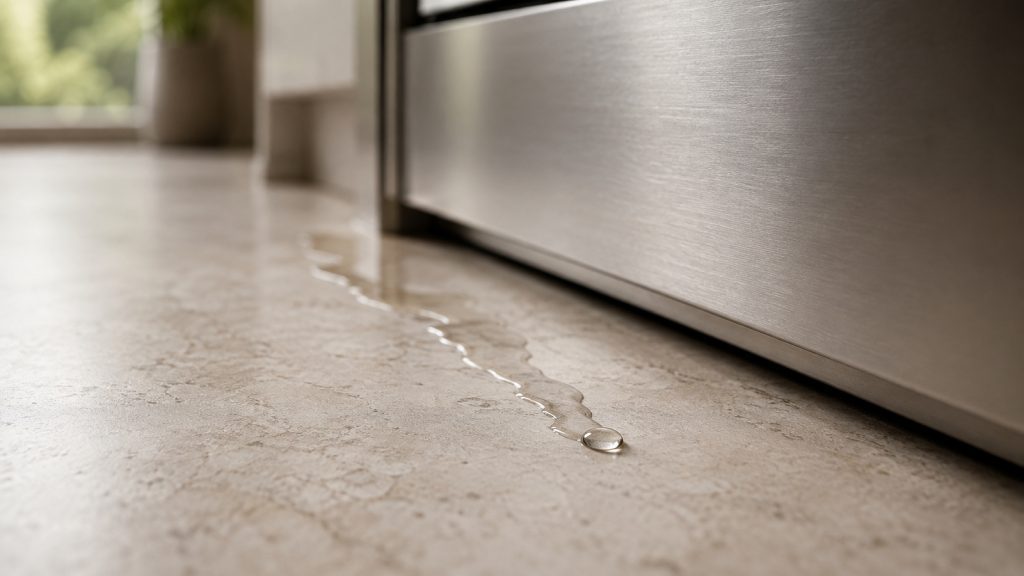
A built-in dishwasher combines water, pumps, heaters, wiring, and controls. Water escaping beyond the intended tub and drain path should be contained before repeated…
Share a few details and we’ll confirm an appointment. Prefer to talk? Call us and we’ll help right away.