Viking Dryer Vent Habits That Protect Fabrics and the House
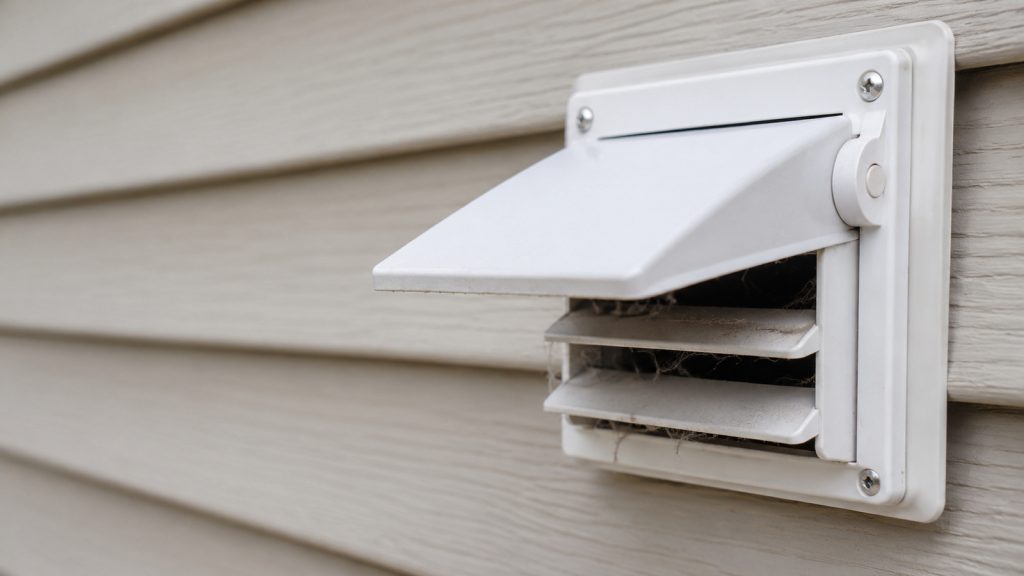
Lint screen discipline and clear exhaust paths cut dry times and reduce laundry-room fire risk.
Front-load odor usually lives in the gasket folds and detergent drawer — simple drying habits beat harsh chemical overuse.

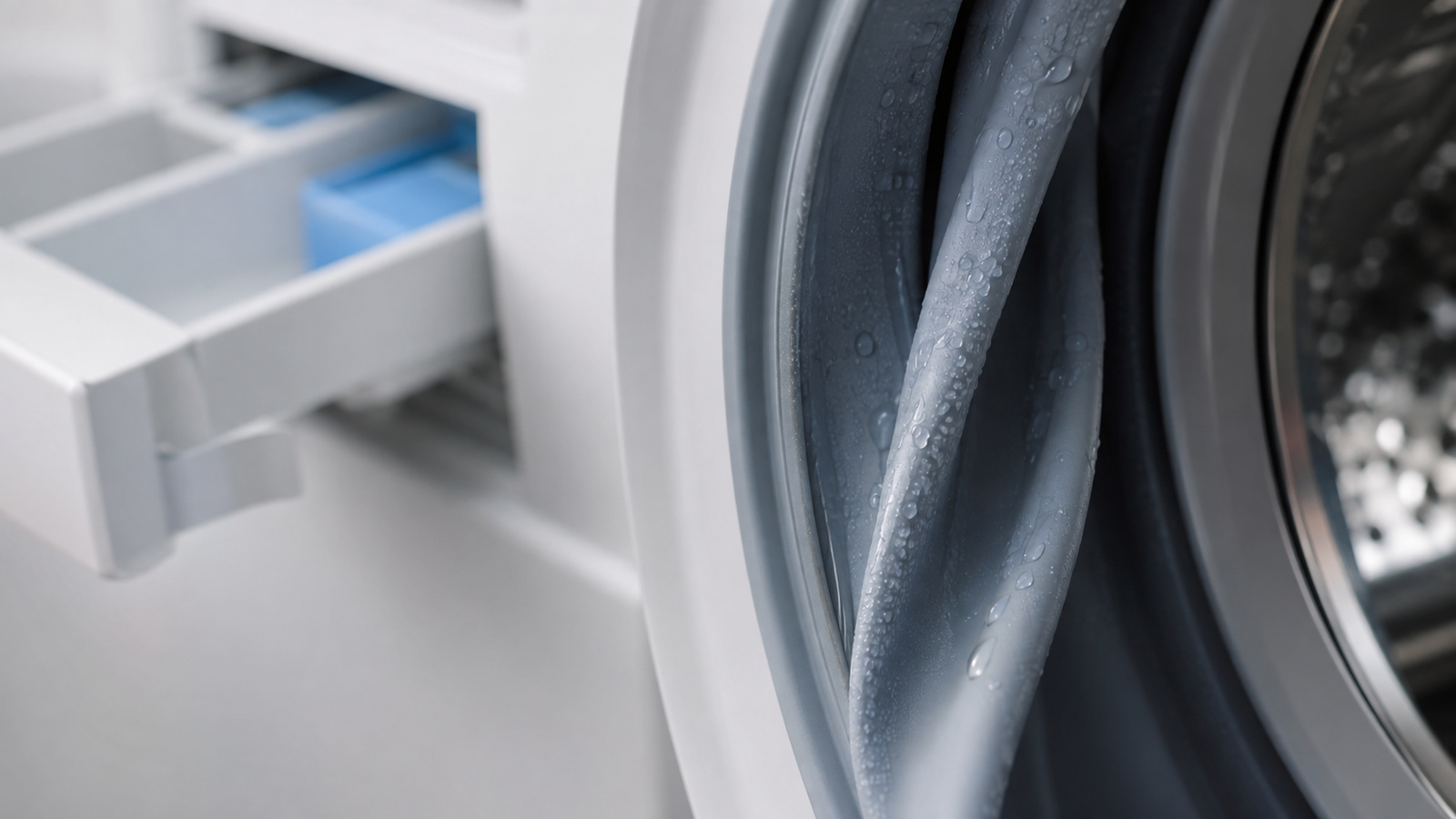
Musty towels often blame the washer when moisture trapped in the door boot and dispenser is the real culprit. Front-loaders seal tightly; that efficiency keeps damp air inside unless you wipe and air them out.
Laundry rooms beside Viking kitchens benefit from the same discipline: measure detergent, clean the gasket, and run the maker’s drum-clean cycle on schedule.
After the last load of the day, pull back the folds of the door seal and wipe standing water and trapped hairs. Leave the door cracked overnight so the drum can dry.
Check for a small sock or tissue stuck in the boot — forgotten items decay quickly and perfume the next wash.
| Habit | When | Payoff |
|---|---|---|
| Wipe door boot | After wet loads | Cuts mildew growth |
| Clean detergent drawer | Monthly | Removes slime film |
| Drum-clean cycle | As manual suggests | Refreshes hidden surfaces |
Extra soap does not mean cleaner laundry in high-efficiency machines; it leaves residue that feeds odor. Use HE detergent at the marked dose for soil level and water hardness.
Occasional warm washes help dissolve film that cold-only routines leave behind. Follow fabric care labels while rotating in a hotter maintenance wash.
Safe to try
Leave to a technician
If smells remain after gasket care, drawer cleaning, and a drum-clean — or if you see black mold deep in inaccessible ducts — book service rather than pouring ever-stronger chemicals.
Leaks into the cabinet insulation can also create odor that owner wiping cannot reach.
Stick to products the washer manual lists. Random internet mixtures can damage seals and void goodwill on warranty-adjacent repairs.
Fresh washers come from dry gaskets, honest detergent dosing, and scheduled drum care — not from ignoring the boot until towels smell like a basement.
This article covers Front-Load Viking Washer Odors: with practical checks you can run before booking a technician.
Need help now? Visit our services page or contact us.
Official manuals and support notes are available on Viking Range owner support.
Remember: Front-Load Viking Washer Odors: is easier to resolve when you capture the model number and when Front-Load Viking Washer Odors: first appeared.
Write down the full model number before ordering parts. Board and sensor revisions can change which part number is correct.
A single power reset can clear a temporary fault, but repeated returns of the same code usually mean a physical cause remains.
Keep vents and filters clear between visits. Restricted airflow often mimics electrical or sensor failures.
If water, burning smells, or sparking are present, stop using the appliance and arrange a professional inspection.
Yes, slightly ajar helps the dispenser dry along with the door.
They help on a schedule, but wiping the gasket still matters every wet day.
Absolutely. Standing water behind a packed filter goes sour quickly — clear it per the manual.
Lint screen discipline and clear exhaust paths cut dry times and reduce laundry-room fire risk.
Clean accessible grilles and intact door seals help Viking built-in refrigerators run shorter, quieter cycles.
Seal wipes, grille clearance, and steady setpoints keep a Viking wine cellar stable between professional visits.
Share a few details and we’ll confirm an appointment. Prefer to talk? Call us and we’ll help right away.
Use the secure scheduler below to request your appointment.