Viking Ventilation Maintenance: Filters, Grease, Airflow, and Noise
A Viking hood or downdraft can become louder and less effective when filters load with grease or the duct path develops resistance. Airflow should…
Dedicated ice machines need clean water handling, normal drainage, correct ventilation, and model-appropriate cleaning. Scale and restricted airflow can reduce performance without an immediate hardware failure.

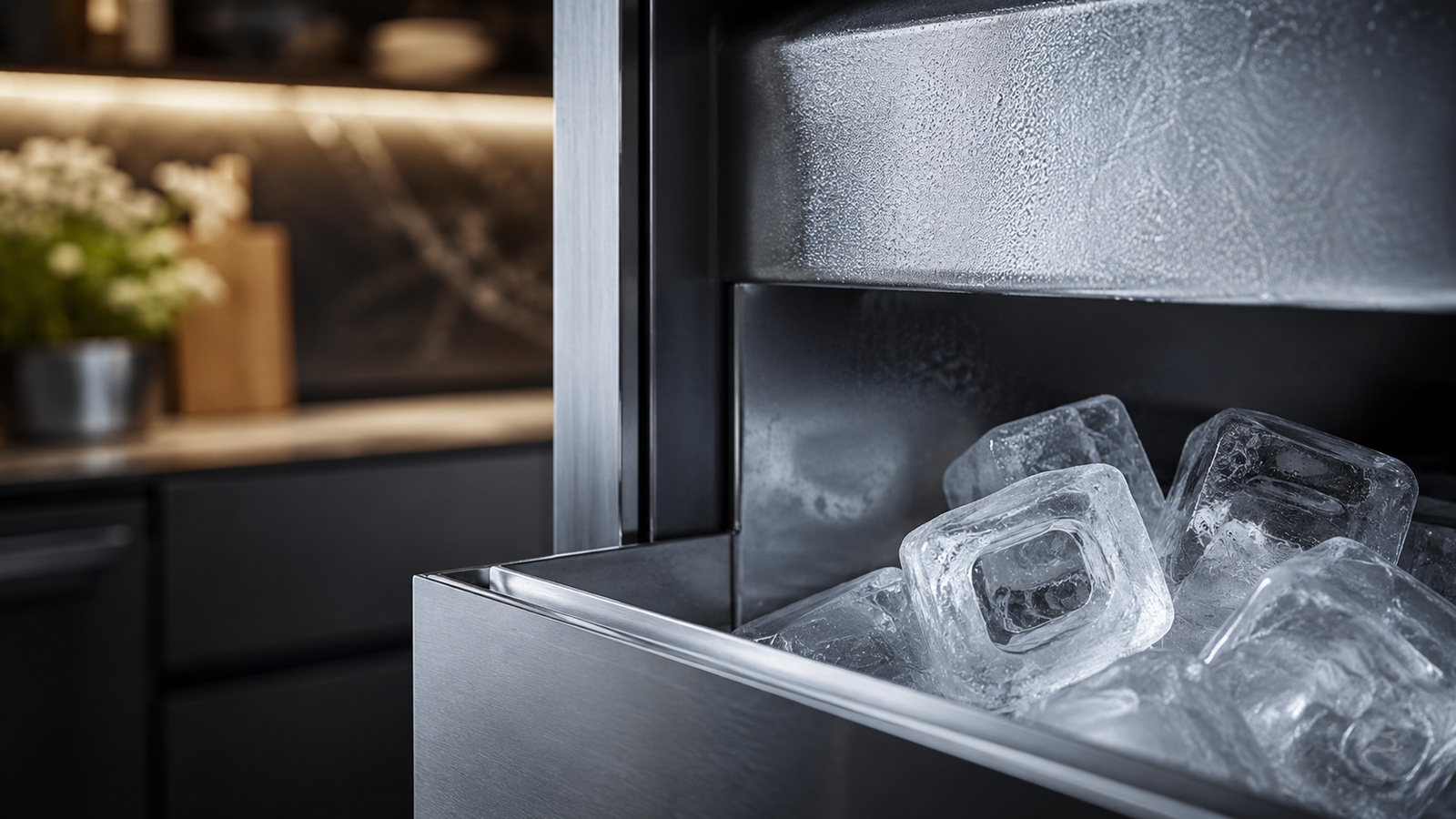
Viking ice machine upkeep comes down to four habits: keep the water supply and drain flowing, clean the ice-making system on the schedule in the manual, keep the condenser area clear for airflow, and keep bottles and clutter out of the bin. When production drops or the Time to Clean light comes on, those four areas are the place to start.
Dedicated ice machines need clean water handling, normal drainage, correct ventilation, and model-appropriate cleaning. Scale and restricted airflow can reduce performance without an immediate hardware failure.
| Symptom | What it can point to | What you can safely check |
|---|---|---|
| Time to Clean light is on | The cleaning interval has been reached | Clean the ice-making system as the manual describes |
| Check Water light flashing blue | Water supply problem | Check the supply and valve; the control rechecks and restarts on its own |
| Low ice production | Restricted drain, standing water in the bin, or dirty condenser fins | Look for standing water and a blocked drain; vacuum lint from the condenser |
| Ice stops while the bin looks partly full | Bin level sensing shutting production off | Remove ice and see whether production restarts |
| No ice at all | Power, switch, or water supply | Check the On/Off switch, breaker, and Check Water light |
Viking clear and nugget ice machines add water, drainage, cleaning, refrigeration and harvest systems beyond a refrigerator ice maker. The failed stage must be identified.
Maintenance should preserve normal sealing, airflow, water flow, drainage, loading, filtration, ventilation and user-accessible cleanliness.
On the manual for the Viking undercounter clear and nugget ice machines, the Time to Clean light comes on after 6 months of use and stays on until the ice-making system is cleaned. The same manual says to clean the system at least once a year, and preferably twice. The light is a schedule reminder, not a fault code.
If the Check Water light flashes blue, the machine is telling you to check the water supply. The control checks for water every 20 minutes and restarts ice making automatically once water returns, so a restored supply does not need a manual restart.
If production stays low, water leaks, the machine fails to drain, or unusual noise returns after routine care, move to diagnosis.
If the same symptom returns after correct routine care, move to diagnosis rather than stronger chemicals, repeated resets or random parts.
Viking says a drain is required on all of its ice machines, with an optional drain pump. The condenser works like a radiator, so lint on the fins limits performance: vacuum it and keep the front of the machine unblocked in a well-ventilated location. Do not store bottles in the bin, because labels can plug the drain.
Ice production also depends on the bin. Sensing tubing shuts production off when the bin is full and starts it again as the level falls. The first batches can melt, and filling the bin takes 8 to 10 hours, so an empty bin right after a restart is not necessarily a failure.
Write down:
Those details reduce repeated owner checks and help the technician choose a focused diagnostic path.
The Time to Clean and Check Water lights are the messages the ice machine manual lists. Anything else on the display should be written down exactly and matched against the manual for your own machine.
Leave heavy professional ranges, built-in refrigerators, wall ovens, undercounter products and tightly installed appliances in place unless the service team specifically requests access. Moving an appliance without a plan can disturb flooring, cabinetry, anti-tip hardware, gas, electrical, water, drain or ventilation connections.
For condos, high-rises, gated properties and custom kitchens, include loading, elevator, shutoff, parking and clearance information when booking.
Do not clear a useful code before recording it. Do not order a part because another Viking owner described a similar symptom. Do not apply an oven F-code meaning to a refrigeration or dishwasher platform without verification.
One controlled owner-level check is useful when it answers a question. Repeated resets and panel removal usually remove evidence instead of adding it.
For adjacent symptoms, read Viking Refrigerator Not Cooling: Separate Door, Airflow, and Refrigeration Clues and Viking Wine Cellar Not Cooling: Temperature Drift Has More Than One Cause.
Should I keep resetting the Viking appliance if it starts working again? Use one normal model-approved restart when appropriate and record any code first. If the same condition returns, repeated resets are not a repair.
Should I buy a part from the symptom or F-code alone? Usually no. Similar symptoms can come from different components, installation conditions or utility problems.
Can I remove panels to inspect wiring, gas parts or controls? No. Keep homeowner checks external and model-appropriate.
Why does the full model number matter? Viking has multiple product series and generations. Exact model identity helps prevent the wrong technical path.
How often does a Viking ice machine need cleaning? The manual says at least once a year, and preferably twice, with a Time to Clean light that comes on after 6 months of use. Follow the cleaning steps in the manual for your own model.
Why is my Viking ice machine making less ice? The manual points to a restricted drain, standing water in the bin, and dirty condenser fins as checks for low capacity. Clear lint from the fins and make sure nothing blocks the drain.
What does a flashing blue Check Water light mean? It means to check the water supply. The control checks for water every 20 minutes and restarts ice making by itself once water returns.
A Viking hood or downdraft can become louder and less effective when filters load with grease or the duct path develops resistance. Airflow should…
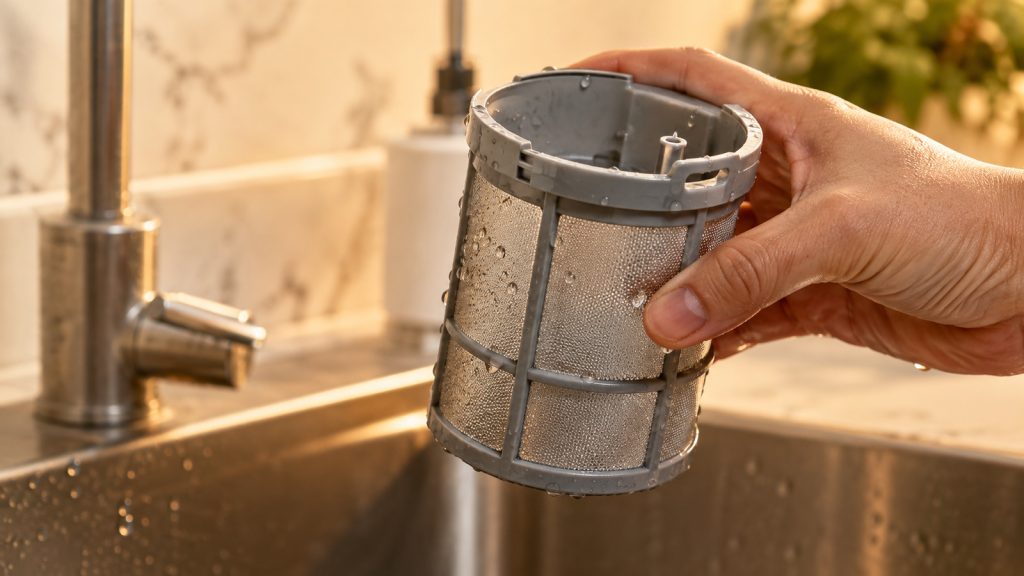
Food debris in owner-accessible filter and sump areas can reduce wash performance, contribute to odor, and complicate draining. Routine cleaning gives circulation and drain…
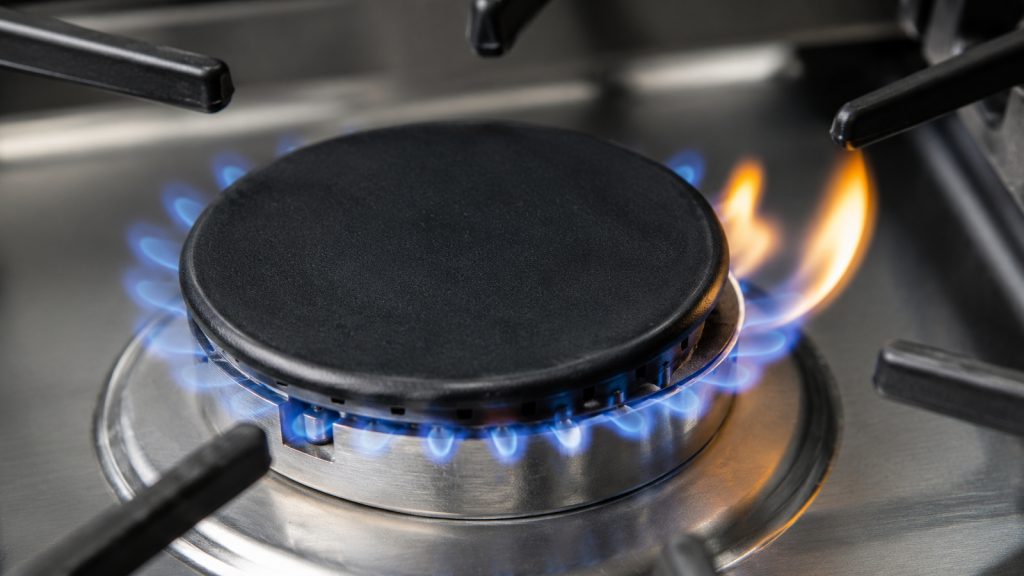
Spills and cleaning moisture can make a gas burner slow to ignite even when the ignition system is healthy. Correct burner-cap placement and complete…
Share a few details and we’ll confirm an appointment. Prefer to talk? Call us and we’ll help right away.