Viking Gas Cooktop Flames Turning Lazy or Yellow
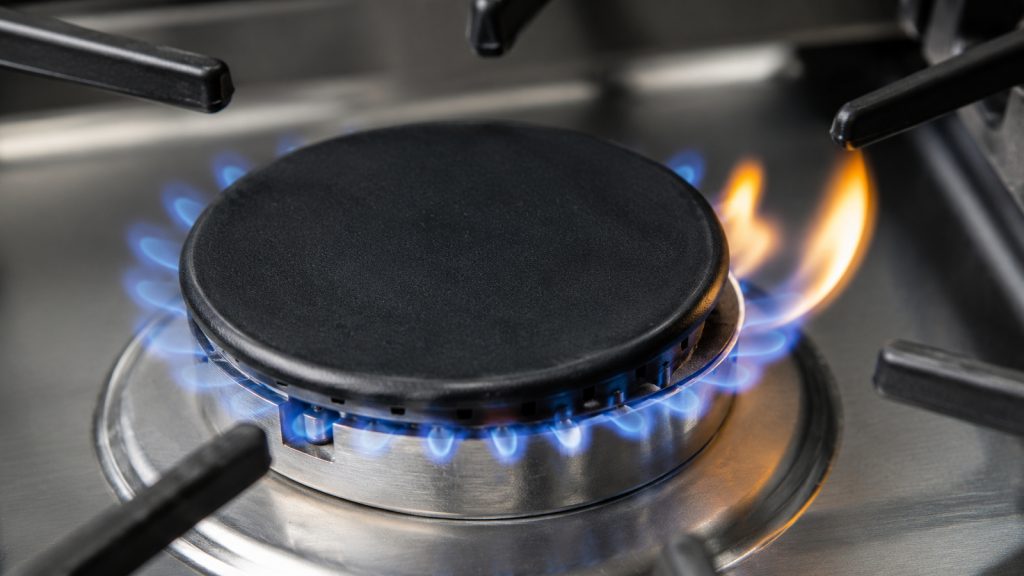
Uneven or yellow Viking cooktop flames often mean dirty ports or misaligned caps — know when supply problems need a pro.
Wet plastics and pooled glasses after a Viking wash often trace to rinse aid, loading angles, and cycle choice — not a dead heater.

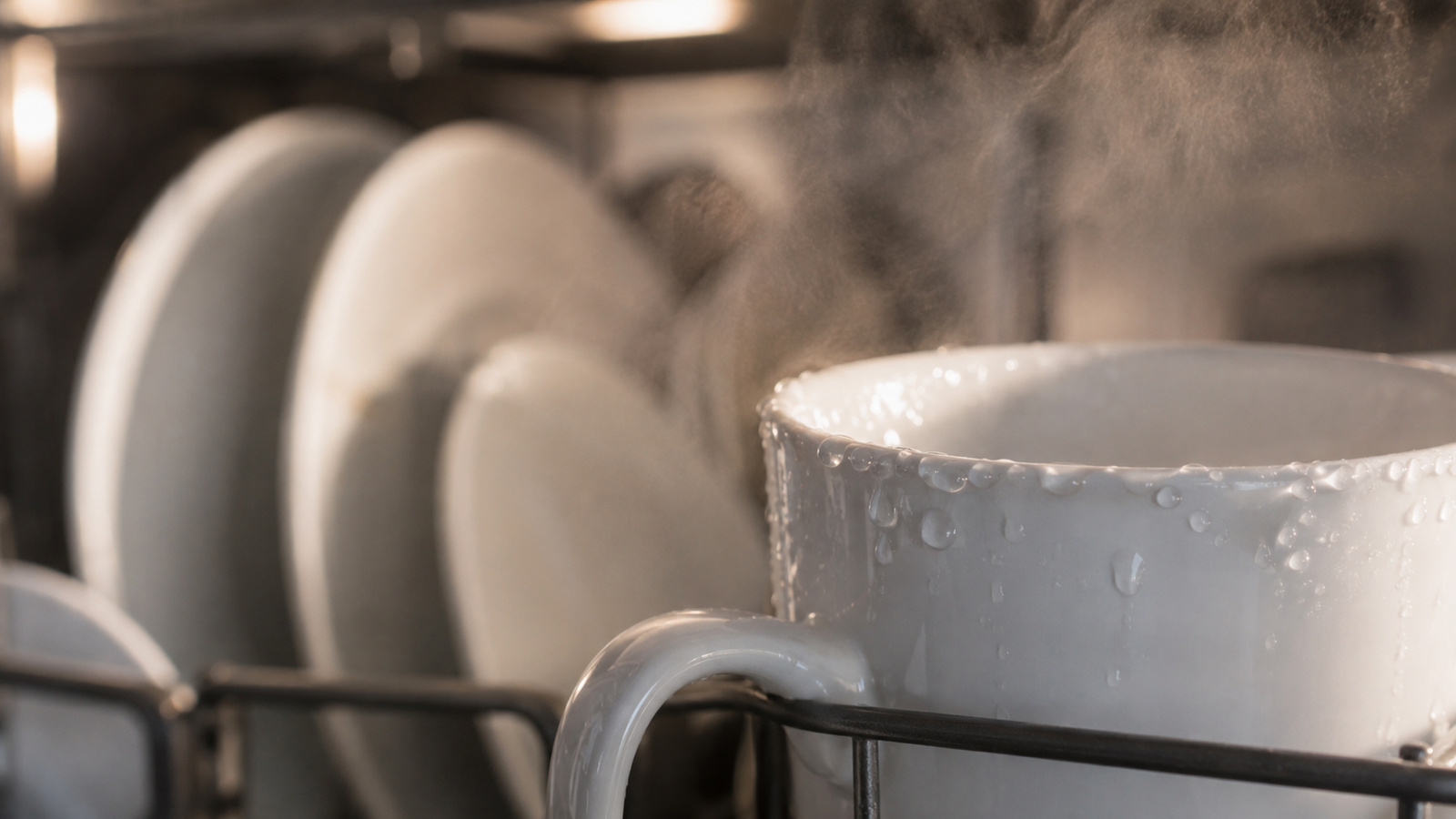
Opening a Viking dishwasher to find puddles in bowls and damp plastic lids is disappointing after a long cycle. Condensation drying on many Viking models depends on rinse aid, heat, and how items drain — not on a towel dry from a failed motor.
Independent repair shops still get called for “no dry” when the rinse-aid reservoir is empty or cups are nested upright. Fix those first, then judge whether the heating path needs testing.
Angle cups and bowls so water sheets off instead of pooling. Keep plastics on upper racks where residual heat helps, and avoid blocking the spray arms with oversized cutting boards.
Skip interrupting the cycle for a “peek.” Opening mid-dry dumps heat and leaves more moisture on cool surfaces.
| Wet pattern | Likely reason | Adjustment |
|---|---|---|
| Plastic always damp | Low thermal mass | Upper rack plus rinse aid |
| Puddles in mugs | Upright loading | Tilt openings downward |
| Every material wet | Empty rinse aid or eco dry | Refill and try a hotter dry option |
Fill the rinse-aid dispenser and raise the dosage one step if water spots and wetness continue. Softened rinse water sheets off glassware more cleanly on Viking stainless interiors.
Select a cycle with a stronger dry phase when you load plastics and wood-handled utensils. Ultra-eco programs trade drying performance for energy savings.
Safe to try
Leave to a technician
If glassware stays soaked after rinse aid, proper loading, and a hotter cycle — or if the interior never feels warm after wash — request independent Viking diagnosis of the heating and fan-assist path.
Also call when error codes appear during dry or when the door seal is torn and steam escapes the whole cycle.
Run one test load of only glass and ceramic with rinse aid on. If those dry but plastics do not, technique is the issue. If nothing dries, document the cycle name for the technician.
Viking dishwashers dry best when rinse aid, loading angles, and cycle choice cooperate. Correct those before assuming the heating system failed.
This article covers Viking Dishwasher Leaving Plastics with practical checks you can run before booking a technician.
Need help now? Visit our services page or contact us.
Official manuals and support notes are available on Viking Range owner support.
Remember: Viking Dishwasher Leaving Plastics is easier to resolve when you capture the model number and when Viking Dishwasher Leaving Plastics first appeared.
Write down the full model number before ordering parts. Board and sensor revisions can change which part number is correct.
A single power reset can clear a temporary fault, but repeated returns of the same code usually mean a physical cause remains.
Keep vents and filters clear between visits. Restricted airflow often mimics electrical or sensor failures.
If water, burning smells, or sparking are present, stop using the appliance and arrange a professional inspection.
Often yes. Pods clean; rinse aid improves sheeting and drying, especially on plastics.
On some models a brief crack after the beep helps, but interrupting mid-cycle usually hurts. Follow your Viking manual.
Mineral film can hold moisture and spots. Rinse aid and correct detergent dosing help; extreme hardness may need water treatment advice.
Uneven or yellow Viking cooktop flames often mean dirty ports or misaligned caps — know when supply problems need a pro.
Large Viking cavities and heavy accessories stretch preheat — learn normal ramp times versus a failing heat circuit.
Musty Viking dishwashers usually hide soil in the filter and gasket — clean those before chasing motor failures.
Share a few details and we’ll confirm an appointment. Prefer to talk? Call us and we’ll help right away.
Use the secure scheduler below to request your appointment.