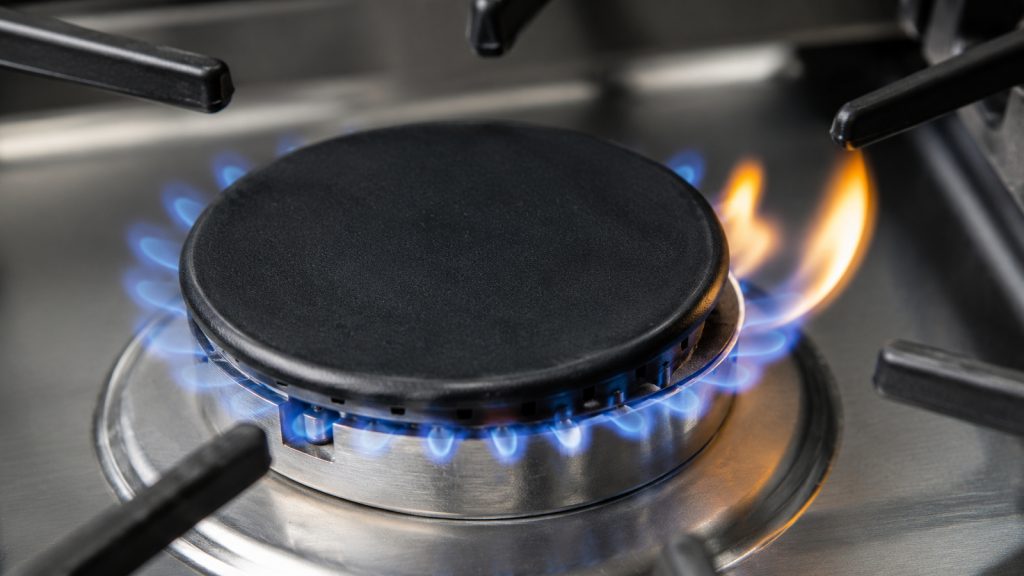
Viking Gas Cooktop Flames Turning Lazy or Yellow
Uneven or yellow Viking cooktop flames often mean dirty ports or misaligned caps — know when supply problems need a pro.
Large Viking cavities and heavy accessories stretch preheat — learn normal ramp times versus a failing heat circuit.

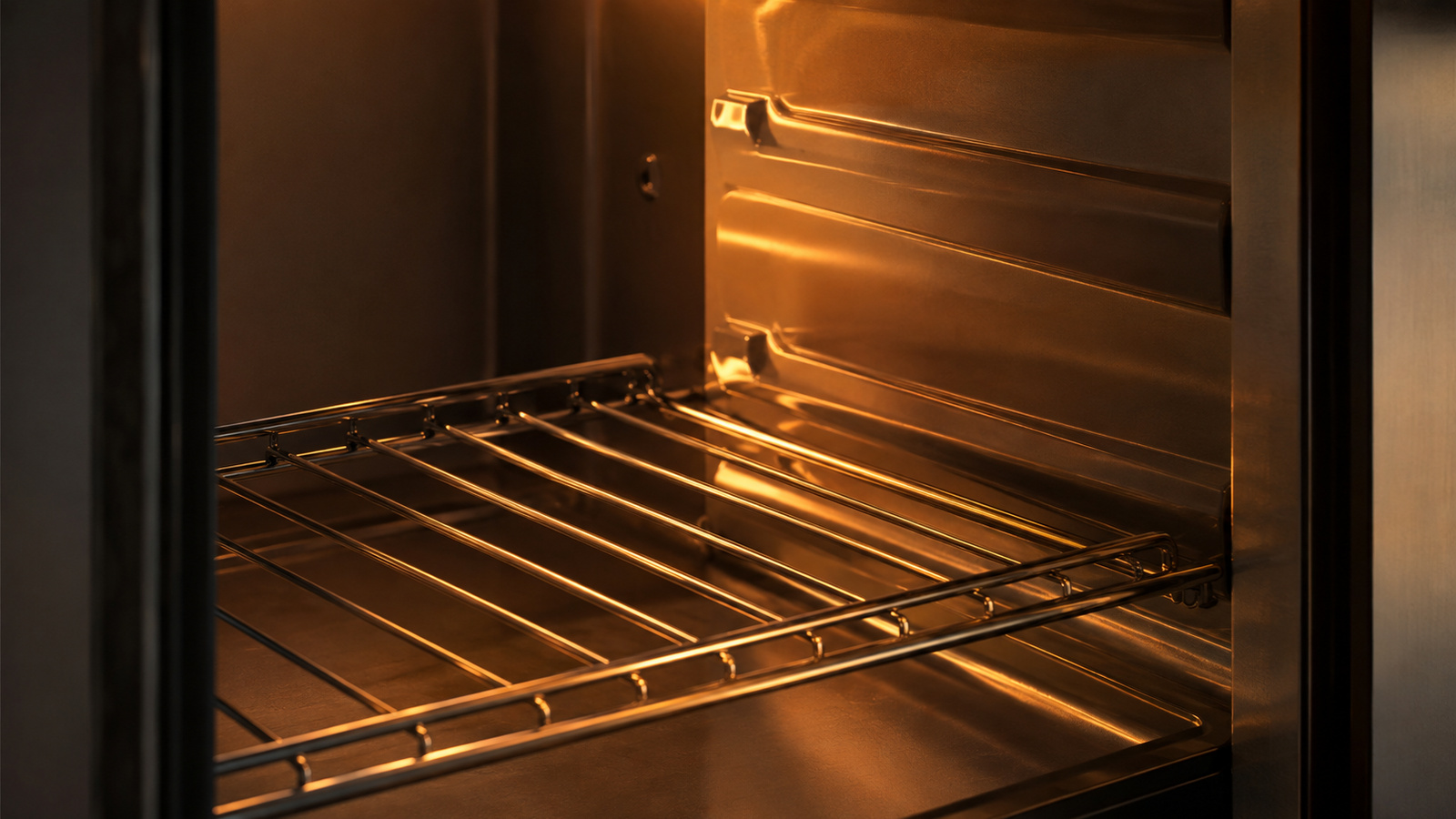
Viking ovens are bigger and often denser than compact apartments ranges, so the first preheat of the day can feel leisurely. Stone modes, multiple racks, and cold cast iron stretch the clock further.
Independent Viking techs still investigate when preheat times suddenly double or the ready light never arrives. Compare today’s behavior to your own baseline before assuming failure.
Use the preheat indicator, not a kitchen timer guess from a smaller oven you owned before. Opening the door to “check” dumps heat and restarts the climb.
Remove unused baking stones if you are only roasting vegetables. Extra thermal mass is great for pizza night and slow for empty preheats.
| Situation | Likely meaning | Response |
|---|---|---|
| First start on a cold morning | Normal mass ramp | Wait for ready signal |
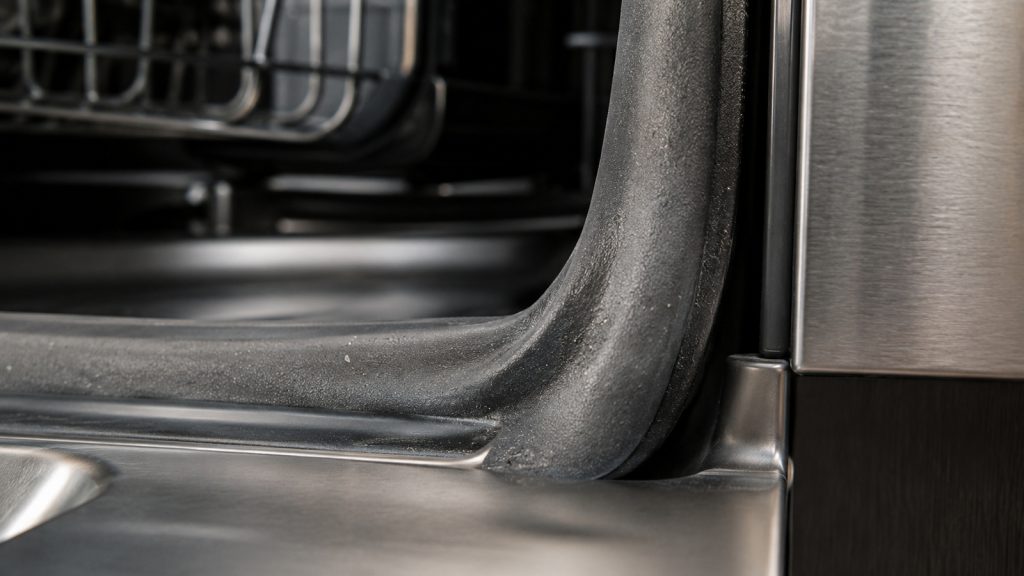
| Much slower than last month | Seal or element change | Compare notes; inspect gasket |
| Never reaches setpoint | Sensor or heat fault | Book testing |
Keep the door closed during ramp-up. Interior lights and windows exist so you can wait without peeking.
Some specialty modes intentionally limit how aggressively the oven climbs. Confirm you selected standard bake when you want fastest preheat.
Safe to try
Leave to a technician
Schedule independent Viking service if preheat never completes, error codes appear, or food consistently underbakes after the display claims readiness.
Share whether the slowdown followed a self-clean or a power event — both can precede sensor issues.
From a cold start to ready at 350°F with an empty oven, write down the minutes. That personal baseline makes “suddenly slow” objective for a technician.
Long Viking preheats are often physics, not failure. Use the indicator, manage thermal mass, and call repair when the ready state never comes.
This article covers Why Viking Ovens Feel with practical checks you can run before booking a technician.
Need help now? Visit our services page or contact us.
Official manuals and support notes are available on Viking Range owner support.
Remember: Why Viking Ovens Feel is easier to resolve when you capture the model number and when Why Viking Ovens Feel first appeared.
Write down the full model number before ordering parts. Board and sensor revisions can change which part number is correct.
A single power reset can clear a temporary fault, but repeated returns of the same code usually mean a physical cause remains.
Keep vents and filters clear between visits. Restricted airflow often mimics electrical or sensor failures.
If water, burning smells, or sparking are present, stop using the appliance and arrange a professional inspection.
Sometimes, depending on the model’s algorithm. Follow the manual rather than assuming.
Soil mainly affects broil performance; bake issues more often involve bake elements, sensors, or door leaks.
No. That wastes energy and heat-cycles components. Preheat when you need it.
Uneven or yellow Viking cooktop flames often mean dirty ports or misaligned caps — know when supply problems need a pro.
Musty Viking dishwashers usually hide soil in the filter and gasket — clean those before chasing motor failures.
Thick frost in a Viking freezer usually means humid air intrusion or airflow trouble — chip ice safely and know when defrost systems need…
Share a few details and we’ll confirm an appointment. Prefer to talk? Call us and we’ll help right away.
Use the secure scheduler below to request your appointment.