Viking Gas Cooktop Flames Turning Lazy or Yellow
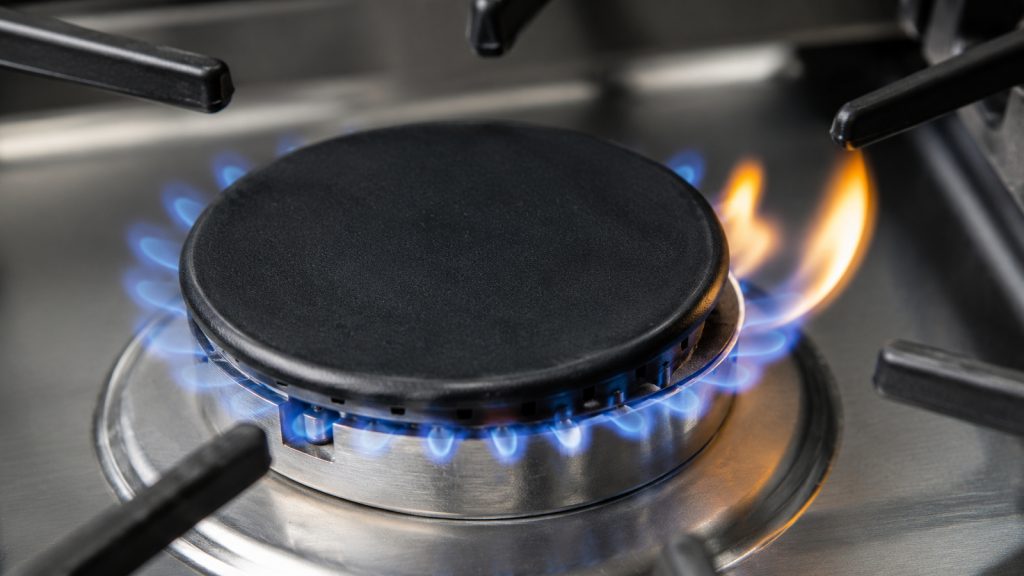
Uneven or yellow Viking cooktop flames often mean dirty ports or misaligned caps — know when supply problems need a pro.
Thick frost in a Viking freezer usually means humid air intrusion or airflow trouble — chip ice safely and know when defrost systems need repair.

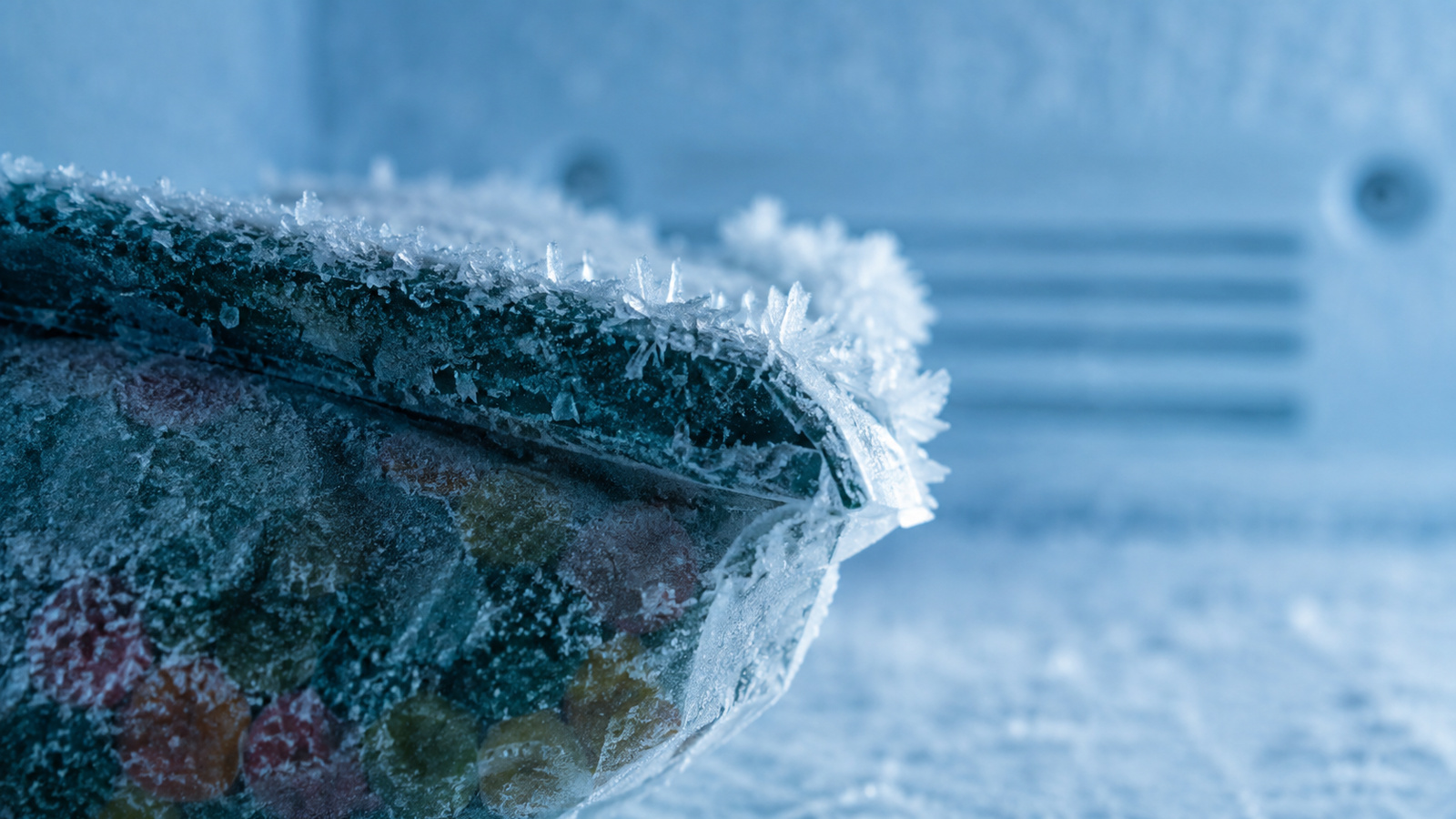
Frost that buries packages and seals shut drawers is more than cosmetic. On Viking freezers and freezer drawers, heavy ice often means the door is admitting moist air or that defrost is no longer keeping the evaporator clear.
Independent technicians handle heaters and sensors; owners clear vents, inspect gaskets, and avoid stabbing ice with knives that puncture liners.
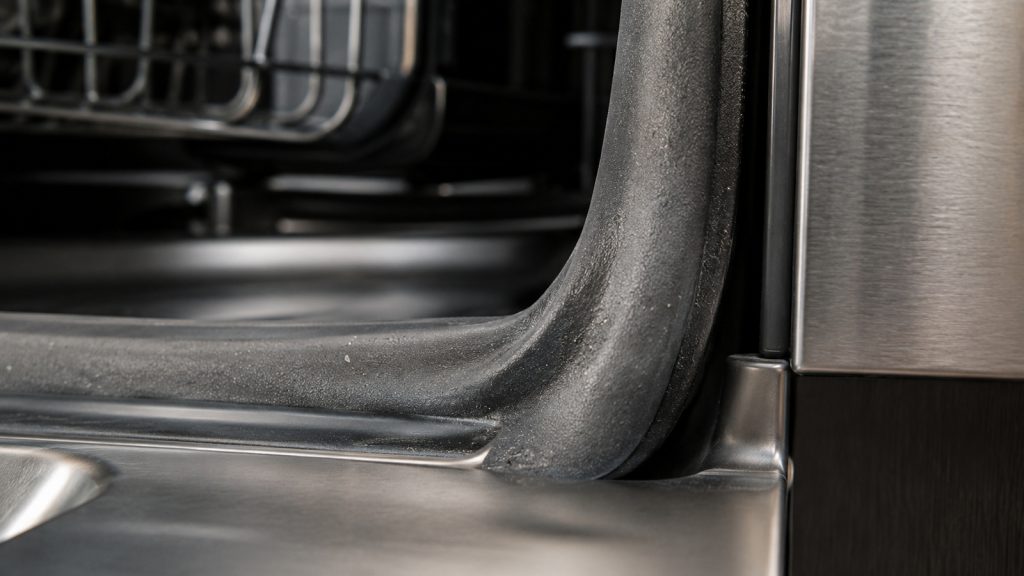
Check that the door or drawer closes fully without a cereal box blocking the path. Inspect the gasket for tears and clean sticky spots that hold it open a fraction of an inch.
Reduce long door-open inventory sessions. Moist kitchen air condenses quickly on cold evaporator surfaces.
| Frost location | Likely cause | Owner check |
|---|---|---|
| On package fronts | Door gap | Inspect gasket seal |
| Thick on rear wall | Airflow or defrost | Clear vents; note recurrence |
| Returns in days | Defrost system | Book diagnosis |
Remove food to coolers, then allow frost to soften with the door open or use only plastic scrapers. Never chip with metal tools or aim heat guns at plastic liners.
Once clear, wipe dry before restarting so meltwater does not refreeze into a skate rink on the floor panel.
Safe to try
Leave to a technician
If a carefully sealed freezer rebuilds heavy frost within days, schedule independent Viking service. Failed defrost heaters, thermostats, or drainage can create the same look as a door leak.
Mention whether the fresh-food section also warmed — combined symptoms change the diagnostic path.
Leave channels to the rear vents. Wall-to-wall frozen pizza boxes are a classic frost accelerator even on healthy systems.
Heavy Viking freezer frost is a moisture and airflow story until defrost testing says otherwise. Seal the door, clear vents gently, and call repair when ice races back.
This article covers Heavy Frost In A with practical checks you can run before booking a technician.
Need help now? Visit our services page or contact us.
Official manuals and support notes are available on Viking Range owner support.
Remember: Heavy Frost In A is easier to resolve when you capture the model number and when Heavy Frost In A first appeared.
Write down the full model number before ordering parts. Board and sensor revisions can change which part number is correct.
A single power reset can clear a temporary fault, but repeated returns of the same code usually mean a physical cause remains.
Keep vents and filters clear between visits. Restricted airflow often mimics electrical or sensor failures.
If water, burning smells, or sparking are present, stop using the appliance and arrange a professional inspection.
A light dusting can appear, but thick sheets that lock drawers shut are not normal long-term.
Low heat held far away is sometimes used carefully, but melting with the door open and towels is safer for plastics. Never overheat one spot.
Higher kitchen humidity loads every door opening with more moisture.
Uneven or yellow Viking cooktop flames often mean dirty ports or misaligned caps — know when supply problems need a pro.
Large Viking cavities and heavy accessories stretch preheat — learn normal ramp times versus a failing heat circuit.
Musty Viking dishwashers usually hide soil in the filter and gasket — clean those before chasing motor failures.
Share a few details and we’ll confirm an appointment. Prefer to talk? Call us and we’ll help right away.
Use the secure scheduler below to request your appointment.