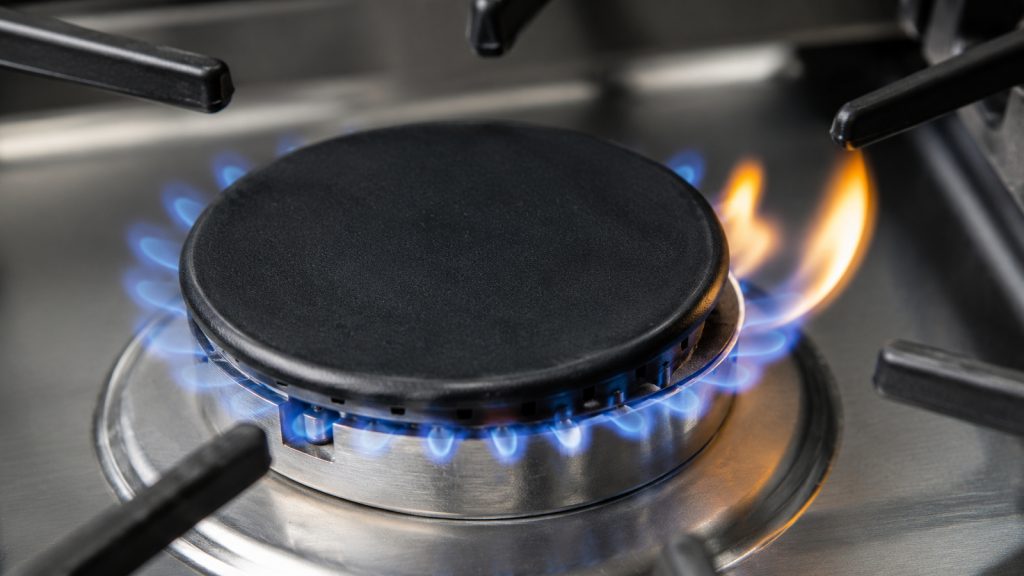
Viking Gas Cooktop Flames Turning Lazy or Yellow
Uneven or yellow Viking cooktop flames often mean dirty ports or misaligned caps — know when supply problems need a pro.
Soaking laundry after a wash often means imbalance, incomplete drain, or a pause — check those before blaming the motor.

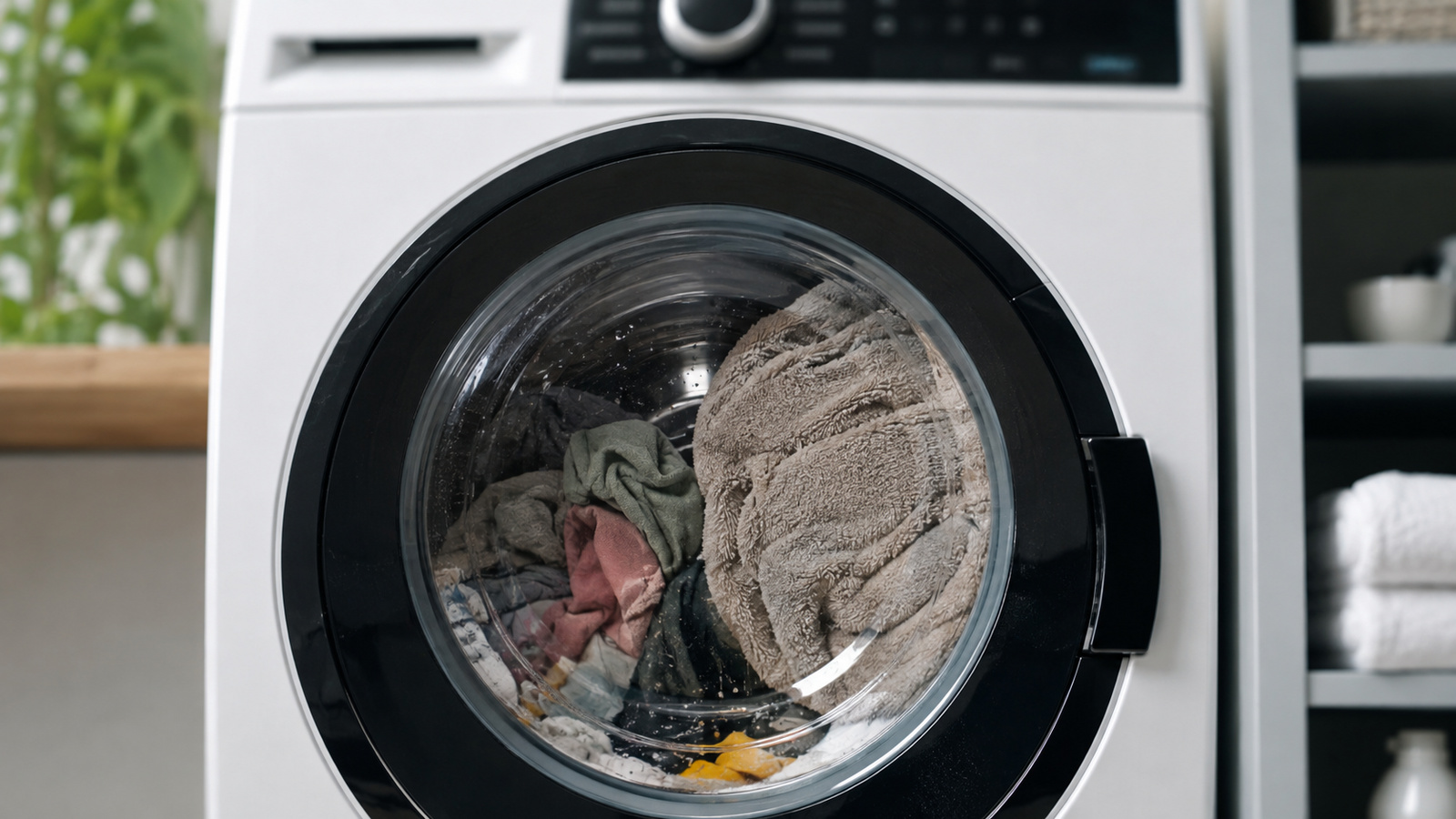
Clothes that leave the washer dripping wet usually mean the high-speed spin never happened or was cut short. Modern machines protect bearings and cabinets by refusing to spin an unbalanced or still-full drum.
Laundry pairs next to Viking kitchens see the same physics: redistribute the load, confirm drainage, then run one controlled spin. Independent techs appreciate those notes when a true drive fault remains.
Open the door when the lock allows, pull heavy towels apart, and mix large and small items. A single soaked bath mat against one side of the drum is a classic spin abort.
Remove a few items if the drum was packed to the rim. Overloading prevents the clothes from redistributing during the balance sense stage.
| Behavior | Likely trigger | Owner step |
|---|---|---|
| Thumping then stop | Unbalanced load | Redistribute and retry spin |
| Water still in drum | Drain not finished | Clean accessible filter path |
| Error during spin | Sensor or drive issue | Record code for service |
Many spin failures are drain failures in disguise. Check the accessible coin trap or drain filter per the manual and clear lint or a sock. Verify the standpipe is not overflowing.
Listen for the drain pump during a rinse-and-spin. Silence with a full tub means focus on drainage, not the motor belt.
Safe to try
Leave to a technician
If a balanced, drained load still will not reach spin — or you hear grinding from the tub area — stop. Bearings, clutch assemblies, and electronic speed control need proper diagnosis.
Burning smells during attempted spin are a hard stop: unplug and book repair.
Note whether the drum tumbles slowly, tries to accelerate then quits, or never moves. That timeline tells a technician whether balance logic or a drive component is suspect.
A washer that will not spin is often protecting itself from imbalance or retained water. Fix those safely, then call for drive or control diagnosis if soaking loads continue.
This article covers Viking Washer Ending On with practical checks you can run before booking a technician.
Need help now? Visit our services page or contact us.
Official manuals and support notes are available on Viking Range owner support.
Remember: Viking Washer Ending On is easier to resolve when you capture the model number and when Viking Washer Ending On first appeared.
Write down the full model number before ordering parts. Board and sensor revisions can change which part number is correct.
A single power reset can clear a temporary fault, but repeated returns of the same code usually mean a physical cause remains.
Keep vents and filters clear between visits. Restricted airflow often mimics electrical or sensor failures.
If water, burning smells, or sparking are present, stop using the appliance and arrange a professional inspection.
Heavy items clump and trip imbalance protection. Separate towels or add ballast pieces so the drum can balance.
It is hard on seals and odor. Drain safely or scoop if needed, then schedule service if the pump will not clear the tub.
Moving a filled washer alone risks injury and hose damage. Leave internal drive inspection to a technician.
Uneven or yellow Viking cooktop flames often mean dirty ports or misaligned caps — know when supply problems need a pro.
Large Viking cavities and heavy accessories stretch preheat — learn normal ramp times versus a failing heat circuit.
Musty Viking dishwashers usually hide soil in the filter and gasket — clean those before chasing motor failures.
Share a few details and we’ll confirm an appointment. Prefer to talk? Call us and we’ll help right away.
Use the secure scheduler below to request your appointment.