Viking Dryer Vent Habits That Protect Fabrics and the House
Lint screen discipline and clear exhaust paths cut dry times and reduce laundry-room fire risk.
Seal wipes, grille clearance, and steady setpoints keep a Viking wine cellar stable between professional visits.

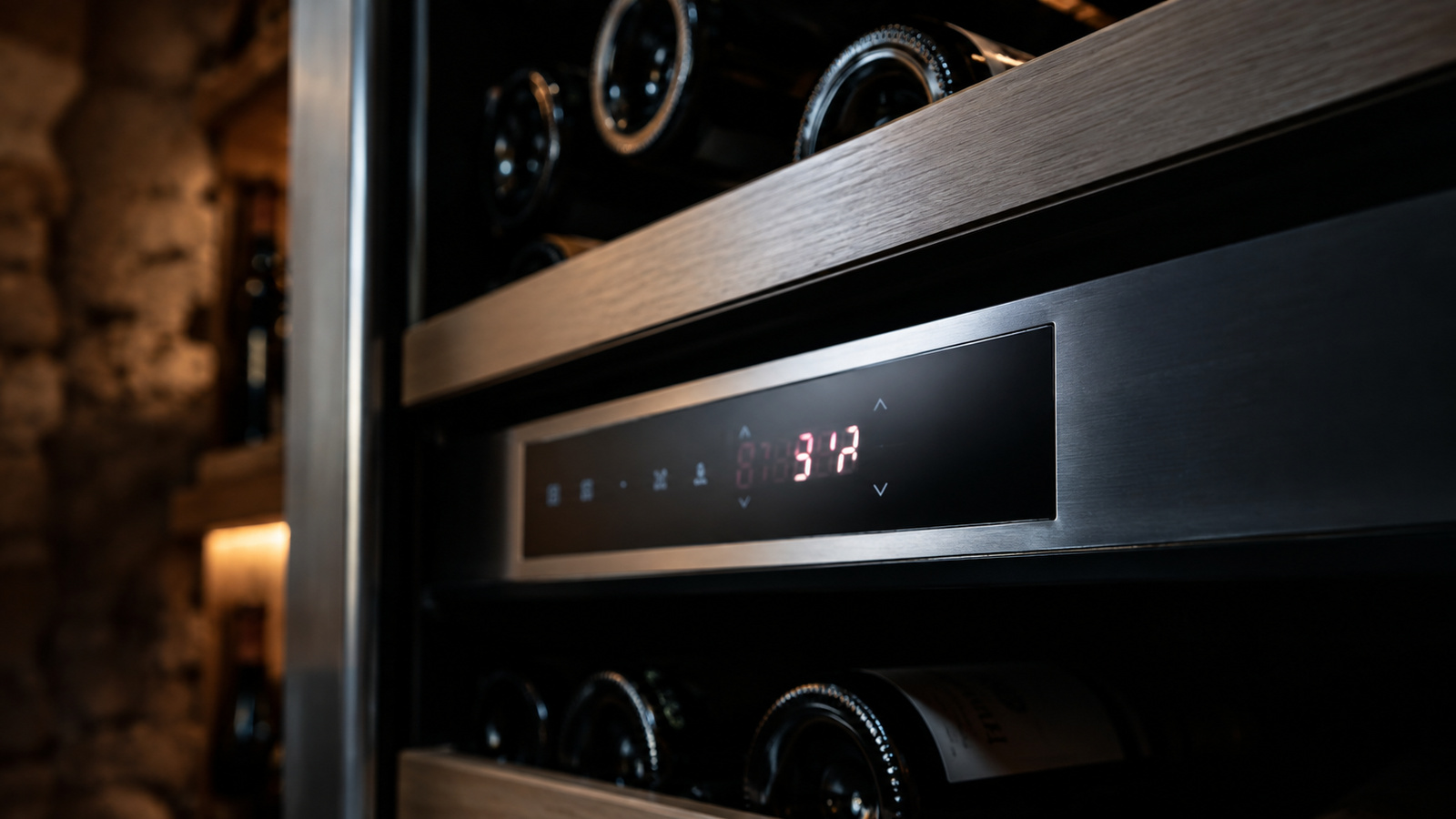
A Viking wine cellar or wine column is built to hold a narrow temperature band for long aging. Dust on the exterior grille, a nicked door gasket, or bottles jammed against interior vents quietly push that band warmer.
Independent Viking refrigeration specialists see fewer emergency “warm cellar” calls when owners treat grille and seal care as routine — the same seriousness you give a built-in fridge.
Keep the exterior ventilation grille free of dust and never store boxes against it. Wine cellars reject heat through that path; choking it forces longer run times and temperature drift.
Inside, leave the return vents visible. A tightly packed top shelf can starve circulation even when the compressor is healthy.
| Care task | Timing | Why bottles care |
|---|---|---|
| Wipe door gasket | Monthly | Limits warm kitchen air leaks |
| Vacuum exterior grille | Seasonally | Helps heat rejection |
| Glance at display setpoint | Weekly | Catches accidental bumps |
Plan what you need before opening so the door is not held wide during long searches. Each open exchange loads moisture and heat the cellar must remove.
Confirm the door closes on its own from a few inches ajar. A lagging hinge or misaligned panel is an owner-visible issue worth noting for service if it will not latch firmly.
Safe to try
Leave to a technician
Schedule independent Viking service if temperatures climb despite clear grilles, if frost patterns look abnormal, or if the unit runs constantly without reaching setpoint.
Bring notes on ambient kitchen temperature and how often the door opens during parties — context matters for wine storage diagnosis.
Organized bottles reduce door-open time. Less hunting means less thermal stress — a free performance upgrade alongside grille care.
Viking wine cellars stay trustworthy when airflow, seals, and setpoints get quiet monthly attention — and when sealed-system work stays with independent technicians.
This article covers Viking Wine Cellar Care: with practical checks you can run before booking a technician.
Need help now? Visit our services page or contact us.
Official manuals and support notes are available on Viking Range owner support.
Remember: Viking Wine Cellar Care: is easier to resolve when you capture the model number and when Viking Wine Cellar Care: first appeared.
Write down the full model number before ordering parts. Board and sensor revisions can change which part number is correct.
A single power reset can clear a temporary fault, but repeated returns of the same code usually mean a physical cause remains.
Keep vents and filters clear between visits. Restricted airflow often mimics electrical or sensor failures.
If water, burning smells, or sparking are present, stop using the appliance and arrange a professional inspection.
Follow your collection goals and the Viking guide; many owners use a compromise mid-fifties °F, but verify for your model’s range.
Yes. Restricted condenser airflow is a top cause of gradual warm drift in built-in wine storage.
Do not add appliances the manual does not approve. Humidity control is part of the designed system.
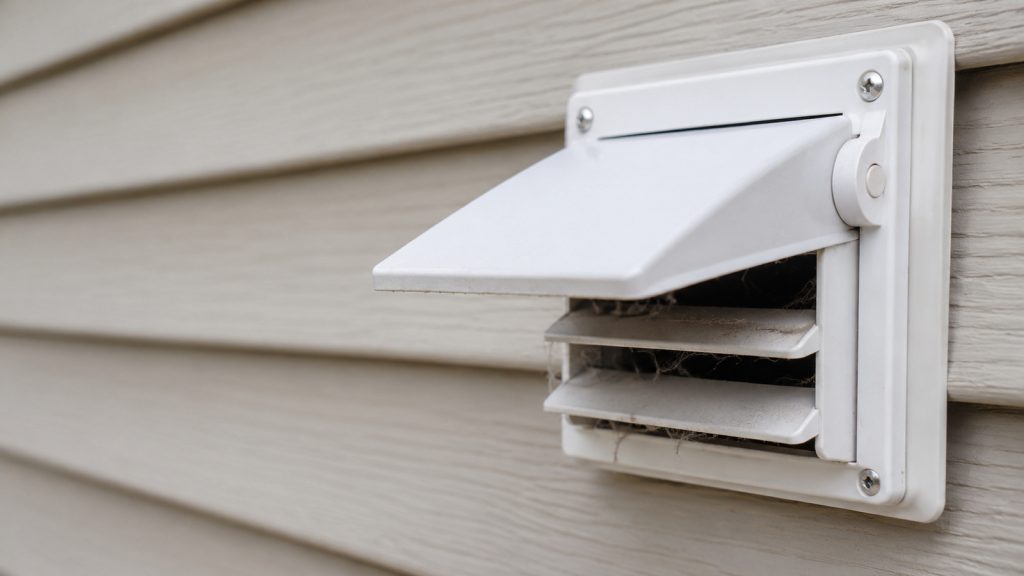
Lint screen discipline and clear exhaust paths cut dry times and reduce laundry-room fire risk.
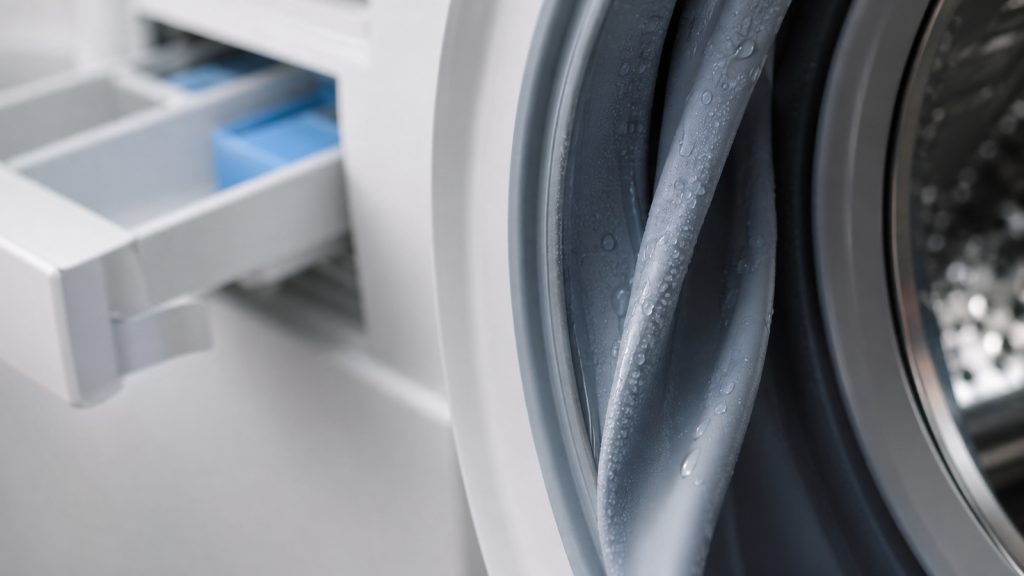
Front-load odor usually lives in the gasket folds and detergent drawer — simple drying habits beat harsh chemical overuse.
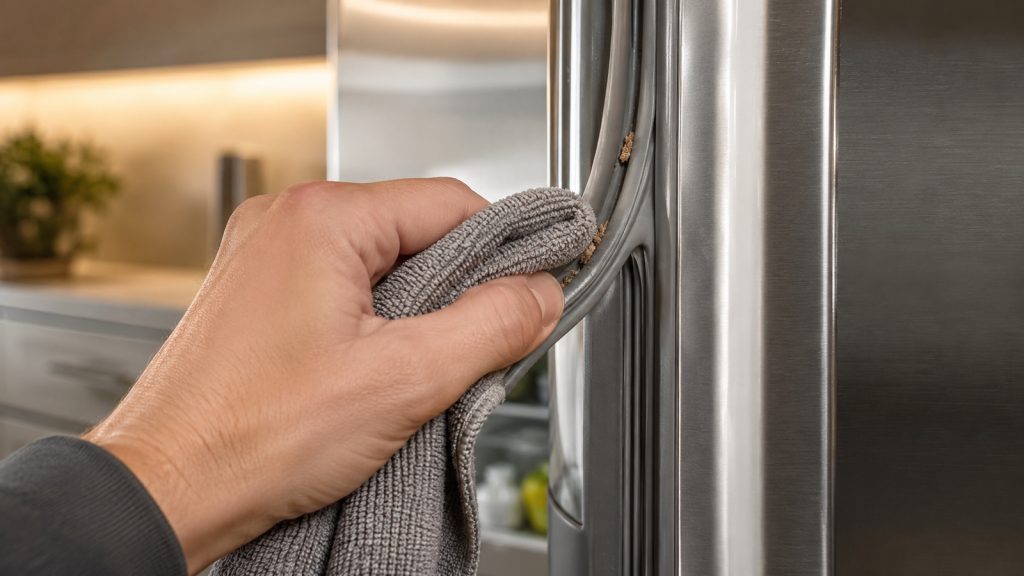
Clean accessible grilles and intact door seals help Viking built-in refrigerators run shorter, quieter cycles.
Share a few details and we’ll confirm an appointment. Prefer to talk? Call us and we’ll help right away.
Use the secure scheduler below to request your appointment.