Viking Refrigerator Seals and Clearance: Small Care, Steady Temps
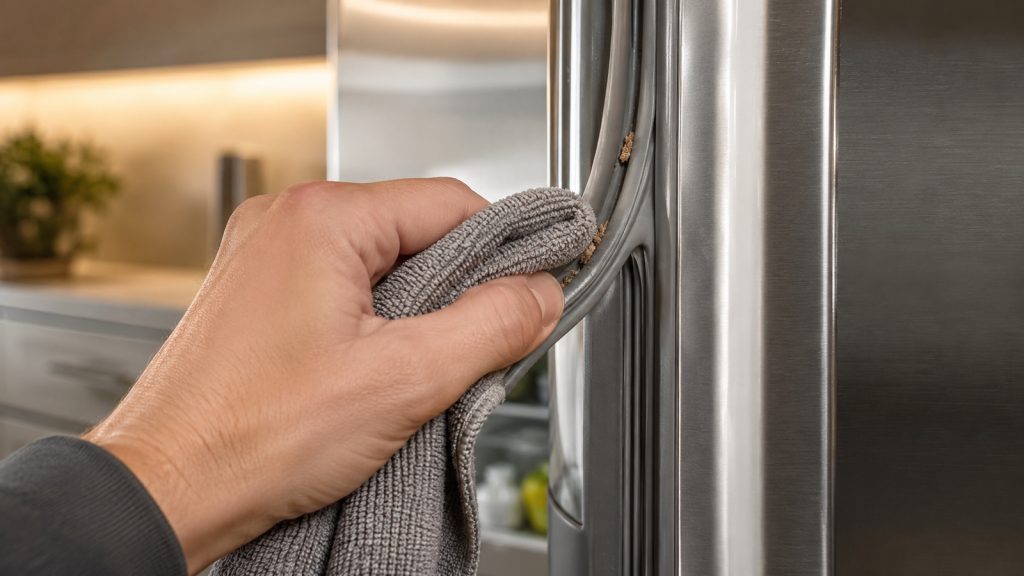
Clean accessible grilles and intact door seals help Viking built-in refrigerators run shorter, quieter cycles.
Lint screen discipline and clear exhaust paths cut dry times and reduce laundry-room fire risk.

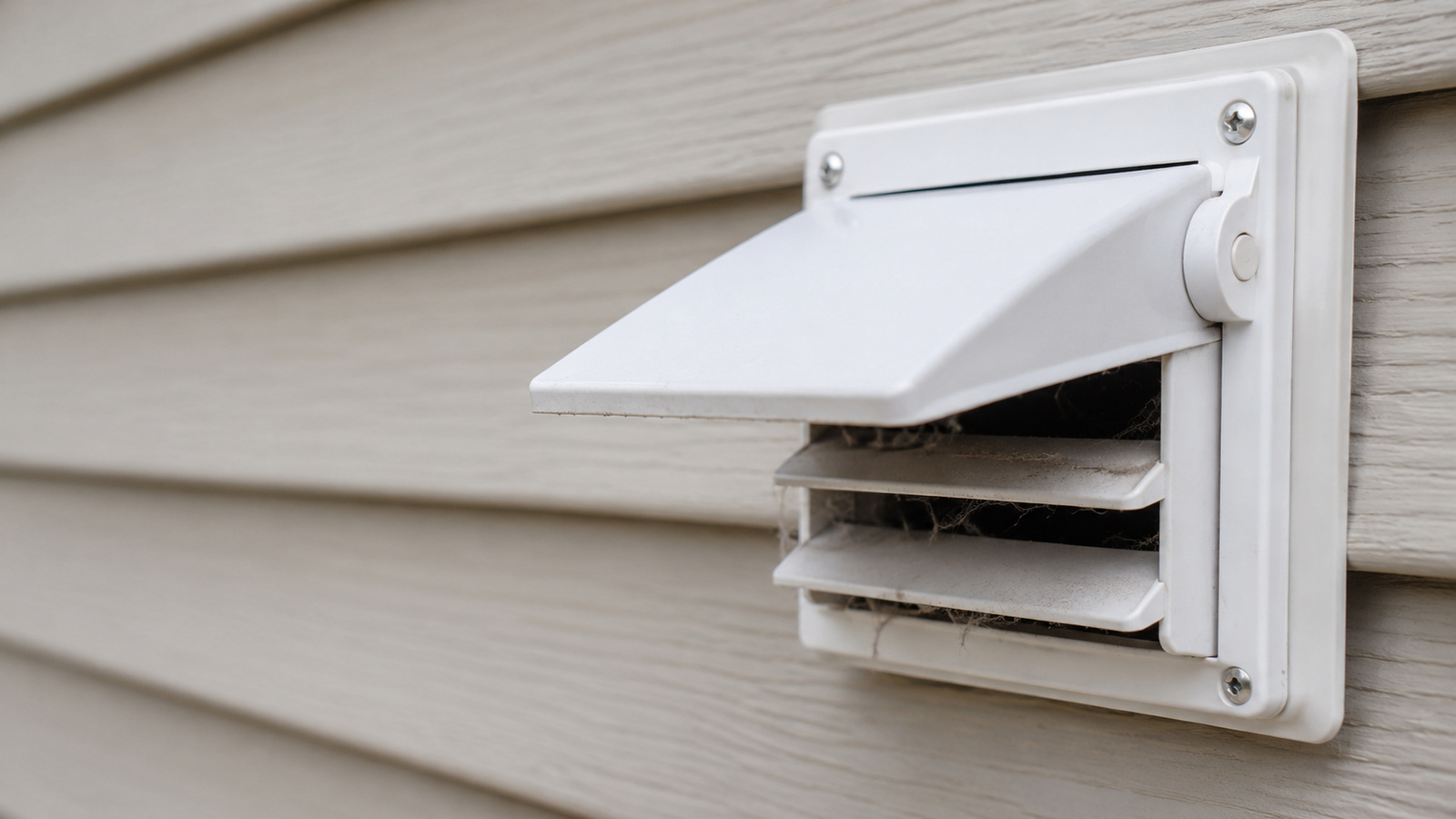
Dryer vents silently collect lint until heat has nowhere to go. That backlog lengthens cycles and raises the temperature of components that should stay cooler.
Whether the laundry room sits near a Viking kitchen or across the house, vent care is non-negotiable home safety. Owners handle screens and visible hoses; deep rigid-line cleaning belongs to pros.
Clean the screen before every load, not after you notice a smell. Residual film from dryer sheets can glaze the mesh — wash it periodically so air actually passes through.
Never run with a missing or damaged screen. Lint then travels straight into the cabinet and vent where you cannot see it.
| Warning | Owner response | Avoid |
|---|---|---|
| Screen coated in lint | Clean every cycle | Running “just once” dirty |
| Long dry times | Check hose and exterior flap | Crushing the vent to fit the slot |
| Hot metallic odor | Stop immediately | Another “test” load |
Pull the dryer straight out carefully if space allows and look for crushed foil or plastic hose. Transition ducting should be intact, not taped into a maze of elbows.
Outside, confirm the hood opens freely. Paint shut flaps and nest material are surprisingly common after spring.
Safe to try
Leave to a technician
Long runs inside walls, roof caps, and shared chases need brush systems and vacuum equipment. If drying is still slow after screen and hose care, hire a vent cleaning service and then appliance diagnosis if needed.
Any scorched smell means stop — do not “finish the towels” first.
Know which outdoor hood belongs to the dryer versus a bath fan. Checking the wrong flap wastes time and misses a blocked dryer line.
Vent care is efficiency and fire prevention in one habit. Keep screens clean, ducts open, and call for help at the first burnt-lint odor.
This article covers Viking Dryer Vent Habits with practical checks you can run before booking a technician.
Need help now? Visit our services page or contact us.
Official manuals and support notes are available on Viking Range owner support.
Remember: Viking Dryer Vent Habits is easier to resolve when you capture the model number and when Viking Dryer Vent Habits first appeared.
Write down the full model number before ordering parts. Board and sensor revisions can change which part number is correct.
A single power reset can clear a temporary fault, but repeated returns of the same code usually mean a physical cause remains.
Keep vents and filters clear between visits. Restricted airflow often mimics electrical or sensor failures.
If water, burning smells, or sparking are present, stop using the appliance and arrange a professional inspection.
Follow local code and manufacturer limits; longer runs need careful design and more frequent cleaning.
Many makers and codes prefer rigid or semi-rigid metal. Replace crushed plastic during the next service.
Grease-heavy outdoor Viking kitchens are separate systems, but keep their exhausts distinct from laundry vents.
Clean accessible grilles and intact door seals help Viking built-in refrigerators run shorter, quieter cycles.
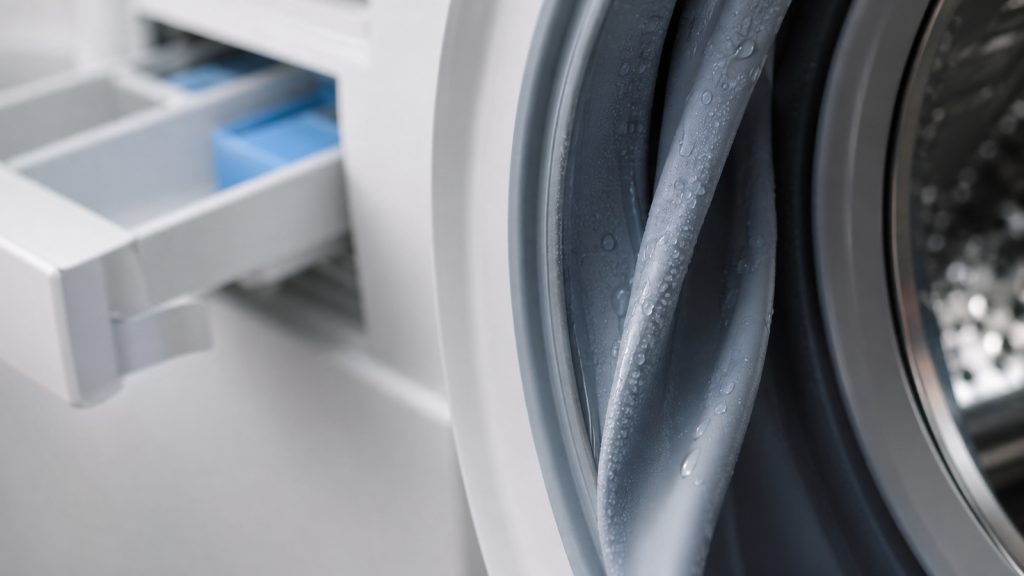
Front-load odor usually lives in the gasket folds and detergent drawer — simple drying habits beat harsh chemical overuse.
Seal wipes, grille clearance, and steady setpoints keep a Viking wine cellar stable between professional visits.
Share a few details and we’ll confirm an appointment. Prefer to talk? Call us and we’ll help right away.
Use the secure scheduler below to request your appointment.