Viking Dryer Tumbling Cold: Cycle Choice Versus True Heat Loss
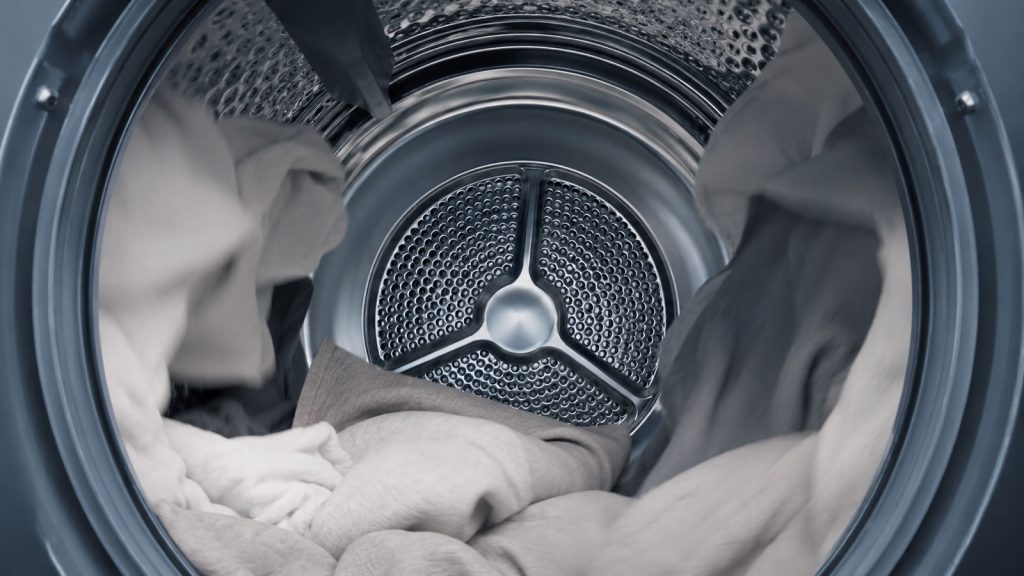
A tumbling dryer with cool air may be on an air-fluff cycle or choked vent — verify settings and airflow before heater replacement.
Front-load leaks often hide in the door boot fold or detergent drawer — inspect those before assuming a cracked tub.

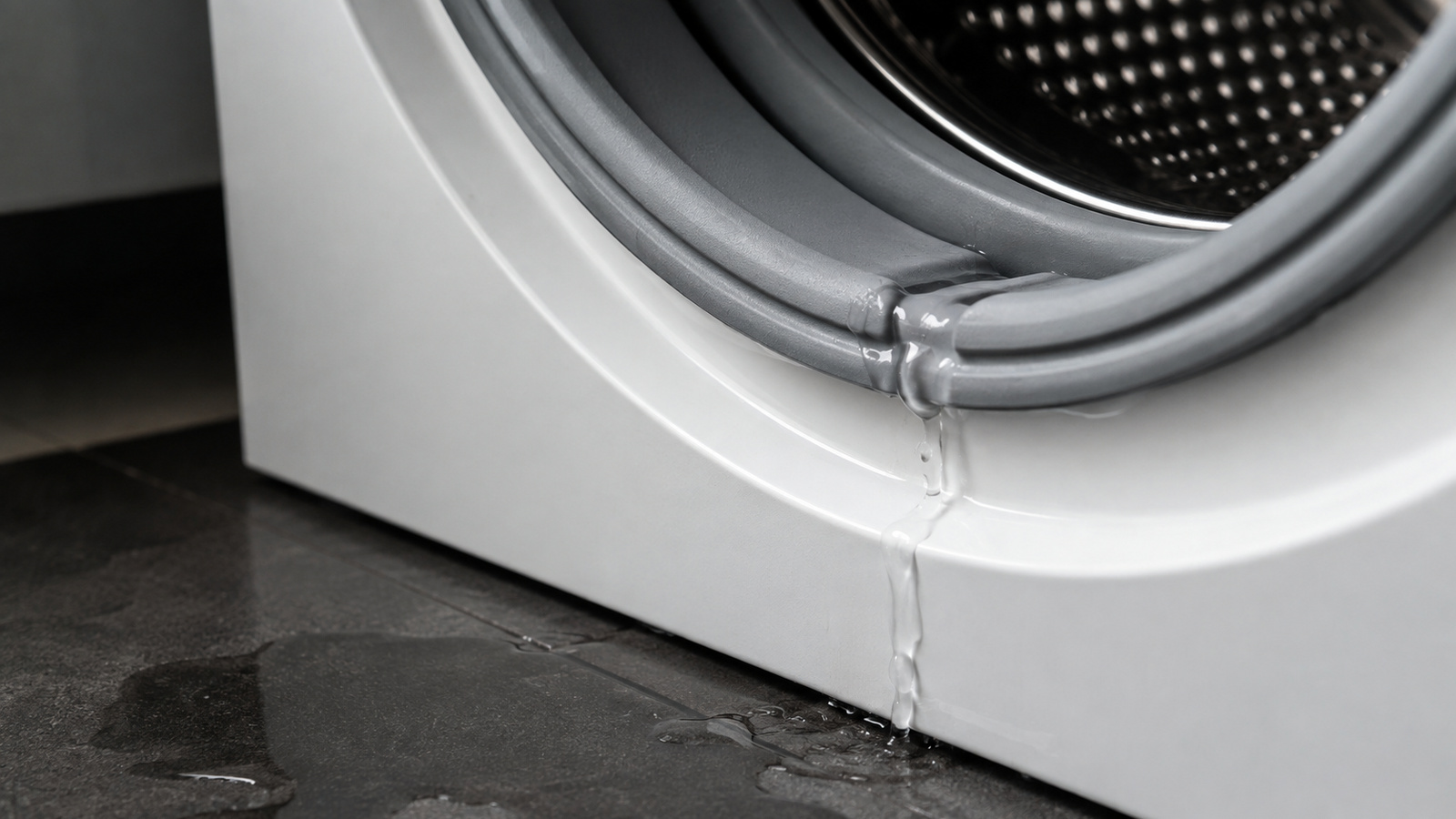
Water at the front of a washer during spin scares owners into thinking the tub failed. More often a sock is trapped in the door gasket, the dispenser is ajar, or detergent foam is escaping the boot.
Independent repair still replaces boots and hoses when needed. Safe owner inspection prevents unnecessary cabinet teardown.
Open the door and run fingers around the gasket folds looking for debris, tears, or clothing caught in the seal. Wipe sand and hair that keep the boot from seating.
Confirm the door glass is free of cracks. Hairline fractures can mist water during high-speed spin.
| Leak location | Likely cause | Check |
|---|---|---|
| Bottom of door | Debris in gasket fold | Inspect and wipe boot |
| Under dispenser | Drawer not closed | Reseat drawer fully |
| Under the cabinet | Drain hose or pump | Book service |
Too much detergent creates foam that sneaks past seals. Switch to HE detergent at correct dose and avoid overfilling the drum so clothes do not push the boot outward.
Make sure the detergent drawer latches flush; a slightly open drawer can spit water down the front panel.
Safe to try
Leave to a technician
If front leaks continue after boot cleaning and correct soap — or water appears under the machine — schedule service. Circulation hose clamps and tub seals need trained eyes.
Shut off supply valves if water flows continuously even when the washer is off.
Place a dry colored towel at the door sill during a spin-only test. Where it wets first tells you door boot versus higher dispenser leaks.
Front washer leaks are frequently gasket and detergent issues. Inspect the boot, fix dosing, then bring in repair when water still escapes.
This article covers Front Leak On A with practical checks you can run before booking a technician.
Need help now? Visit our services page or contact us.
Official manuals and support notes are available on Viking Range owner support.
Remember: Front Leak On A is easier to resolve when you capture the model number and when Front Leak On A first appeared.
Write down the full model number before ordering parts. Board and sensor revisions can change which part number is correct.
A single power reset can clear a temporary fault, but repeated returns of the same code usually mean a physical cause remains.
Keep vents and filters clear between visits. Restricted airflow often mimics electrical or sensor failures.
If water, burning smells, or sparking are present, stop using the appliance and arrange a professional inspection.
Residue can keep the boot sticky and partially open. Clean folds regularly.
Higher water motion and drum speed expose weak seals that idle rinses hide.
Misadjusted hinges can worsen leaks. Leave hinge work to a technician.
A tumbling dryer with cool air may be on an air-fluff cycle or choked vent — verify settings and airflow before heater replacement.
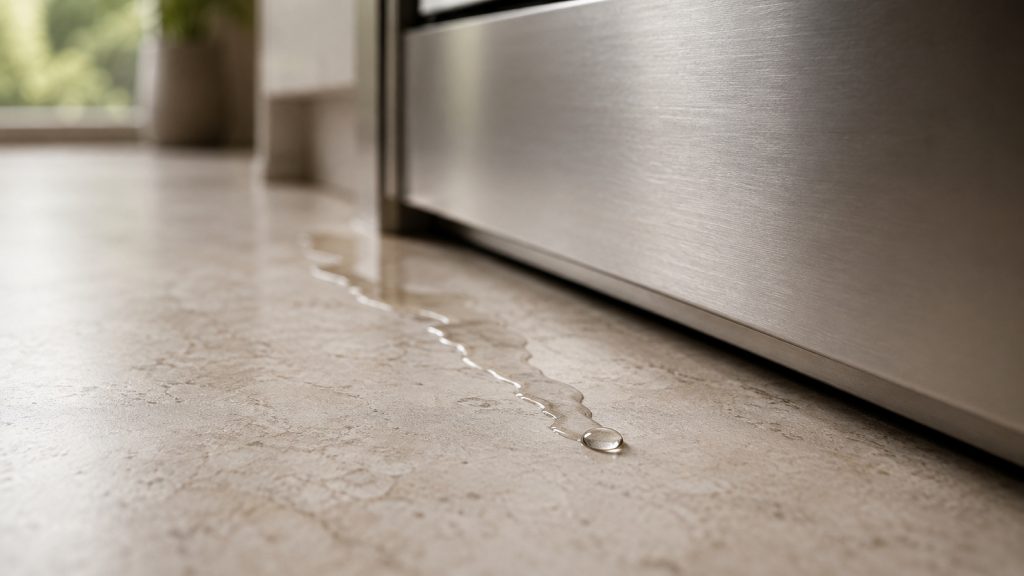
Front leaks on Viking dishwashers often come from suds, loading, or gasket debris — check those before assuming a tub crack.
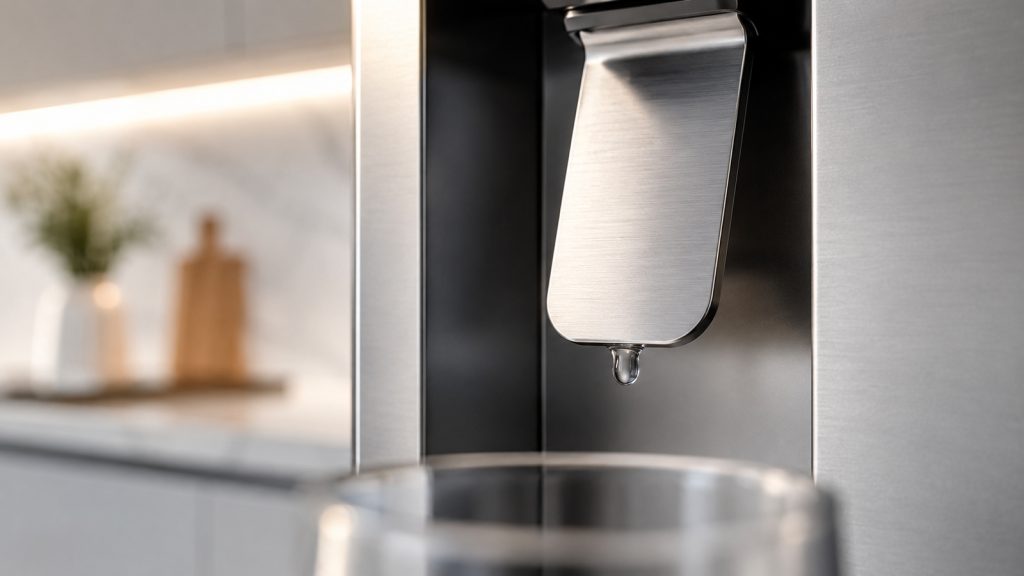
Slow Viking dispenser flow often follows filters and air pockets; continuous drips may need valve service.
Share a few details and we’ll confirm an appointment. Prefer to talk? Call us and we’ll help right away.
Use the secure scheduler below to request your appointment.