Viking Dryer Tumbling Cold: Cycle Choice Versus True Heat Loss
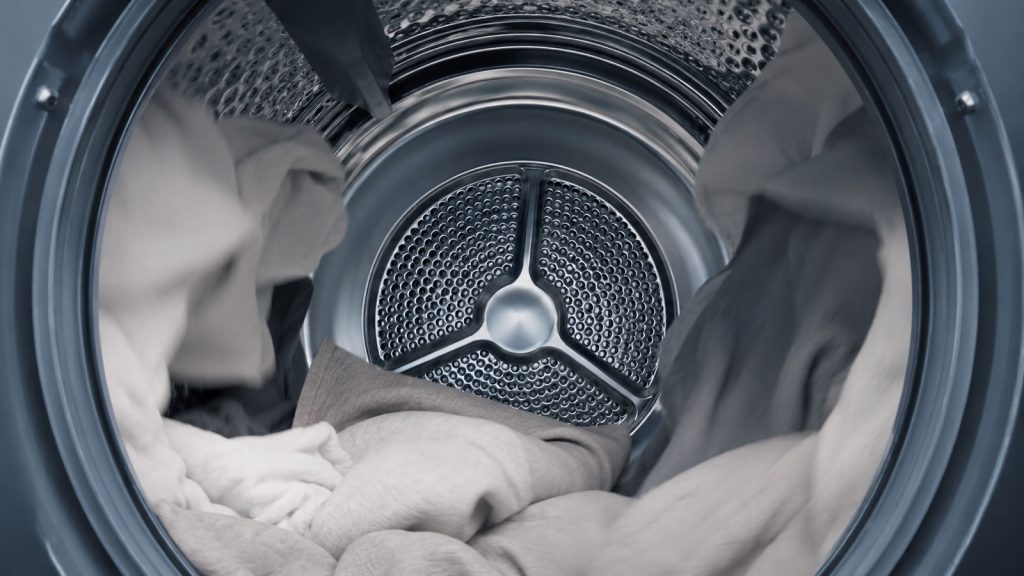
A tumbling dryer with cool air may be on an air-fluff cycle or choked vent — verify settings and airflow before heater replacement.
Front leaks on Viking dishwashers often come from suds, loading, or gasket debris — check those before assuming a tub crack.

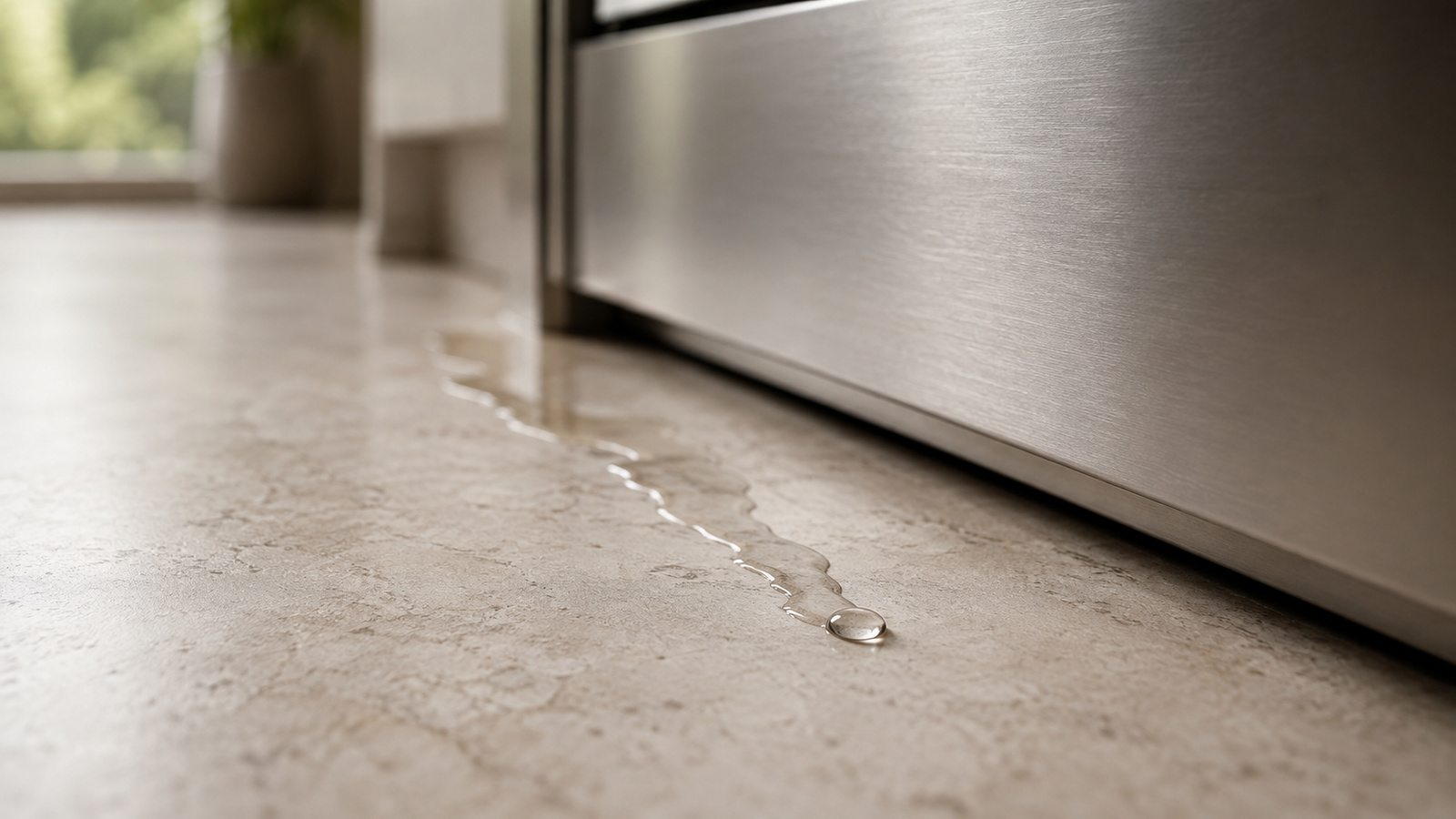
Water creeping out under a Viking dishwasher door during wash is alarming, but many leaks are oversudsing or a utensil holding the door off the gasket. True hose failures usually show under the cabinet rather than only at the door lip.
Independent Viking service handles pumps, seals, and hinge alignment. Owners should correct detergent dose and clear the gasket path first while protecting floors.
Use the detergent amount for your water hardness — more soap is not cleaner in these machines and can pour foam out the door. Confirm pods are Viking-compatible sizes.
Wipe the lower gasket and remove a spoon or platter handle that prevents full latch engagement.
| When water appears | Likely cause | Safe check |
|---|---|---|
| Mid-wash at door | Oversuds or blocked latch | Reduce detergent; clear door path |
| Along bottom seal | Gasket debris | Wipe seal thoroughly |
| Under cabinet only | Hose or pump | Stop; book diagnosis |
Lay towels and run a short rinse after corrections. Watch the front corners rather than walking away for an hour.
Do not open side panels to “peek at hoses.” Water and electricity share that space.
Safe to try
Leave to a technician
Book independent Viking repair if water returns with correct soap and a clean gasket, if you find water at the baseboard, or if error codes reference flood sensors.
Tripped float switches sometimes leave the unit refusing to fill — mention that behavior when you call.
A phone photo of whether water exits the door corners versus the kickplate center helps the technician bring door seals versus hoses.
Door-front Viking dishwasher leaks are often soap and seal stories. Correct those safely; call independent repair for under-cabinet water and repeat offenders.
This article covers Water At The Viking with practical checks you can run before booking a technician.
Need help now? Visit our services page or contact us.
Official manuals and support notes are available on Viking Range owner support.
Remember: Water At The Viking is easier to resolve when you capture the model number and when Water At The Viking first appeared.
Write down the full model number before ordering parts. Board and sensor revisions can change which part number is correct.
A single power reset can clear a temporary fault, but repeated returns of the same code usually mean a physical cause remains.
Keep vents and filters clear between visits. Restricted airflow often mimics electrical or sensor failures.
If water, burning smells, or sparking are present, stop using the appliance and arrange a professional inspection.
Overfilled rinse aid can drip inside, but true floor water still needs investigation.
Formula and dose changes create suds. Return to the recommended product and amount.
No. Water near electrical parts and finished floors warrants stopping and diagnosing.
A tumbling dryer with cool air may be on an air-fluff cycle or choked vent — verify settings and airflow before heater replacement.
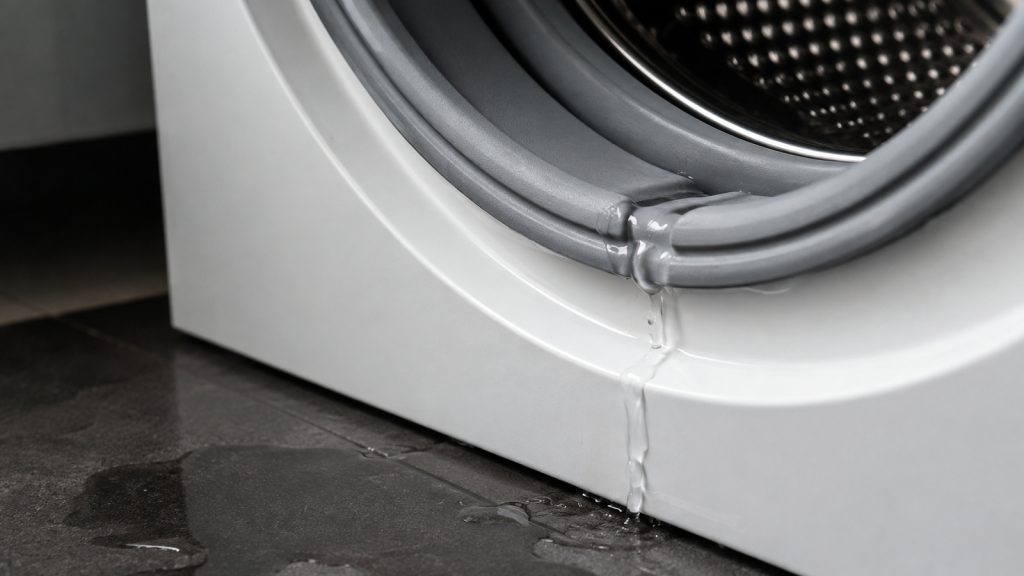
Front-load leaks often hide in the door boot fold or detergent drawer — inspect those before assuming a cracked tub.
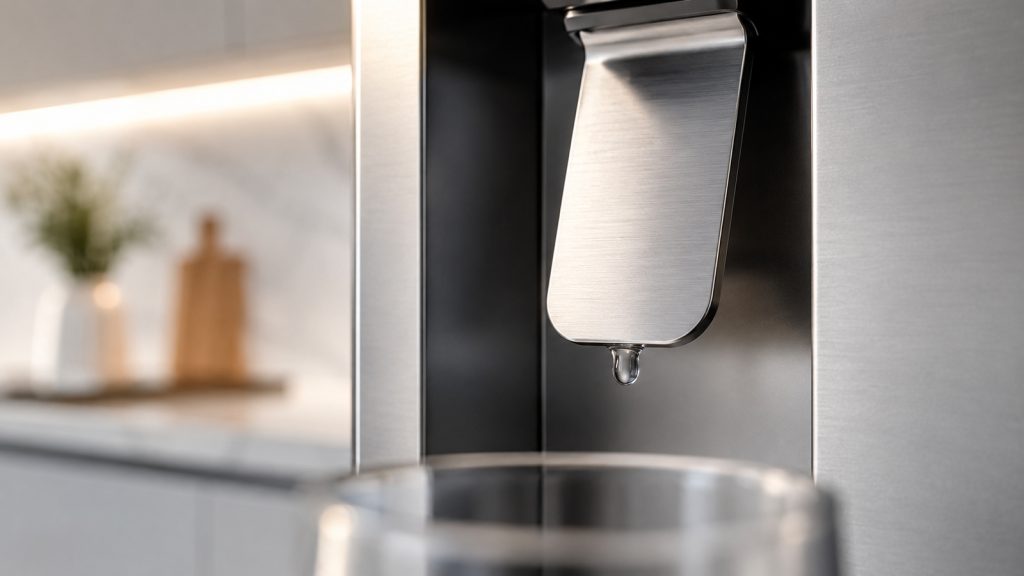
Slow Viking dispenser flow often follows filters and air pockets; continuous drips may need valve service.
Share a few details and we’ll confirm an appointment. Prefer to talk? Call us and we’ll help right away.
Use the secure scheduler below to request your appointment.