Viking Gas Cooktop Flames Turning Lazy or Yellow
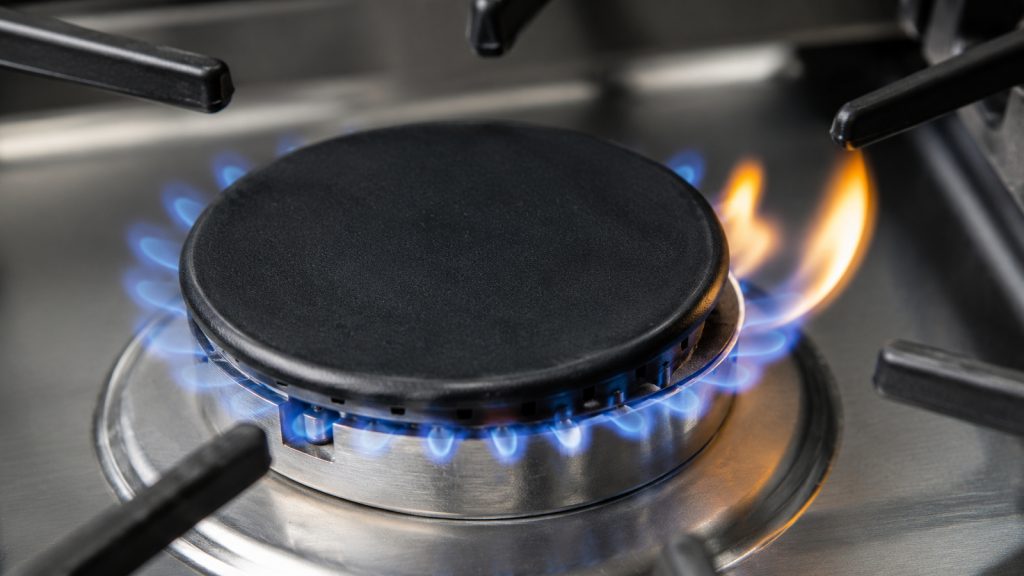
Uneven or yellow Viking cooktop flames often mean dirty ports or misaligned caps — know when supply problems need a pro.
Hot spots in a Viking oven can be rack placement and airflow — or a sensor and element problem that needs professional testing.

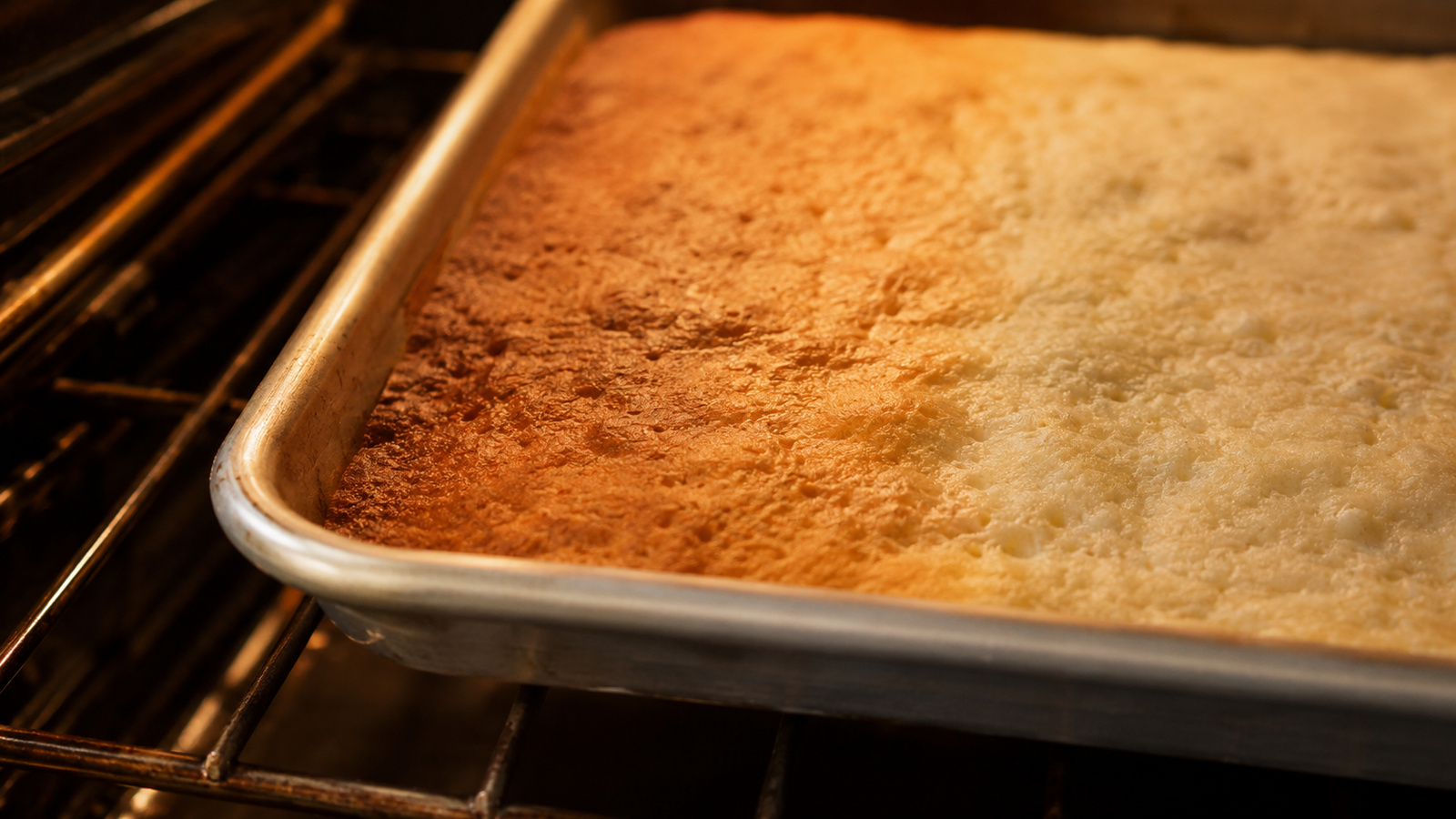
One side of a sheet tray browning while the other stays pale is a common Viking range complaint in serious home kitchens. Professional-style cavities move a lot of air; crowding pans or skipping preheat can mimic a failing element.
Independent Viking technicians still test sensors and bake elements when uneven results persist after technique fixes. Start with how you load the oven, then decide whether temperature verification is needed.
Use a single centered tray on the middle rack for a comparison bake. Avoid foil that blankets the entire rack and blocks circulation, especially in convection modes.
Preheat until the Viking indicator confirms readiness. Loading a cold stone or multiple cast-iron pans at once changes how heat distributes during the first half of the bake.
| Result | Likely influence | Try this |
|---|---|---|
| Front browns first | Door opened often | Keep door closed longer |
| Edges dark, center pale | Crowded pans | Bake one sheet at a time |
| Same corner always pale | Possible element or sensor | Book temperature diagnosis |
Convection and conventional bake are not interchangeable on Viking ranges. Recipes written for still air can over-brown on convection unless temperature or time is adjusted per the manual.
Move delicate pastries away from the floor element and keep pizza stones on the rack the guide recommends. Wrong rack height alone creates “uneven” stories.
Safe to try
Leave to a technician
If an oven thermometer through the glass (without blocking vents) shows a large gap from setpoint after a full preheat, or one side of every tray fails regardless of rack, schedule independent Viking service.
Intermittent heat — fine one day, raw the next — also deserves board and sensor testing rather than more recipe experiments.
Share mode, rack position, pan type, and whether the problem is new after a self-clean. Those details separate technique from a failing bake circuit.
Uneven Viking oven results often start with airflow and mode choice. Correct loading first; call independent repair when temperature errors persist across careful tests.
This article covers Hot Spots In A with practical checks you can run before booking a technician.
Need help now? Visit our services page or contact us.
Official manuals and support notes are available on Viking Range owner support.
Remember: Hot Spots In A is easier to resolve when you capture the model number and when Hot Spots In A first appeared.
Write down the full model number before ordering parts. Board and sensor revisions can change which part number is correct.
A single power reset can clear a temporary fault, but repeated returns of the same code usually mean a physical cause remains.
Keep vents and filters clear between visits. Restricted airflow often mimics electrical or sensor failures.
If water, burning smells, or sparking are present, stop using the appliance and arrange a professional inspection.
No. Use convection when the recipe or manual supports it; otherwise stick to conventional bake for even results.
Soil can affect radiant heat, but wipe only when cool and never flex the element. Persistent issues need testing.
It is a rough check only. Technicians use calibrated instruments and electrical tests for final diagnosis.
Uneven or yellow Viking cooktop flames often mean dirty ports or misaligned caps — know when supply problems need a pro.
Large Viking cavities and heavy accessories stretch preheat — learn normal ramp times versus a failing heat circuit.
Musty Viking dishwashers usually hide soil in the filter and gasket — clean those before chasing motor failures.
Share a few details and we’ll confirm an appointment. Prefer to talk? Call us and we’ll help right away.
Use the secure scheduler below to request your appointment.