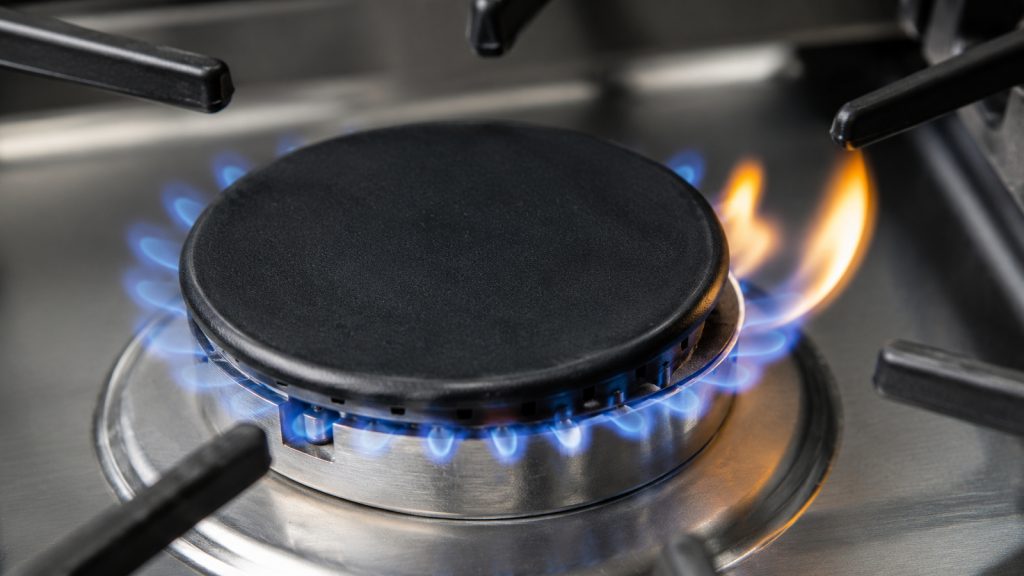
Viking Gas Cooktop Flames Turning Lazy or Yellow
Uneven or yellow Viking cooktop flames often mean dirty ports or misaligned caps — know when supply problems need a pro.
Long dryer cycles almost always start with lint and vent restriction — clear airflow before assuming the heater died.

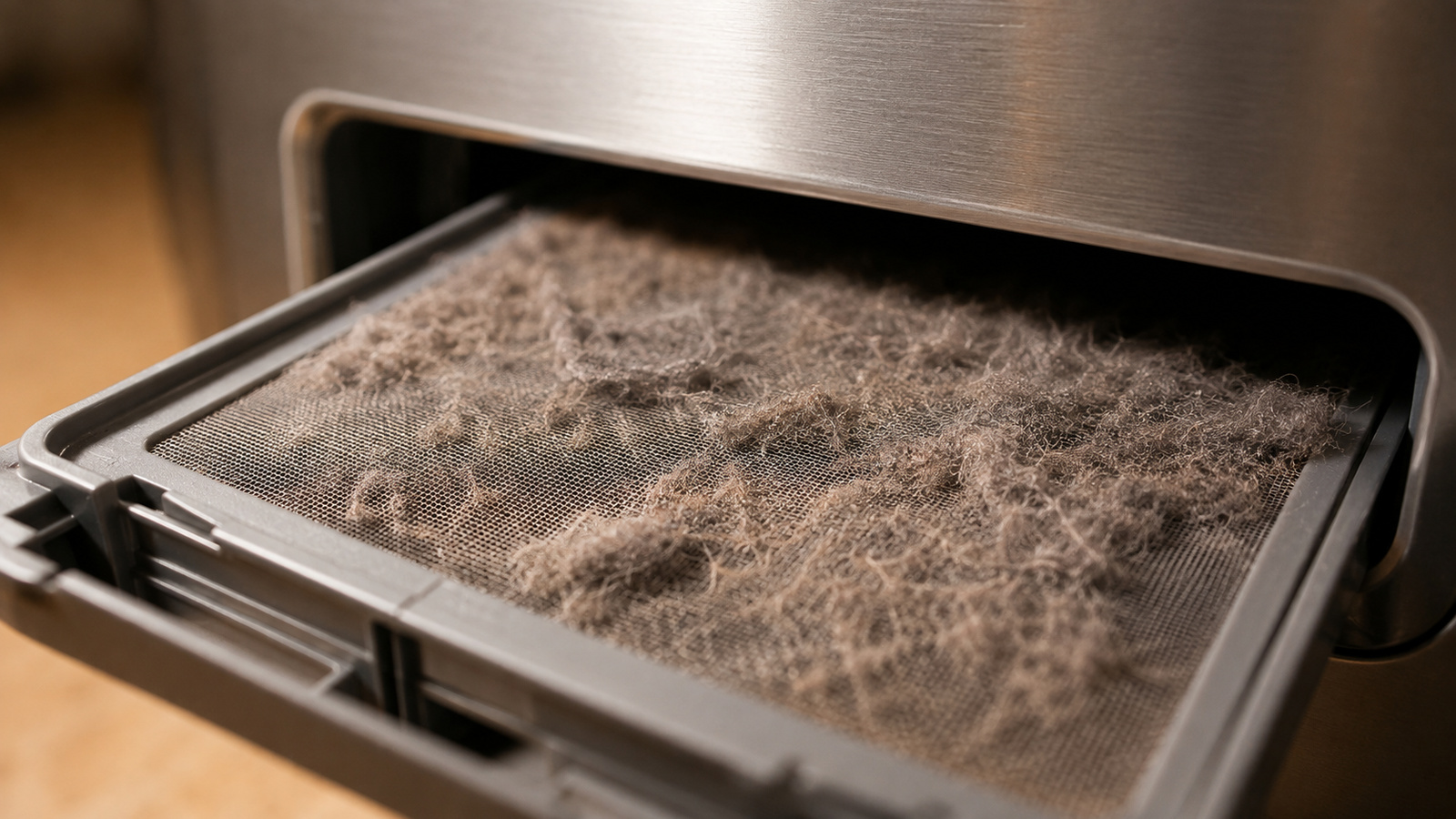
When towels need two full cycles, the dryer is working against trapped moisture rather than simply “getting old.” Restricted airflow makes clothes feel hot while water stays in the fabric — a fire-risk pattern as much as a convenience problem.
Homes with Viking kitchens and laundry rooms nearby share the same vent physics. Clean the screen, inspect the hose you can see, and watch the exterior flap before booking heater diagnosis.
Pull the lint screen and remove the sheet completely. A thin film of fabric softener residue can clog mesh even when it looks “mostly clean” — wash the screen with mild soap occasionally if drying times creep up.
Leave space in the drum so air can tumble through the load. Packed wet jeans trap moisture no heater can remove quickly.
| Sign | Airflow story | Safe check |
|---|---|---|
| Two cycles for towels | Lint or crushed hose | Clean screen; inspect visible vent |
| Clothes scorching hot | Exhaust backed up | Check exterior flap movement |
| Burning odor | Lint on heater path | Stop use and call service |
Look behind the dryer for a crushed flexible hose or a sharp bend against the wall. Straighten gently; replace crushed foil with proper transition ducting when a technician visits if needed.
Outside, confirm the termination flap opens when the dryer runs. Birds’ nests and lint pillows at the exit are common after seasons of neglect.
Safe to try
Leave to a technician
If the screen is clean, the hose is open, and cycles are still endless — or heat disappears mid-cycle — schedule service. Thermostats, heating elements, and deeply clogged rigid lines need proper tools.
Never keep running a dryer that smells like hot lint. That is a household fire conversation, not a patience test.
Time a mixed cotton load after cleaning the screen and checking the flap. Bring that before-and-after timing to the technician so they know the restriction was already addressed.
Slow drying is an airflow problem until proven otherwise. Clear lint and vents first, then bring in repair when heat or exhaust still fails.
This article covers Viking Dryer Cycles Dragging with practical checks you can run before booking a technician.
Need help now? Visit our services page or contact us.
Official manuals and support notes are available on Viking Range owner support.
Remember: Viking Dryer Cycles Dragging is easier to resolve when you capture the model number and when Viking Dryer Cycles Dragging first appeared.
Write down the full model number before ordering parts. Board and sensor revisions can change which part number is correct.
A single power reset can clear a temporary fault, but repeated returns of the same code usually mean a physical cause remains.
Keep vents and filters clear between visits. Restricted airflow often mimics electrical or sensor failures.
If water, burning smells, or sparking are present, stop using the appliance and arrange a professional inspection.
Many homes need a professional vent cleaning annually; pet hair and long runs may need it sooner.
Not directly, but shared utility rooms can hide crushed ducts behind appliances. Check each vent path separately.
Heat is present but moist air cannot leave. That pattern screams restriction, not a cold heater.
Uneven or yellow Viking cooktop flames often mean dirty ports or misaligned caps — know when supply problems need a pro.
Large Viking cavities and heavy accessories stretch preheat — learn normal ramp times versus a failing heat circuit.
Musty Viking dishwashers usually hide soil in the filter and gasket — clean those before chasing motor failures.
Share a few details and we’ll confirm an appointment. Prefer to talk? Call us and we’ll help right away.
Use the secure scheduler below to request your appointment.