Viking Microwave Arcing or Sparking: What to Stop Using Immediately
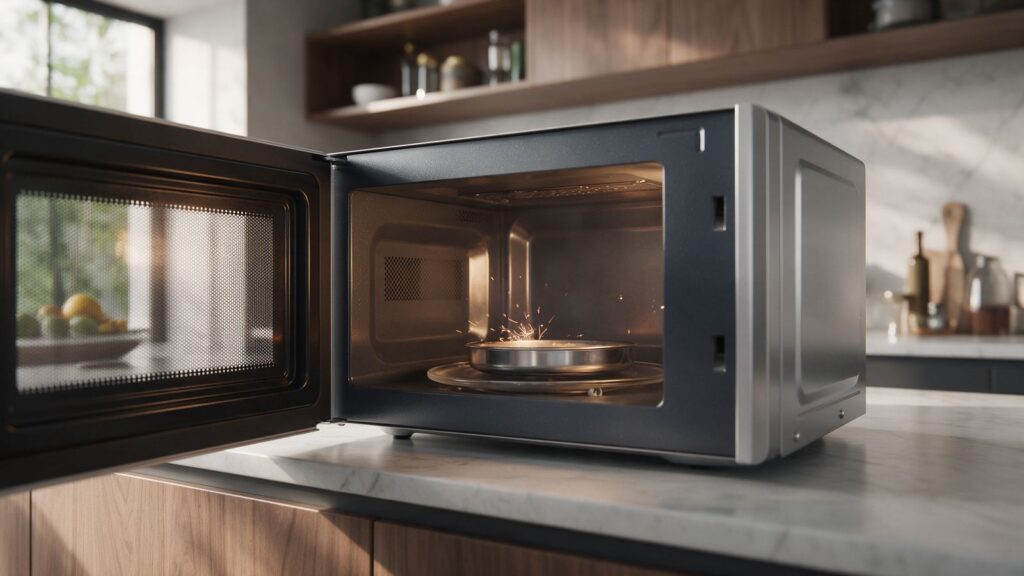
Arcing can be caused by inappropriate metal, damaged accessories, heavy food residue, cavity damage, or an internal high-voltage problem. Continuing to run the microwave…
A locked oven door after self-clean is a high-temperature safety condition first. The latch should not be forced while the cavity or lock system may still be hot.

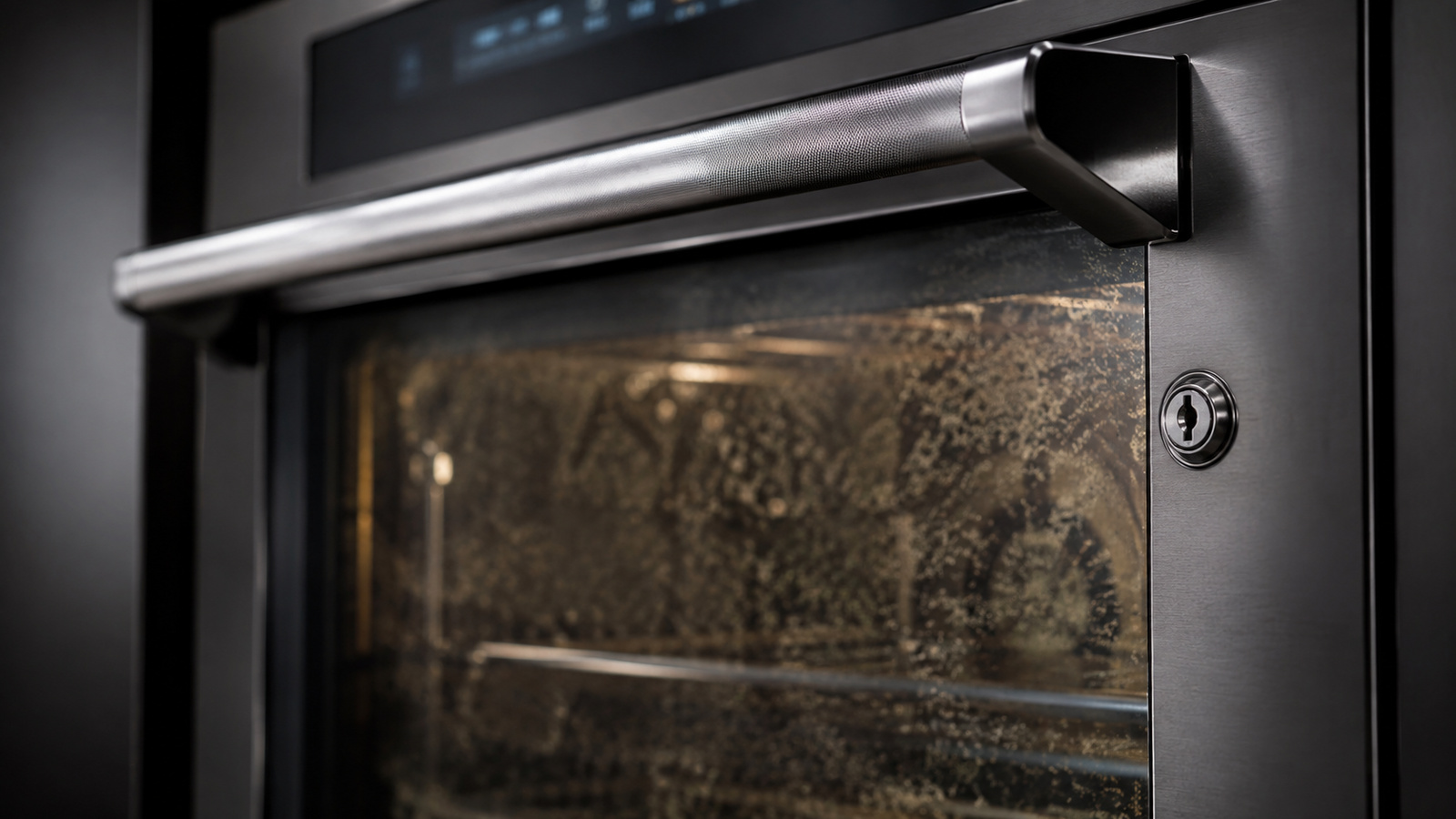
A Viking oven door that stays locked after self-clean can simply mean the oven is still in the cycle or still cooling: the latch releases only after the oven drops to a safe temperature, which the manual says can take about 30 minutes beyond the cycle itself. Wait, do not force the handle, and use the manual’s cancel steps if the cycle needs to stop.
A locked oven door after self-clean is a high-temperature safety condition first. The latch should not be forced while the cavity or lock system may still be hot.
| Symptom | What it can point to | What you can safely check |
|---|---|---|
| Door locked right after the cycle ends | Oven still hot, latch not yet released | Wait for the oven to cool; do not pry the handle |
| Door locked after cancelling early | Cancellation before the latch fully engaged | Follow the manual’s lighted bezel steps where your model has one |
| Self-clean will not start | Door not shut tightly enough, or knob not turned fully to CLEAN | Close the door firmly and turn the knob past CLEAN until it stops |
| Double oven will not self-clean | The other oven is in self-clean | Wait until the first cycle is finished |
| No fan sound during the cycle | Fan not running | Stop and call service before self-cleaning again |
Viking ovens and range ovens may use bake, broil and convection functions with model-specific heating, fan, sensing and control architecture. Identify the exact cavity and mode.
Viking says its self-clean oven reaches up to 750F, and the cycle generally takes 3 to 3.5 hours plus 30 minutes of cool down. The manual for the 5 and 7 Series electric ovens says the latch engages within 30 seconds of starting, and about 30 more minutes are needed after the cycle for the door latch to disengage. If the door will not open, the oven may still be in self-clean mode, and if it is hot, the latch releases when a safe temperature is reached.
To cancel, turn both the temperature and selector knobs to OFF. The latch then releases once the oven drops to a safe temperature, so cancelling does not unlock the door immediately.
If the door remains locked, the latch, temperature sensing, wiring, or controls may need service.
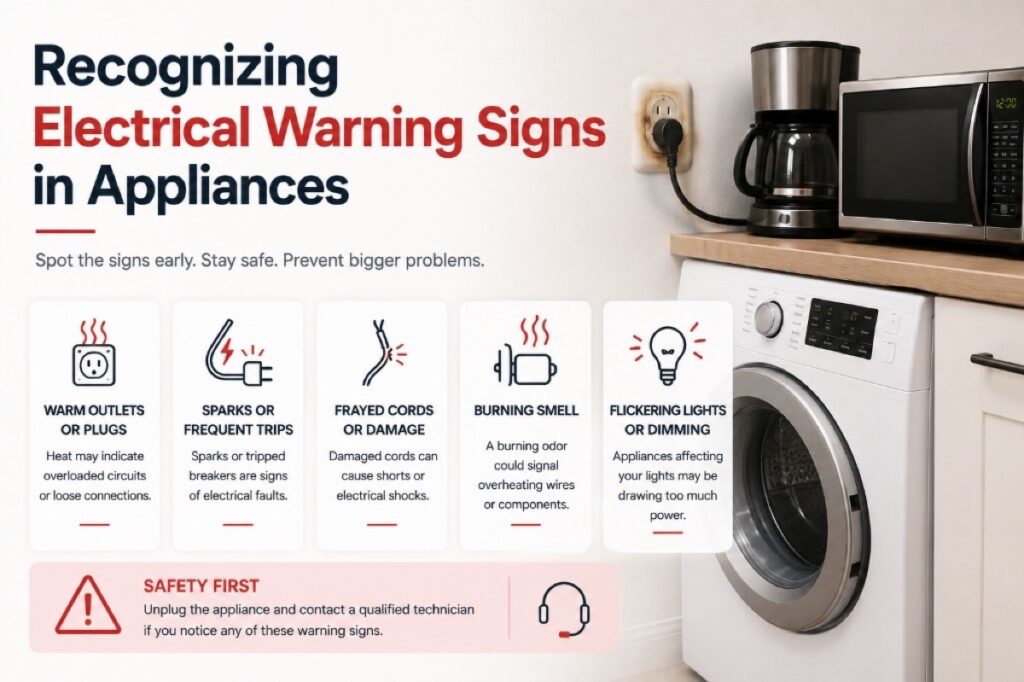
Stop normal operation for smoke, sparking, burning electrical odor, repeated breaker trips, persistent gas odor, uncontrolled overheating, water contacting electrical connections or other clear fire/gas/electrical/flooding hazards.
Do not bypass safety devices or perform live electrical, internal gas, sealed-refrigeration, induction-power or microwave high-voltage work.
On a 7 Series range with a lighted bezel, if self-clean is cancelled before the latch fully engages in the first 30 seconds, the door may stay locked. The manual says to turn both knobs to SELF-CLEAN until the bezel pulses yellow, then to OFF. A solid yellow bezel disappears when the door is unlocked. On 7 Series double ovens, if one oven is in self-clean, the other will not enter self-clean. Before any cycle, remove racks, foil and utensils, leave the rack supports in place, and listen for the fan noise.
Write down:
Those details reduce repeated owner checks and help the technician choose a focused diagnostic path.
For Viking gas ranges and ovens there is no numeric code list to consult. The 7 Series range manual mentions red backlight and knob-ring flash patterns without printing the list, so a flash count has no meaning you can safely assume.
Leave heavy professional ranges, built-in refrigerators, wall ovens, undercounter products and tightly installed appliances in place unless the service team specifically requests access. Moving an appliance without a plan can disturb flooring, cabinetry, anti-tip hardware, gas, electrical, water, drain or ventilation connections.
For condos, high-rises, gated properties and custom kitchens, include loading, elevator, shutoff, parking and clearance information when booking.
Do not clear a useful code before recording it. Do not order a part because another Viking owner described a similar symptom. Do not apply an oven F-code meaning to a refrigeration or dishwasher platform without verification.
One controlled owner-level check is useful when it answers a question. Repeated resets and panel removal usually remove evidence instead of adding it.
For adjacent symptoms, read Viking Oven Bakes Unevenly: Test the Pattern Before Replacing a Heating Part and Viking Gas Burner Keeps Clicking: Moisture, Burner Position, or Ignition Hardware?.
Should I keep resetting the Viking appliance if it starts working again? Use one normal model-approved restart when appropriate and record any code first. If the same condition returns, repeated resets are not a repair.
Should I buy a part from the symptom or F-code alone? Usually no. Similar symptoms can come from different components, installation conditions or utility problems.
Can I remove panels to inspect wiring, gas parts or controls? No. Keep homeowner checks external and model-appropriate.
Why does the full model number matter? Viking has multiple product series and generations. Exact model identity helps prevent the wrong technical path.
How long does a Viking oven door stay locked after self-clean? Viking’s FAQ gives a cycle of 3 to 3.5 hours plus 30 minutes of cool down, and the manual says about 30 more minutes are needed for the latch to disengage. These are model-dependent, so check your manual.
Can I force the door open? No. The latch is a safety device, and forcing it while the oven is hot can damage it or injure you. If the door remains locked after the oven has cooled, book service.
Why will my oven not start self-clean? The manual lists a door that is not shut tightly enough for the automatic latch to lock, or a knob not rotated fully past CLEAN until it stops.
Arcing can be caused by inappropriate metal, damaged accessories, heavy food residue, cavity damage, or an internal high-voltage problem. Continuing to run the microwave…
A breaker that repeatedly trips is doing safety work. Depending on the appliance, the cause can be household wiring, moisture, heaters, motors, compressor/start hardware,…
A built-in dishwasher combines water, pumps, heaters, wiring, and controls. Water escaping beyond the intended tub and drain path should be contained before repeated…
Share a few details and we’ll confirm an appointment. Prefer to talk? Call us and we’ll help right away.