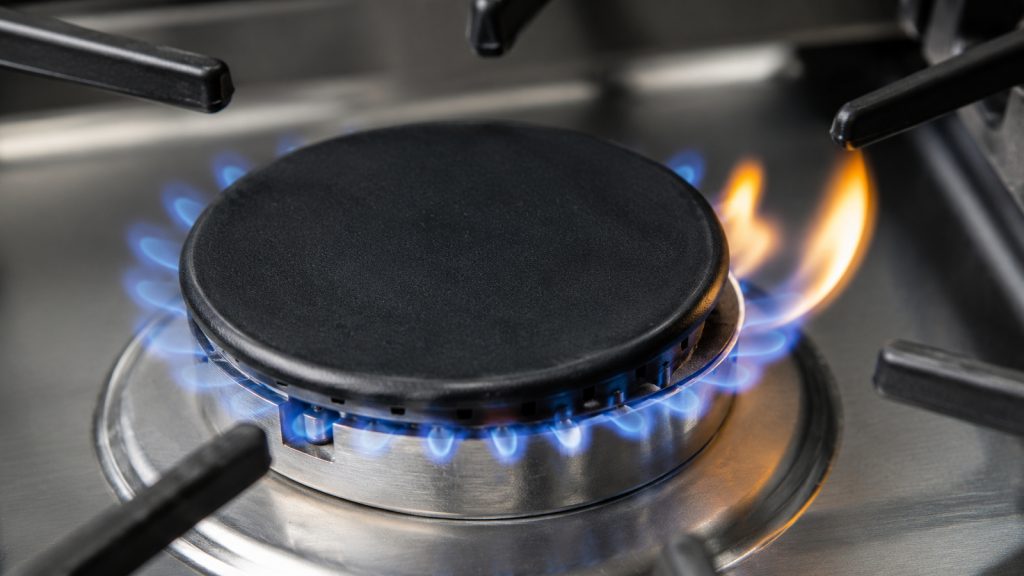
Viking Gas Cooktop Flames Turning Lazy or Yellow
Uneven or yellow Viking cooktop flames often mean dirty ports or misaligned caps — know when supply problems need a pro.
Viking built-in refrigeration hums and gurgles by design — learn which new sounds mean vibration versus a fan or sealed-system visit.

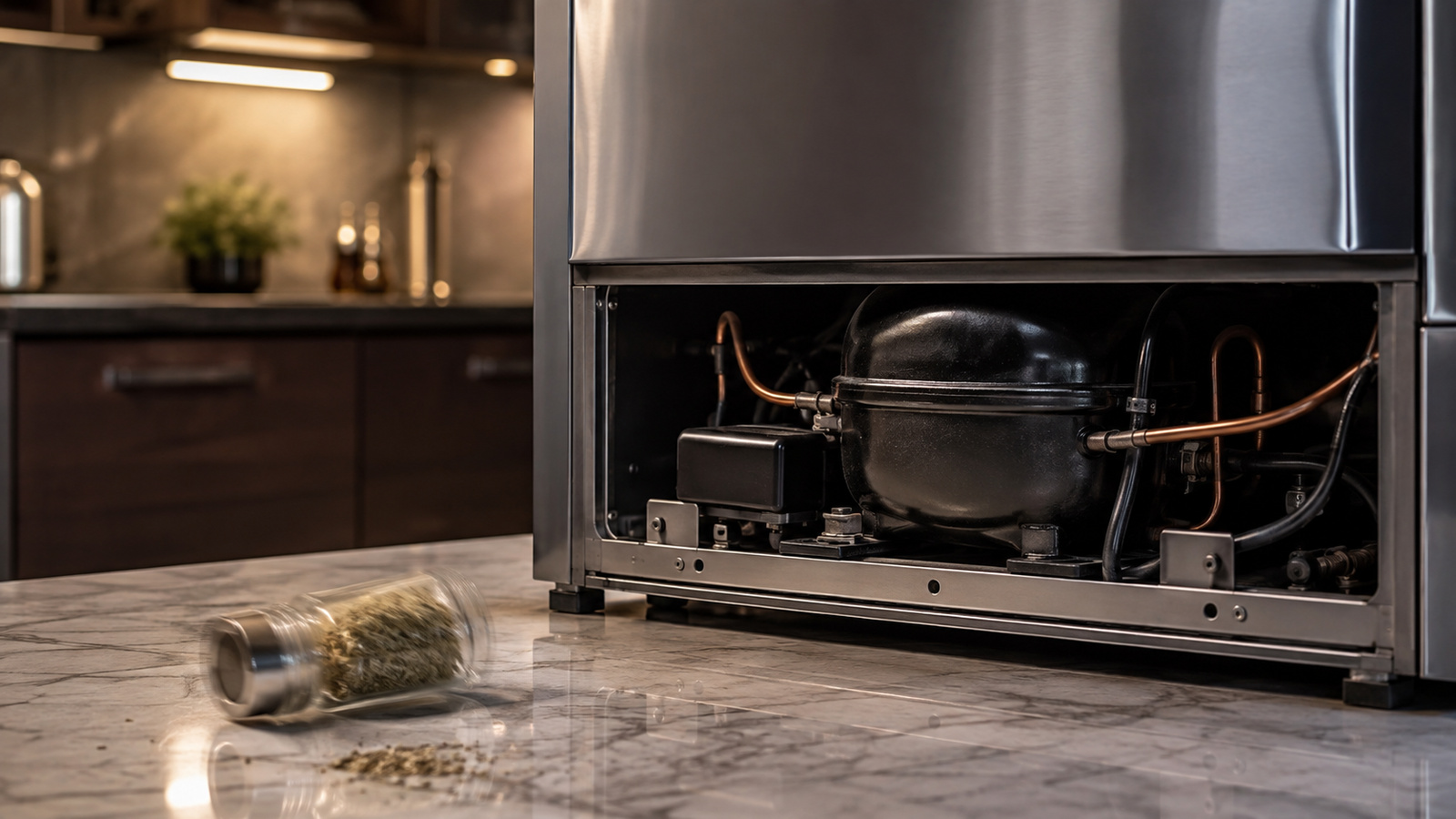
Column and French-door Viking refrigerators move refrigerant, run evaporators, and shed defrost water — all of which make sound. A gentle hum or occasional gurgle after the door closes is usually healthy.
New grinding, rapid knocking, or rattles that track with poor cooling deserve attention. Independent Viking techs use your description of when the noise starts to decide between leveling, fan obstruction, or sealed-system work.
Expect soft compressor hum, intermittent valve clicks, and pops as plastic liners change temperature. Ice makers add harvest sounds that can surprise first-time Viking owners.
Worry more about metallic grinding, squealing that rises with runtime, or buzzing that coincides with warm compartments. Those patterns are not “just how built-ins sound.”
| Sound | Typical meaning | Owner action |
|---|---|---|
| Steady low hum | Normal compressor | Monitor only |
| Rattle on open shelves | Vibration transfer | Level unit; clear touching cookware |
| Harsh grind | Fan or system stress | Book diagnosis |
Confirm the built-in is level side-to-side and front-to-back so doors seal and the compressor sits as designed. Wine bottles or pans touching the cabinet exterior can amplify normal hum into a buzz.
Leave manufacturer clearance at the grille. A blocked return can make fans work harder and louder while temperatures drift.
Safe to try
Leave to a technician
Call independent Viking repair if grinding continues after leveling, if the sound began suddenly with a temperature rise, or if you hear liquid-like roaring that never settles.
Do not keep running a unit that screams or trips breakers. Power down safely and protect food.
A ten-second recording labeled “after door close” or “during ice harvest” helps the technician arrive with the right parts mindset without opening panels on day one.
Viking refrigeration is not silent, but new harsh noises — especially with cooling loss — are a reason for independent diagnosis, not longer waiting.
This article covers Viking Refrigerator Sounds: Normal with practical checks you can run before booking a technician.
Need help now? Visit our services page or contact us.
Official manuals and support notes are available on Viking Range owner support.
Remember: Viking Refrigerator Sounds: Normal is easier to resolve when you capture the model number and when Viking Refrigerator Sounds: Normal first appeared.
Write down the full model number before ordering parts. Board and sensor revisions can change which part number is correct.
A single power reset can clear a temporary fault, but repeated returns of the same code usually mean a physical cause remains.
Keep vents and filters clear between visits. Restricted airflow often mimics electrical or sensor failures.
If water, burning smells, or sparking are present, stop using the appliance and arrange a professional inspection.
Often yes; refrigerant and drain water movement can gurgle briefly. Persistent loud roaring is different.
Yes. Harvest and fill cycles click and buzz on a schedule. Disable ice temporarily to see if the mystery sound stops.
No. Fans, drains, and vibration are more common. Sealed-system conclusions need gauges and training.
Uneven or yellow Viking cooktop flames often mean dirty ports or misaligned caps — know when supply problems need a pro.
Large Viking cavities and heavy accessories stretch preheat — learn normal ramp times versus a failing heat circuit.
Musty Viking dishwashers usually hide soil in the filter and gasket — clean those before chasing motor failures.
Share a few details and we’ll confirm an appointment. Prefer to talk? Call us and we’ll help right away.
Use the secure scheduler below to request your appointment.