Viking Wine Cellar Not Cooling: Temperature Drift Has More Than One Cause
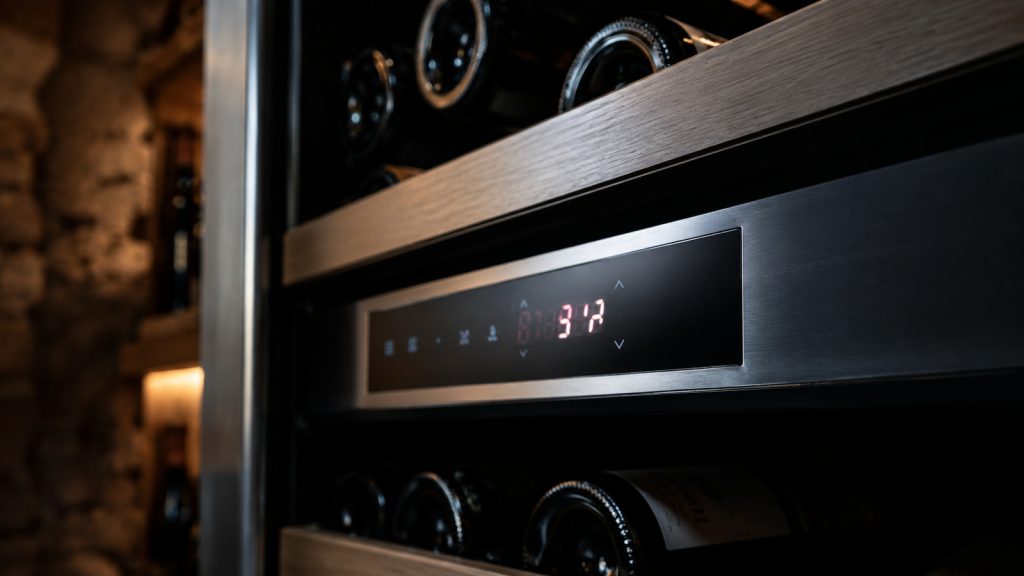
A Viking wine cellar can drift because of door sealing, loading, room conditions, ventilation, fans, sensors, controls, or the refrigeration system. One display reading…
A Viking burner that keeps clicking can be reacting to moisture, a mis-seated cap, debris around the igniter, a switch condition, wiring, or ignition control hardware. The safe approach is to stop repeated gas release…

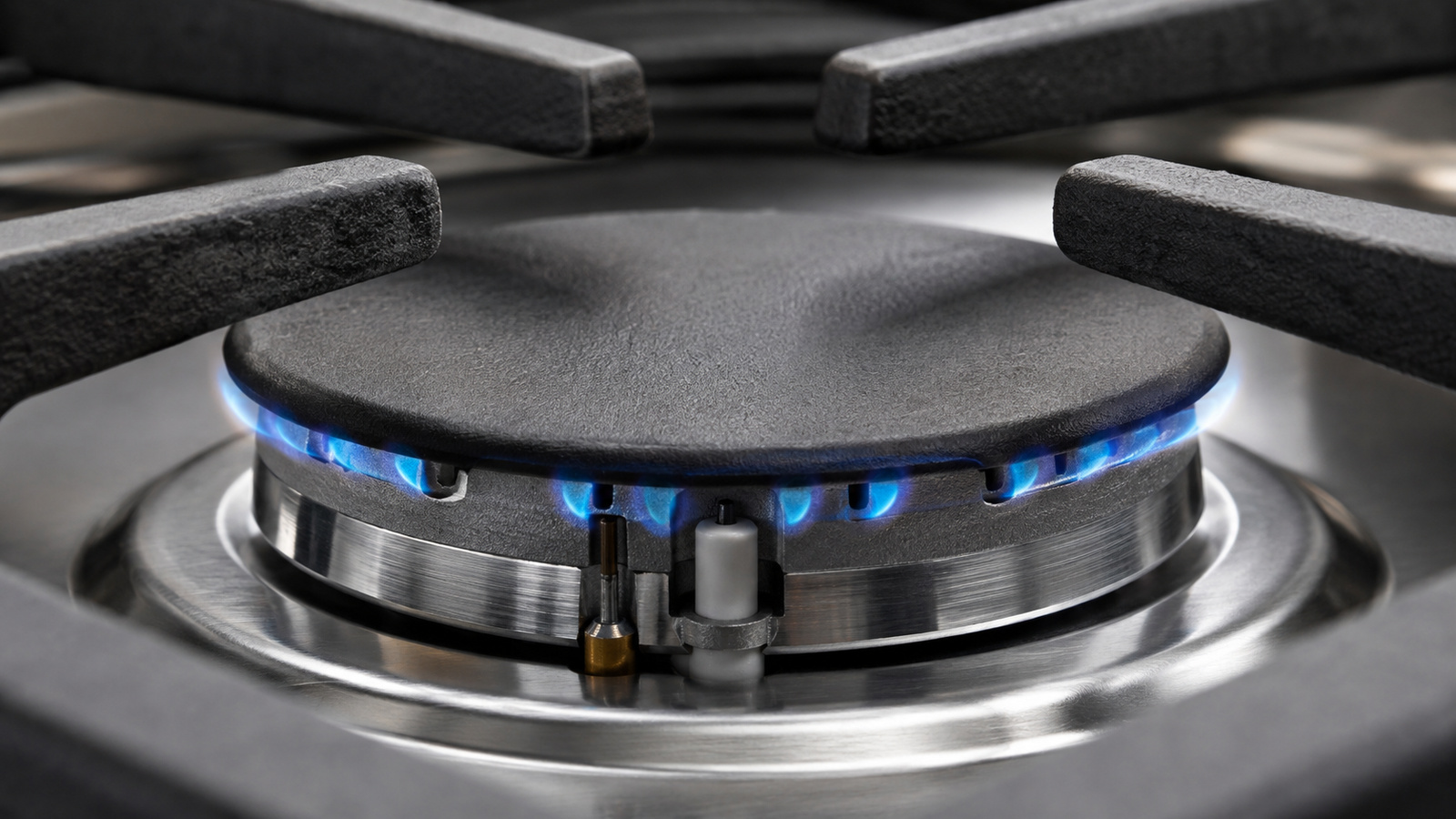
A Viking burner that keeps clicking is reacting to something that stops the flame from establishing or the igniter from settling: moisture, a cap or head out of position, debris or an electrical condition. Turn the burner off, let it cool, and clean, dry and reseat the user-removable parts before anything else, and do not keep turning the knob to force a flame.
A Viking burner that keeps clicking can be reacting to moisture, a mis-seated cap, debris around the igniter, a switch condition, wiring, or ignition control hardware. The safe approach is to stop repeated gas release and inspect only user-removable parts.
| Symptom | What it can point to | What you can safely check |
|---|---|---|
| Clicks briefly when the knob is turned, then the flame stays steady | Normal ignition | Nothing to fix |
| Clicks again when the flame flickers out | The igniters automatically reignite if the flame goes out while gas flows | Watch for drafts or spills at that burner |
| Keeps sparking after the flame lights | Wet or dirty igniters, or a grounding or polarity condition in the power supply | Dry the area; the power supply is a job for service |
| Clicking began after a spill or wipe-down | Moisture around the igniter or a soiled cap | Dry everything thoroughly before reassembling |
| One burner clicks while others do not | Cap or head out of position | Check that the two tabs and the arrow are positioned as the manual shows |
| Clicking with gas odor | A stop situation | Turn the knob off, ventilate and follow gas-safety guidance |
Change one condition at a time. Resetting power, changing settings, cleaning multiple systems and moving the appliance all at once can erase evidence.
Viking professional ranges can use gas, dual-fuel, electric or induction systems. Gas work, live electrical testing and internal ignition/control diagnosis belong to qualified service.
On many Viking gas ranges the knob is both a gas valve and an electric switch, and the igniters spark as soon as it is pushed in and turned. The sparking continues until the flame is established, and it restarts on its own if the flame goes out while gas is still flowing. A few clicks at the start, or a quick burst of clicks when a draft disturbs the flame, therefore fall within the documented design.
Continuous clicking after a stable flame is a different matter. The manual’s troubleshooting table lists igniters sparking continuously after flame ignition as a power supply that is not grounded, a polarity reversal, or igniters that are wet or dirty.
A symptom identifies a system to investigate; it does not identify one replacement part. Installation, utilities, sensors, wiring, airflow, mechanical components, controls and the appliance’s heating or refrigeration system can create similar outward behavior.
If clicking continues after the burner is clean, dry, and correctly assembled, ignition switches, electrodes, wiring, valves, or control hardware may need service.
Spillovers can leave moisture or residue where the igniter needs to stay dry. The manual asks for burner caps to be cleaned after every spillover, because clean caps prevent improper ignition and uneven flames, and for caps, heads and grates to be completely dry before they go back. Caps should not be washed in a dishwasher or self-cleaning oven.
Keep the area around the igniter clear of spills and avoid probing the igniter itself. Wet or dirty igniters are a listed cause, but cleaning inside the cooktop is not an owner task.
Write down:
Those details reduce repeated owner checks and help the technician choose a focused diagnostic path.
Leave heavy professional ranges, built-in refrigerators, wall ovens, undercounter products and tightly installed appliances in place unless the service team specifically requests access. Moving an appliance without a plan can disturb flooring, cabinetry, anti-tip hardware, gas, electrical, water, drain or ventilation connections.
For condos, high-rises, gated properties and custom kitchens, include loading, elevator, shutoff, parking and clearance information when booking.
Do not clear a useful code before recording it. Do not order a part because another Viking owner described a similar symptom. Do not apply an oven F-code meaning to a refrigeration or dishwasher platform without verification.
One controlled owner-level check is useful when it answers a question. Repeated resets and panel removal usually remove evidence instead of adding it.
For adjacent symptoms, read Viking Oven Bakes Unevenly: Test the Pattern Before Replacing a Heating Part and Viking Professional Range Repair Cost: Ignition, Heating, Controls, or Access?.
Should I keep resetting the Viking appliance if it starts working again? Use one normal model-approved restart when appropriate and record any code first. If the same condition returns, repeated resets are not a repair.
Should I buy a part from the symptom or F-code alone? Usually no. Similar symptoms can come from different components, installation conditions or utility problems.
Can I remove panels to inspect wiring, gas parts or controls? No. Keep homeowner checks external and model-appropriate.
Why does the full model number matter? Viking has multiple product series and generations. Exact model identity helps prevent the wrong technical path.
Why does my Viking stove keep clicking after the burner is lit? The manual lists wet or dirty igniters, a power supply that is not grounded or reversed polarity as reasons for continuous sparking after ignition. Dry the surrounding parts, and book service if it continues.
Can a spill make the burner click nonstop? Moisture or debris around the igniter can. Let the burner cool, then clean and thoroughly dry the cap and head before reassembling.
Is it safe to keep turning the knob until it lights? No. Turn the burner off, let any gas disperse, and ventilate the kitchen. Repeated attempts release gas, and a persistent odor means stopping completely.
A Viking wine cellar can drift because of door sealing, loading, room conditions, ventilation, fans, sensors, controls, or the refrigeration system. One display reading…
Weak capture can come from grease-loaded filters, blocked intake areas, duct resistance, a stuck exterior damper, insufficient make-up air, blower hardware, or controls. A…
Standing water after a Viking dishwasher cycle can come from the filter/sump, drain hose, sink or disposer connection, check path, pump, sensing, or controls.…
Share a few details and we’ll confirm an appointment. Prefer to talk? Call us and we’ll help right away.