Viking Microwave Arcing or Sparking: What to Stop Using Immediately
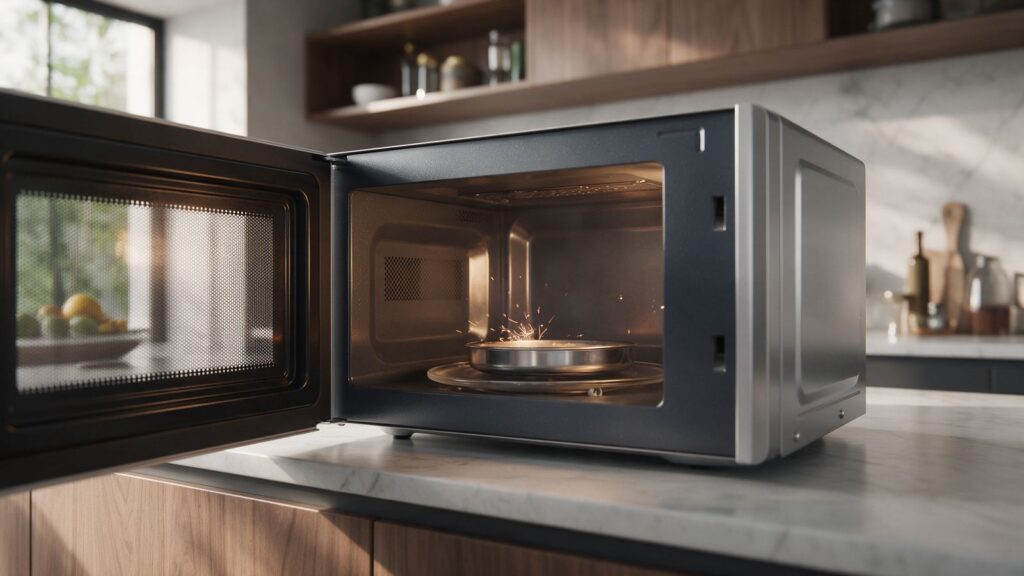
Arcing can be caused by inappropriate metal, damaged accessories, heavy food residue, cavity damage, or an internal high-voltage problem. Continuing to run the microwave…
A breaker that repeatedly trips is doing safety work. Depending on the appliance, the cause can be household wiring, moisture, heaters, motors, compressor/start hardware, induction power modules, damaged wiring, or…

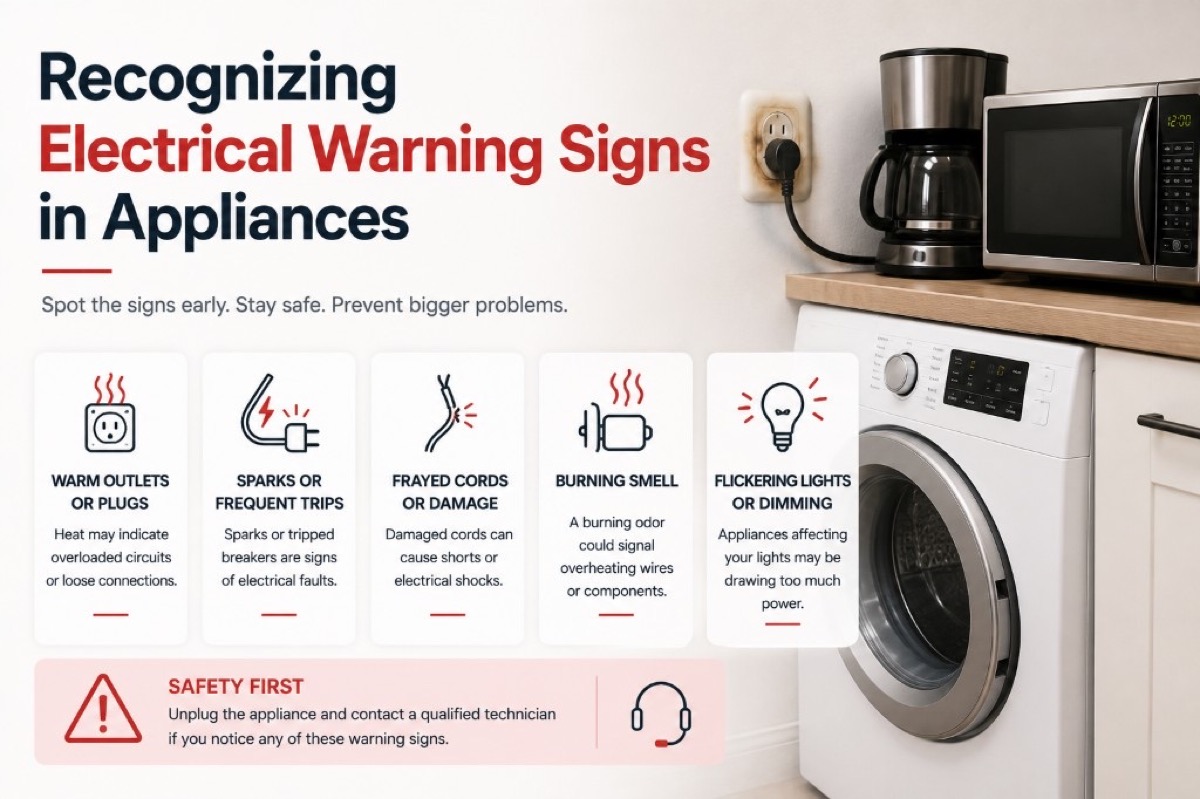
A Viking appliance that trips the breaker more than once should be left off, because the breaker is reacting to a real fault: moisture, a heating or motor circuit, or damaged wiring are all possible. Note when the trip happened, switch the appliance off at its control, and have the appliance and its circuit evaluated instead of resetting until it holds.
A breaker that repeatedly trips is doing safety work. Depending on the appliance, the cause can be household wiring, moisture, heaters, motors, compressor/start hardware, induction power modules, damaged wiring, or controls.
| Symptom | What it can point to | What you can safely check |
|---|---|---|
| Trips the moment the appliance is switched on | A fault in the appliance or its supply circuit | Leave the appliance off and do not reset again |
| Trips during a heating or cooking stage | A heating circuit under load | Note the stage and the setting in use |
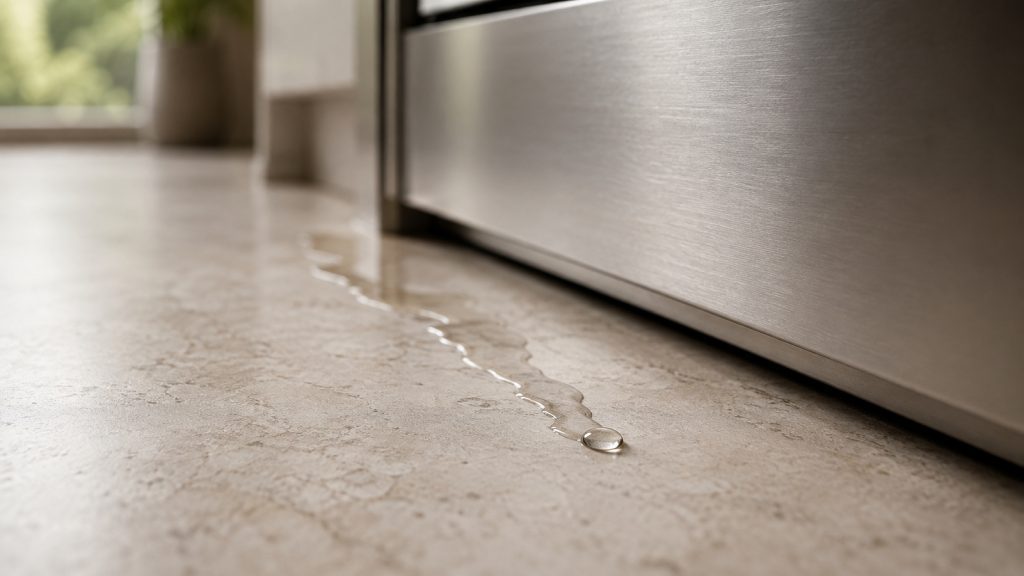
| Trips after a leak or spill | Moisture reaching electrical parts | Keep the appliance off and dry only reachable surfaces |
| Trips only when several things run at once | A circuit shared with other loads | Note what else was running |
| Trips with a burning odor, smoke, or sparks | A hazard | Stop use, leave it off, and book service |
Viking appliance families use different utilities, sensors and control platforms. Brand name alone is not enough context for a code or part decision.
A breaker opens to protect the wiring and the people using it. Resetting it a few times to see whether the problem comes back repeats the stress that caused the trip. Treat the first trip as a clue and the second as an instruction to stop. Viking appliances differ in what they draw power for, so the stage of operation when the breaker opened is the most useful detail to carry into a call.
A repeated trip under the same condition is enough reason to leave the appliance off and have the appliance and supply circuit evaluated.
Stop normal operation for smoke, sparking, burning electrical odor, repeated breaker trips, persistent gas odor, uncontrolled overheating, water contacting electrical connections or other clear fire/gas/electrical/flooding hazards.
Do not bypass safety devices or perform live electrical, internal gas, sealed-refrigeration, induction-power or microwave high-voltage work.
Some Viking manuals specify a power supply requirement. The undercounter ice machine manual, for example, says it requires a 115V 15A supply. Viking manuals also list the household breaker among the basic checks when a unit will not start, and the gas range manual ties dead igniters to a tripped circuit or blown fuse. These are first checks for a unit that is dead, not a reason to keep resetting a breaker that trips repeatedly.
If the breaker trips again, the safer boundary is to leave the appliance off and unplugged where that is possible without reaching into wet or crowded spaces.
Write down:
Those details reduce repeated owner checks and help the technician choose a focused diagnostic path.
Viking publishes no numeric error-code table for its gas ranges, and a breaker trip usually means no display is available anyway. If a message did appear before the trip, describe it exactly rather than looking for a meaning online.
Leave heavy professional ranges, built-in refrigerators, wall ovens, undercounter products and tightly installed appliances in place unless the service team specifically requests access. Moving an appliance without a plan can disturb flooring, cabinetry, anti-tip hardware, gas, electrical, water, drain or ventilation connections.
For condos, high-rises, gated properties and custom kitchens, include loading, elevator, shutoff, parking and clearance information when booking.
Do not clear a useful code before recording it. Do not order a part because another Viking owner described a similar symptom. Do not apply an oven F-code meaning to a refrigeration or dishwasher platform without verification.
One controlled owner-level check is useful when it answers a question. Repeated resets and panel removal usually remove evidence instead of adding it.
For adjacent symptoms, read Viking Gas Burner Won’t Ignite: Safe Checks and the Gas-Odor Boundary and Viking Refrigerator Warming Up: Protect Food Before Parts Diagnosis.
Should I keep resetting the Viking appliance if it starts working again? Use one normal model-approved restart when appropriate and record any code first. If the same condition returns, repeated resets are not a repair.
Should I buy a part from the symptom or F-code alone? Usually no. Similar symptoms can come from different components, installation conditions or utility problems.
Can I remove panels to inspect wiring, gas parts or controls? No. Keep homeowner checks external and model-appropriate.
Why does the full model number matter? Viking has multiple product series and generations. Exact model identity helps prevent the wrong technical path.
Is it safe to reset the breaker once to see if the appliance works? One reset after a nuisance event may be reasonable, but a trip that returns under the same condition is a reason to stop. Do not keep testing, and have the appliance and circuit evaluated.
Could the problem be the house circuit instead of the appliance? It can be. The manuals list the household breaker and fuse among the first checks, but the only way to tell the two apart safely is a qualified evaluation of both.
What should I do if water was involved before the trip? Keep the appliance off and stay out of the wet area around electrical connections. Dry only what you can reach safely and arrange service before using it again.
Arcing can be caused by inappropriate metal, damaged accessories, heavy food residue, cavity damage, or an internal high-voltage problem. Continuing to run the microwave…
A built-in dishwasher combines water, pumps, heaters, wiring, and controls. Water escaping beyond the intended tub and drain path should be contained before repeated…
A locked oven door after self-clean is a high-temperature safety condition first. The latch should not be forced while the cavity or lock system…
Share a few details and we’ll confirm an appointment. Prefer to talk? Call us and we’ll help right away.