Viking Dryer Tumbling Cold: Cycle Choice Versus True Heat Loss
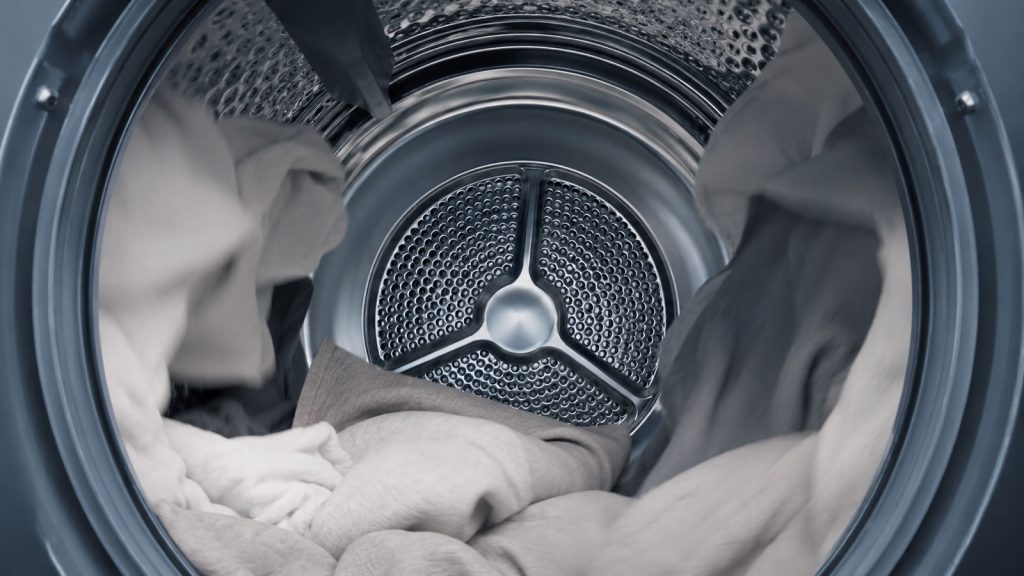
A tumbling dryer with cool air may be on an air-fluff cycle or choked vent — verify settings and airflow before heater replacement.
Viking self-clean locks are intentional heat protection — wait for cool-down and never force the door.

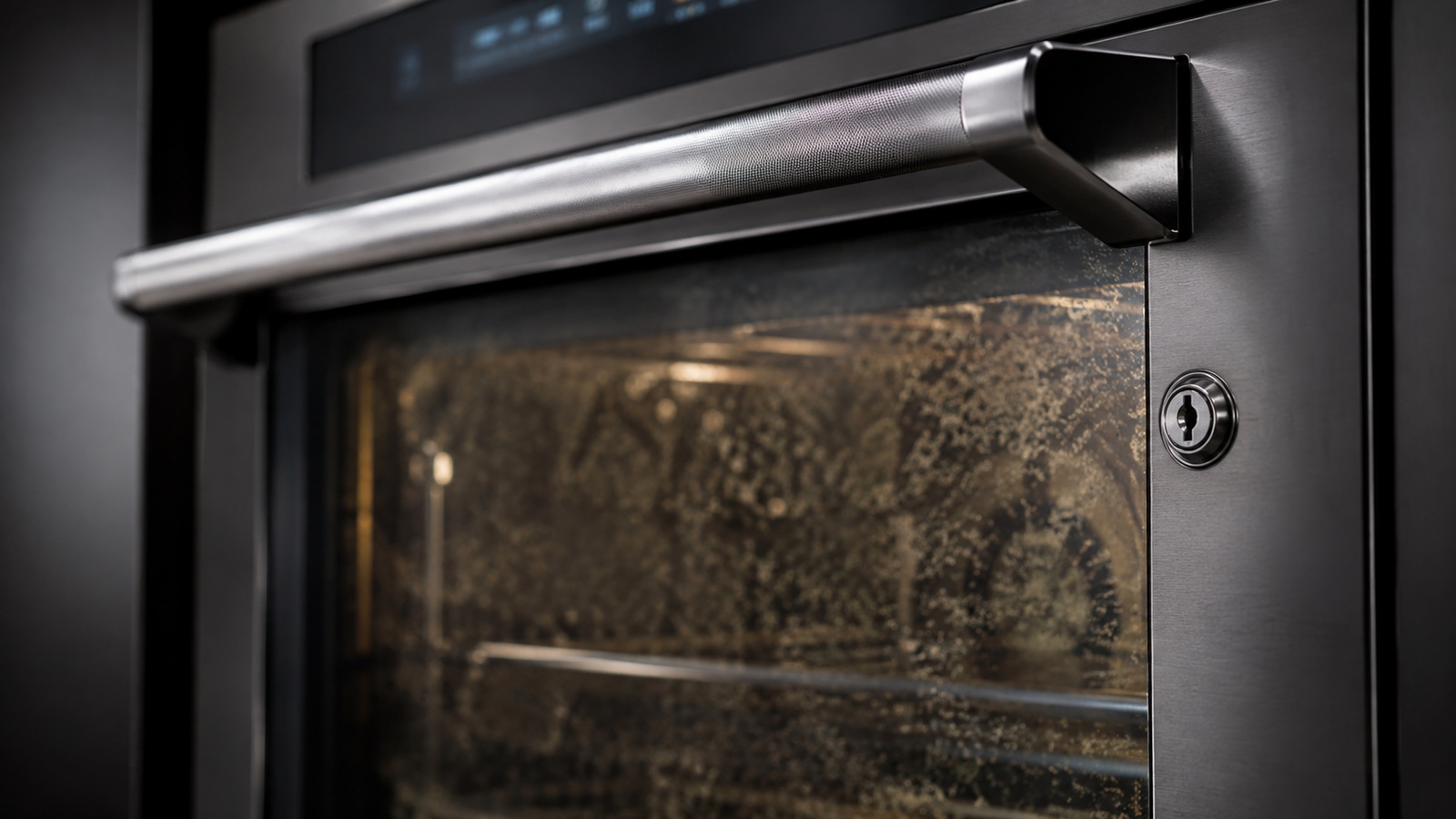
After a self-clean, a Viking oven door can stay locked long after the cycle message ends. The latch is tied to temperature, not to your patience — forcing it risks glass, hinges, and injury.
Independent Viking technicians replace failed lock motors and sensors when a cold oven still will not open. Owners should only wait, read the display, and prepare model details for service.
Leave the door alone until the exterior is fully cool to the touch and the display no longer indicates cleaning or locking. Kitchen fans help ambient air but do not replace the designed wait.
Avoid pouring water into a hot oven to “speed cool.” Thermal shock can crack enamel and glass.
| Condition | Meaning | Response |
|---|---|---|
| Door hot, lock on | Safety lock working | Wait patiently |
| Clean cycle still shown | Program not finished | Follow cancel guidance in manual |
| Stone cold, still locked | Lock assembly fault | Book Viking service |
Some Viking models clear a stuck UI state after a breaker reset once the cavity is cool. Perform that only as the manual describes — never pry the latch with tools.
If the lock motor buzzes endlessly without releasing, cut power at the breaker and leave the door closed until a technician arrives.
Safe to try
Leave to a technician
Clear space in front of the range, note whether self-clean completed or aborted, and share any recent power blips. Lock failures after incomplete cleans are a known pattern.
Do not store items in a locked oven thinking you will retrieve them later the same day — plan meals around the repair appointment.
Online shortcuts that drill or wedge Viking locks create unsafe doors. Pay for a proper latch repair instead of a damaged cavity.
A locked Viking oven door after self-clean is usually the safety system doing its job. Wait for cold, follow the manual, and call independent repair if the latch never releases.
This article covers Viking Oven Door Locked with practical checks you can run before booking a technician.
Need help now? Visit our services page or contact us.
Official manuals and support notes are available on Viking Range owner support.
Remember: Viking Oven Door Locked is easier to resolve when you capture the model number and when Viking Oven Door Locked first appeared.
Write down the full model number before ordering parts. Board and sensor revisions can change which part number is correct.
A single power reset can clear a temporary fault, but repeated returns of the same code usually mean a physical cause remains.
Keep vents and filters clear between visits. Restricted airflow often mimics electrical or sensor failures.
If water, burning smells, or sparking are present, stop using the appliance and arrange a professional inspection.
Often one to two hours or more depending on the cycle and kitchen temperature. Stay patient while heat remains.
No. Do not operate an oven with a compromised or forced door system.
Not always; temperature still governs the latch. Canceling does not create an instant open.
A tumbling dryer with cool air may be on an air-fluff cycle or choked vent — verify settings and airflow before heater replacement.
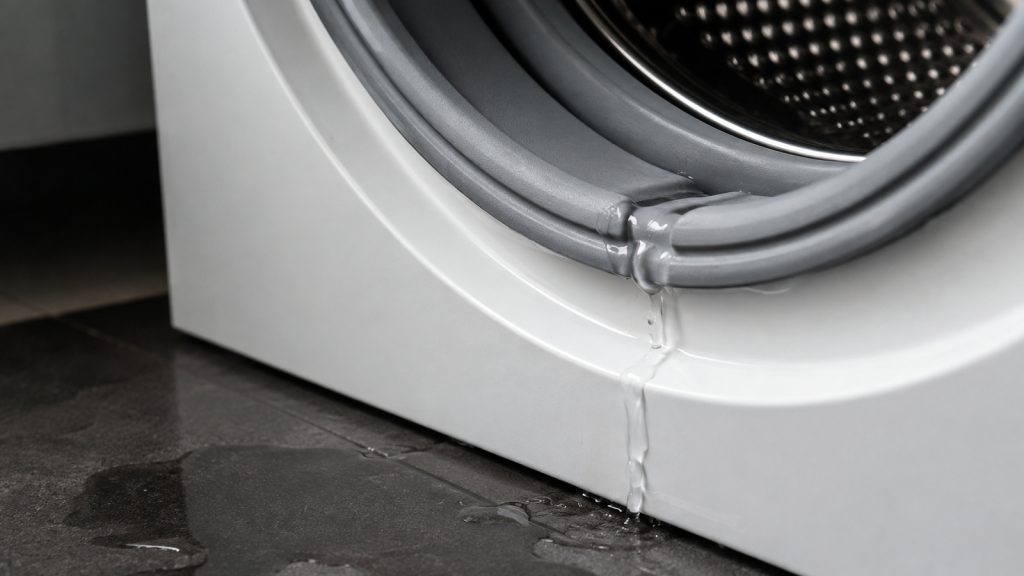
Front-load leaks often hide in the door boot fold or detergent drawer — inspect those before assuming a cracked tub.
Front leaks on Viking dishwashers often come from suds, loading, or gasket debris — check those before assuming a tub crack.
Share a few details and we’ll confirm an appointment. Prefer to talk? Call us and we’ll help right away.
Use the secure scheduler below to request your appointment.