Viking Dryer Tumbling Cold: Cycle Choice Versus True Heat Loss
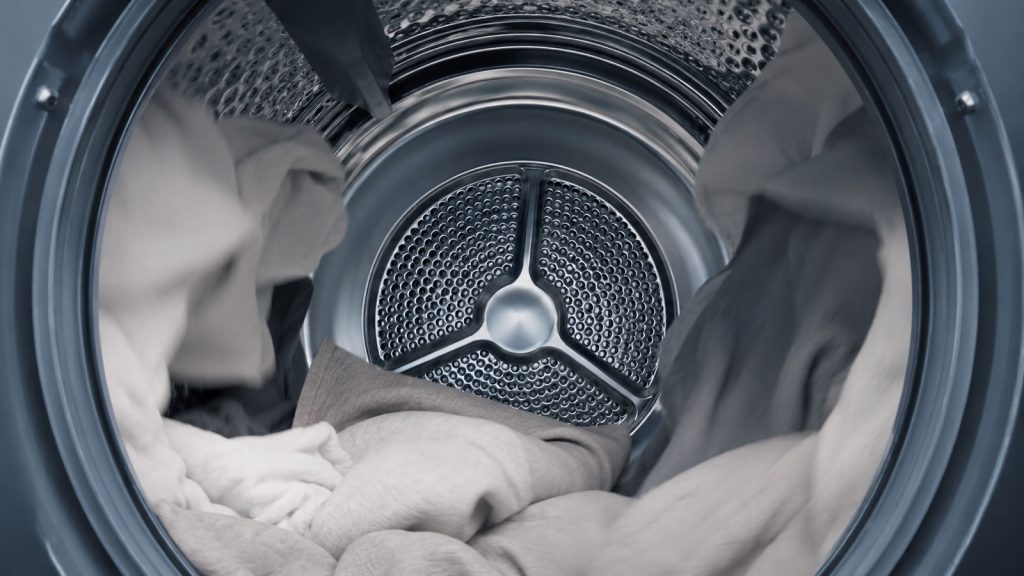
A tumbling dryer with cool air may be on an air-fluff cycle or choked vent — verify settings and airflow before heater replacement.
Mid-cycle pauses often mean the washer is protecting against imbalance, fill problems, or drain faults — read the stage before resetting blindly.

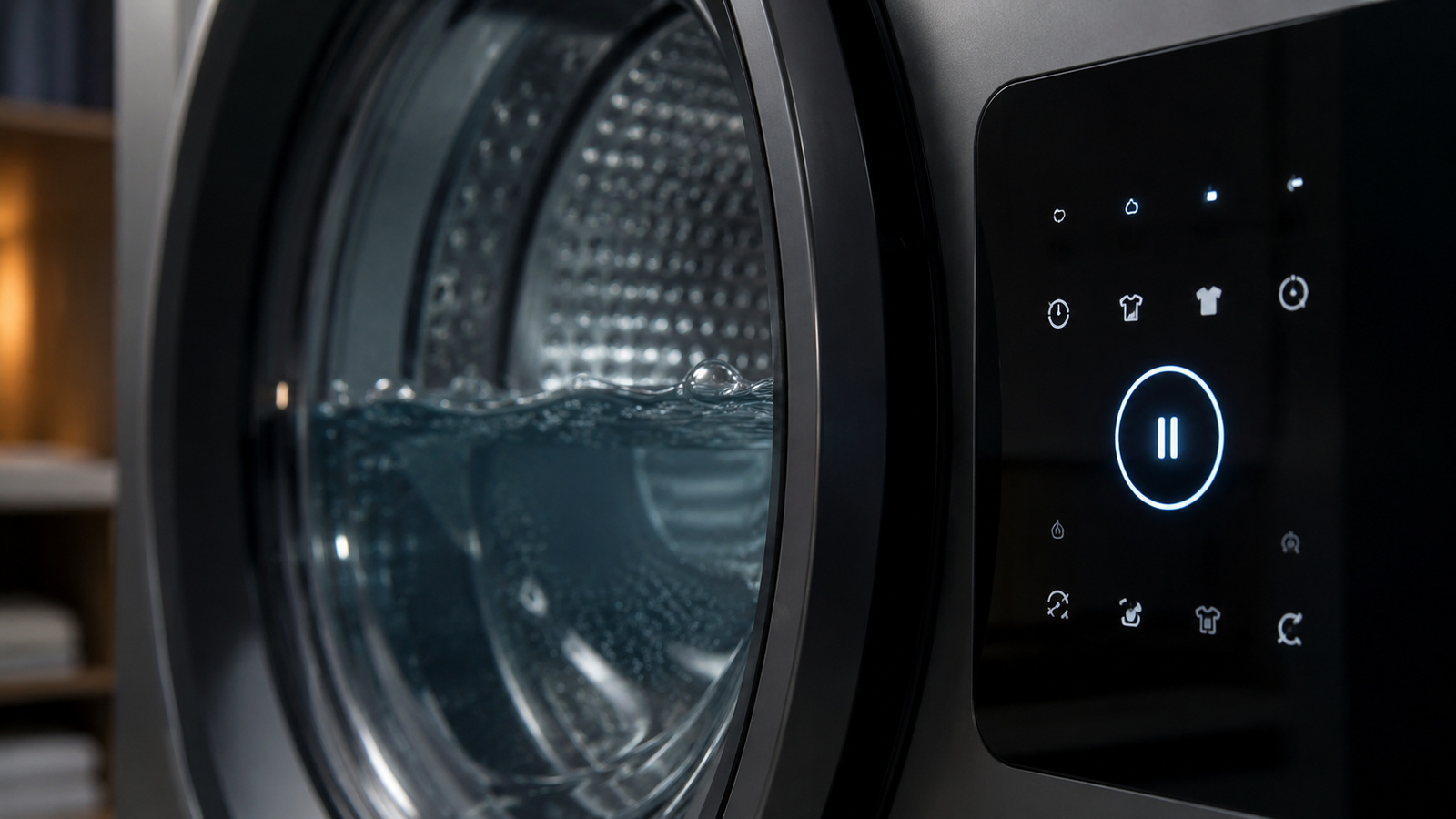
A washer that goes quiet halfway through a program may be paused on purpose: sensing an off-balance load, waiting for water, or trying to drain. Random power cycling erases those clues.
Note the cycle stage, then work through load balance and accessible drain checks. Independent techs use that timeline when a valve, sensor, or board is truly at fault.
Look at the console lights or remaining-time behavior. Stops before spin often mean imbalance; stops with a full tub suggest drain or fill trouble.
When the door unlocks safely, redistribute laundry and straighten twisted sheets that wrap into a single mass.
| Stall point | Common cause | Safe check |
|---|---|---|
| Before spin | Imbalance | Redistribute load |
| Tub full of water | Drain path | Clean user filter |
| During fill | Supply closed or screened | Confirm taps fully open |
Verify both hot and cold faucets are open if the cycle needs them. Screens at the hose ends can clog after plumbing work and starve fill sensors.
Clear the accessible drain filter and ensure the drain hose height matches the install guide. A hose shoved too deep into a standpipe can siphon and confuse controls.
Safe to try
Leave to a technician
If a balanced load with open supplies and a clear filter still dies mid-program — or error codes return — schedule diagnosis. Pressure sensors, door locks, and control boards require meters.
Burning smells or repeated breaker trips mean stop using the washer immediately.
“Stops at 7 minutes into rinse” is far more useful than “it just quits.” Timestamps guide which subsystem to test first.
Mid-cycle stops are messages, not mysteries. Read the stage, fix balance and flow safely, then bring independent repair in when the pause keeps returning.
This article covers Viking Washer Pausing Mid-Cycle: with practical checks you can run before booking a technician.
Need help now? Visit our services page or contact us.
Official manuals and support notes are available on Viking Range owner support.
Remember: Viking Washer Pausing Mid-Cycle: is easier to resolve when you capture the model number and when Viking Washer Pausing Mid-Cycle: first appeared.
Write down the full model number before ordering parts. Board and sensor revisions can change which part number is correct.
A single power reset can clear a temporary fault, but repeated returns of the same code usually mean a physical cause remains.
Keep vents and filters clear between visits. Restricted airflow often mimics electrical or sensor failures.
If water, burning smells, or sparking are present, stop using the appliance and arrange a professional inspection.
Some machines rest during heat or sensing. Unusually long silence with a full tub is different — check drain and codes.
Yes. Slow fill can time out. Other fixtures running hard during wash make it worse.
On electronic washers, use only the control’s cancel/drain features. Forcing mechanical advancement can damage cams.
A tumbling dryer with cool air may be on an air-fluff cycle or choked vent — verify settings and airflow before heater replacement.
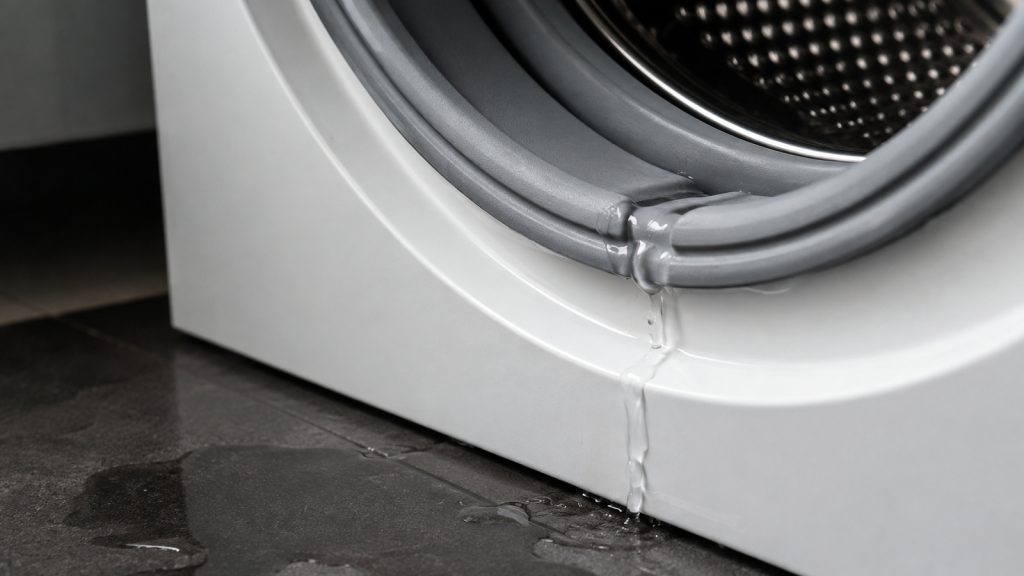
Front-load leaks often hide in the door boot fold or detergent drawer — inspect those before assuming a cracked tub.
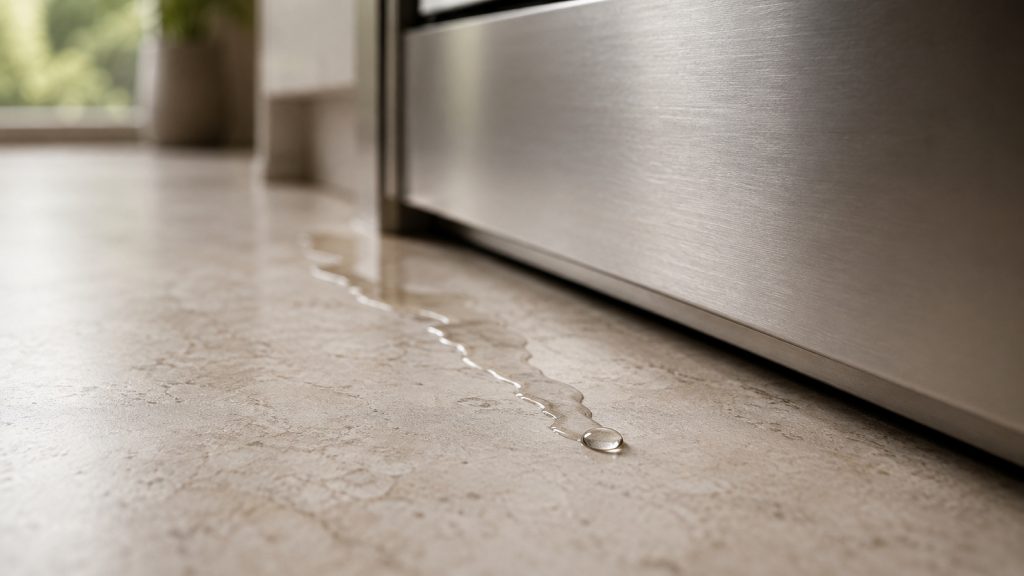
Front leaks on Viking dishwashers often come from suds, loading, or gasket debris — check those before assuming a tub crack.
Share a few details and we’ll confirm an appointment. Prefer to talk? Call us and we’ll help right away.
Use the secure scheduler below to request your appointment.