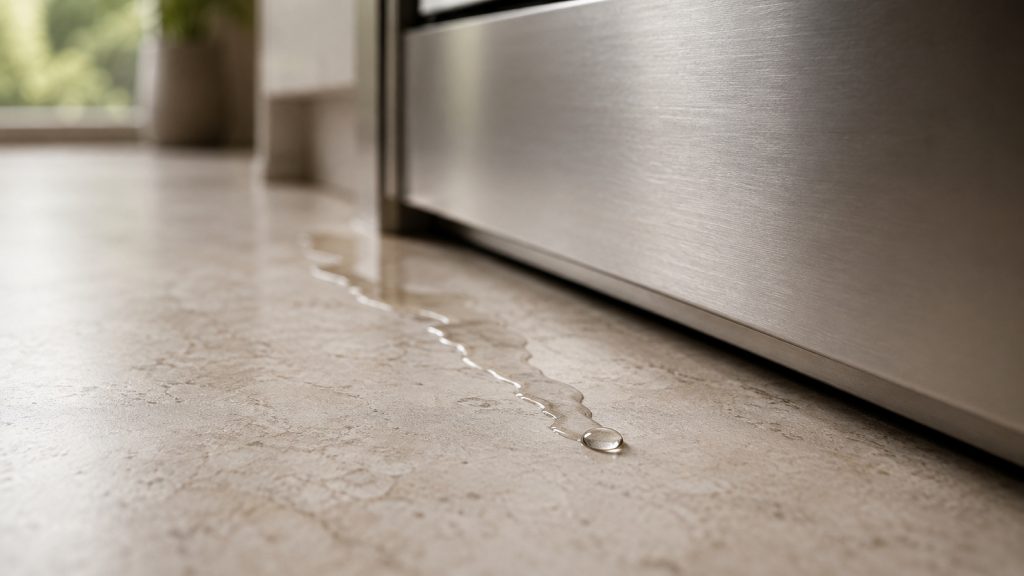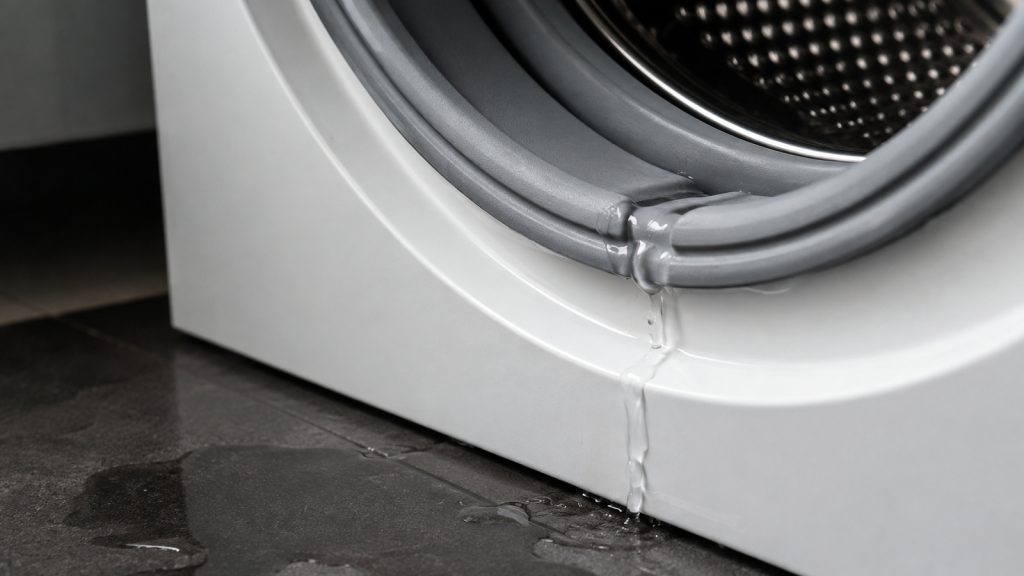
Front Leak on a Viking Washer: Gasket Folds and Dispenser Paths
Front-load leaks often hide in the door boot fold or detergent drawer — inspect those before assuming a cracked tub.
A tumbling dryer with cool air may be on an air-fluff cycle or choked vent — verify settings and airflow before heater replacement.

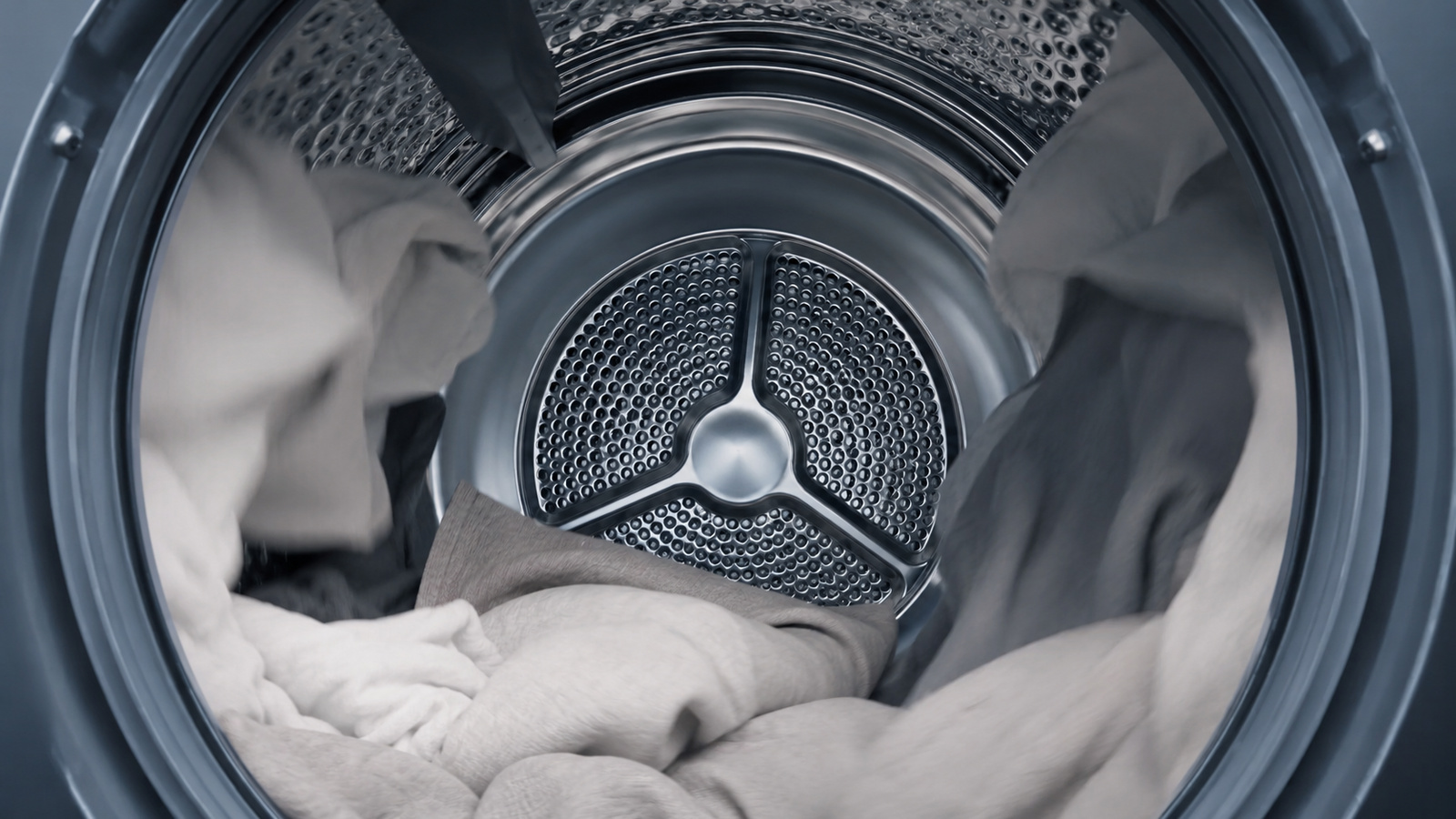
Towels that tumble forever without warming suggest either no heat command or heat limited by safety thermostats after a vent clog. The drum motor can run happily while the heater stays off.
Independent technicians test elements, thermal fuses, and gas coils as equipped. Owners should confirm cycle selection and lint paths first — and stop at any scorched smell.
Many dryers include air-dry or delicate options with little or no heat. Select a standard cotton heat program and feel the exhaust at the exterior flap after ten minutes.
Child locks and accidental option buttons can also disable heat on some controls — clear them per the manual.
| Behavior | Likely cause | Check |
|---|---|---|
| Tumbles, cool air | Air-fluff or no-heat option | Select heated cycle |
| Warms then quits | Vent restriction | Clean screen; inspect hose |
| Never warms | Heater or fuse circuit | Book testing |
Clean the lint screen and straighten crushed vent hose. Restricted exhaust causes overheating trips that feel like “no heat” mid-cycle.
Confirm the exterior flap opens. A blocked termination produces the same symptom as a failed element.
Safe to try
Leave to a technician
If settings and vents are correct and air stays cool — or a burning odor appears — unplug and schedule independent repair. Thermal fuses often open for a reason; replacing them without fixing airflow invites repeat failure.
Gas dryers with ignition failure need leak-aware technicians, not DIY coil probing.
Tell the dispatcher which fuel your dryer uses. Parts and tests differ, and outdoor Viking ranges being gas does not mean the dryer is.
No-heat drying is a settings and airflow checklist first. When those pass, independent repair should test the heat circuit without unsafe bypasses.
This article covers Viking Dryer Tumbling Cold: with practical checks you can run before booking a technician.
Need help now? Visit our services page or contact us.
Official manuals and support notes are available on Viking Range owner support.
Remember: Viking Dryer Tumbling Cold: is easier to resolve when you capture the model number and when Viking Dryer Tumbling Cold: first appeared.
Write down the full model number before ordering parts. Board and sensor revisions can change which part number is correct.
A single power reset can clear a temporary fault, but repeated returns of the same code usually mean a physical cause remains.
Keep vents and filters clear between visits. Restricted airflow often mimics electrical or sensor failures.
If water, burning smells, or sparking are present, stop using the appliance and arrange a professional inspection.
Safety thermostats stopped tripping once exhaust could flow. That was restriction, not a miracle heater recovery.
Yes. Electric dryers often use dual breakers; one leg out can yield tumble without heat.
Yes if clothes never dry. Partial element failure and weak gas ignition both need testing.
Front-load leaks often hide in the door boot fold or detergent drawer — inspect those before assuming a cracked tub.
Front leaks on Viking dishwashers often come from suds, loading, or gasket debris — check those before assuming a tub crack.
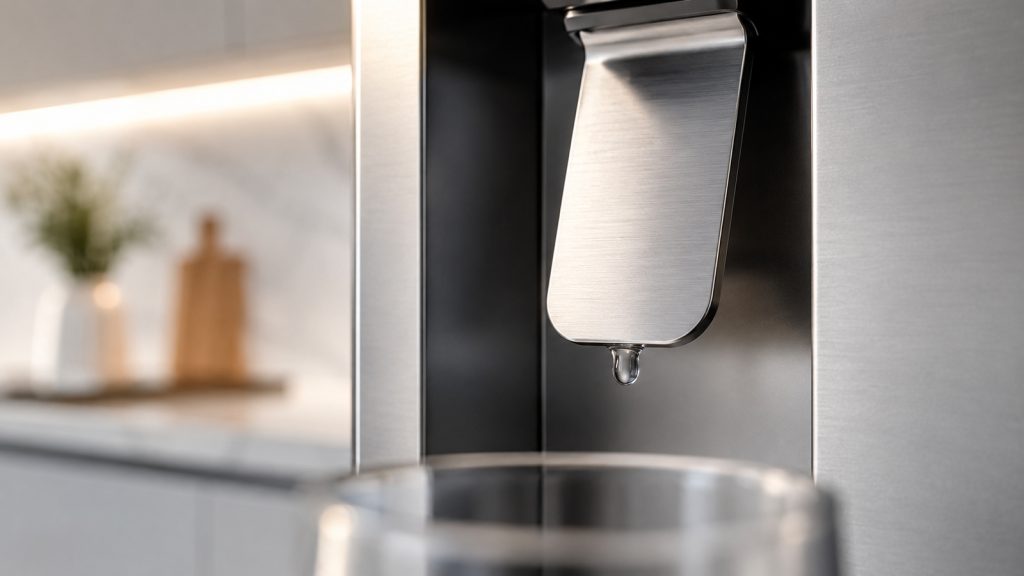
Slow Viking dispenser flow often follows filters and air pockets; continuous drips may need valve service.
Share a few details and we’ll confirm an appointment. Prefer to talk? Call us and we’ll help right away.
Use the secure scheduler below to request your appointment.