Viking Dryer Tumbling Cold: Cycle Choice Versus True Heat Loss
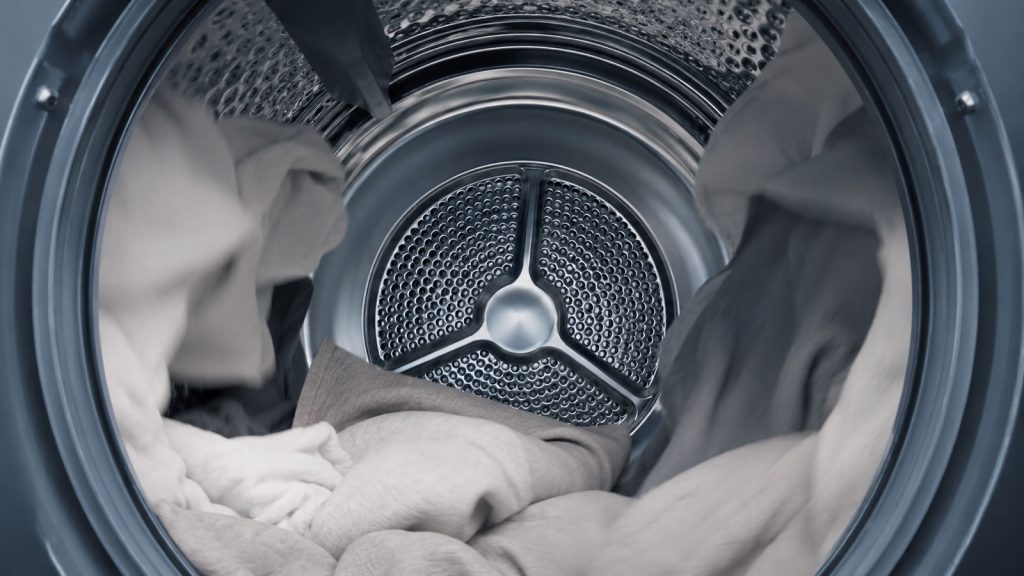
A tumbling dryer with cool air may be on an air-fluff cycle or choked vent — verify settings and airflow before heater replacement.
Viking induction zones need magnetic, well-centered cookware of adequate diameter — verify pans before blaming the glass.

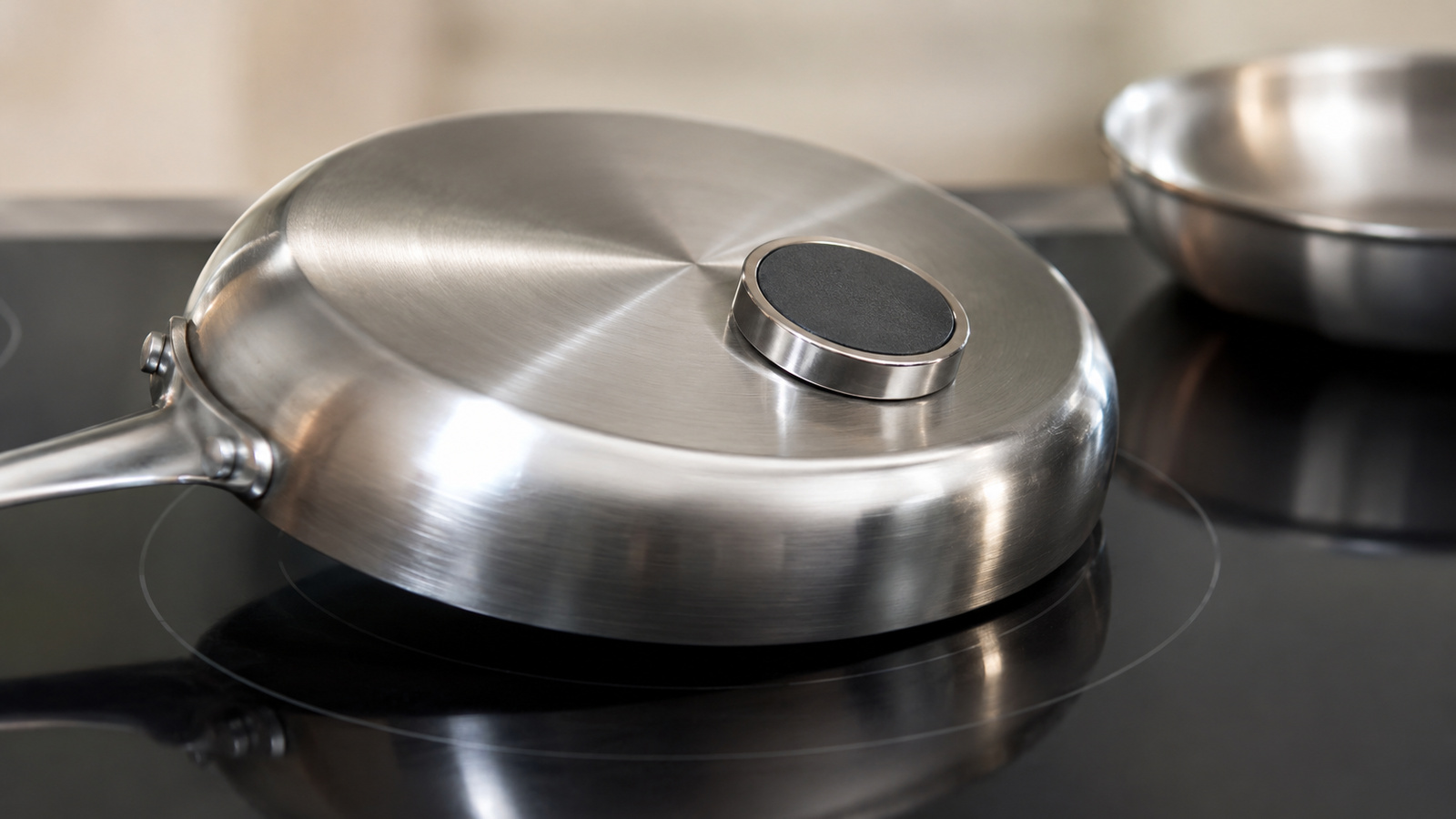
Induction on a Viking cooktop heats the pan, not the glass. Nonmagnetic bases, tiny saucepans, or a pan parked halfway off the ring look exactly like a dead zone to the sensors.
Independent technicians still diagnose power boards when every zone fails, but most “no pan detected” calls end with a magnet test and better centering.
Stick a magnet to the bottom. Strong attraction means a good candidate; weak or no hold means the pan will never couple, no matter the brand name stamped on the side.
Warped bases that rock on the glass can also drop out of detection as they heat. Flat, heavy bottoms behave best on Viking zones.
| Cooktop response | Likely pan issue | Fix |
|---|---|---|
| No pan detected | Nonmagnetic base | Switch to magnetic cookware |
| Zone shuts off early | Pan undersized | Use larger diameter on that ring |
| All zones fail | Power or control fault | Book diagnosis |
Place the pan fully over the printed zone. Edge parking confuses sensors and reduces power.
Check for control lock or demo modes that limit heating. Clear them using the combination in the Viking manual before assuming hardware failure.
Safe to try
Leave to a technician
If verified induction pans fail on multiple zones, breakers trip, or error codes flash, stop and schedule independent Viking service. Generators and shared circuits can also confuse induction — mention recent electrical work.
Never cook on a cracked cooktop surface; shards and moisture create shock hazards.
One flat magnetic skillet dedicated as a reference pan settles arguments quickly when guests bring incompatible cookware into a Viking kitchen.
Induction recognition problems are usually cookware and placement problems. Prove the pan, center it, clear locks — then call repair if Viking zones still refuse to couple.
This article covers Viking Induction Zone Ignoring with practical checks you can run before booking a technician.
Need help now? Visit our services page or contact us.
Official manuals and support notes are available on Viking Range owner support.
Remember: Viking Induction Zone Ignoring is easier to resolve when you capture the model number and when Viking Induction Zone Ignoring first appeared.
Write down the full model number before ordering parts. Board and sensor revisions can change which part number is correct.
A single power reset can clear a temporary fault, but repeated returns of the same code usually mean a physical cause remains.
Keep vents and filters clear between visits. Restricted airflow often mimics electrical or sensor failures.
If water, burning smells, or sparking are present, stop using the appliance and arrange a professional inspection.
No. Only magnetic stainless grades couple. Always magnet-test.
Oversized cookware that overhangs badly can confuse sensors or stress glass — match pan size to the zone guidance.
Cooling fans often continue briefly to protect electronics. That alone is normal.
A tumbling dryer with cool air may be on an air-fluff cycle or choked vent — verify settings and airflow before heater replacement.
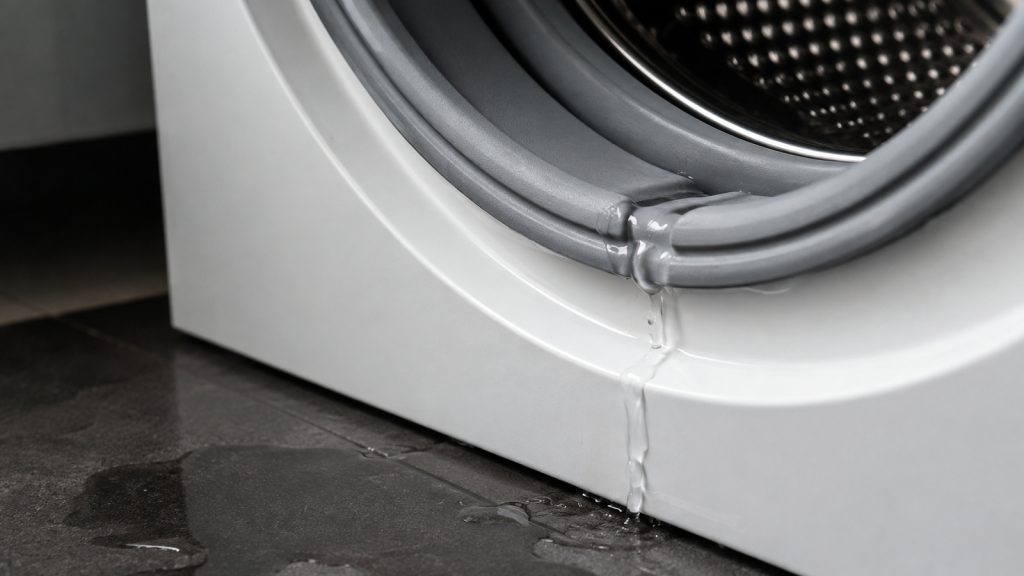
Front-load leaks often hide in the door boot fold or detergent drawer — inspect those before assuming a cracked tub.
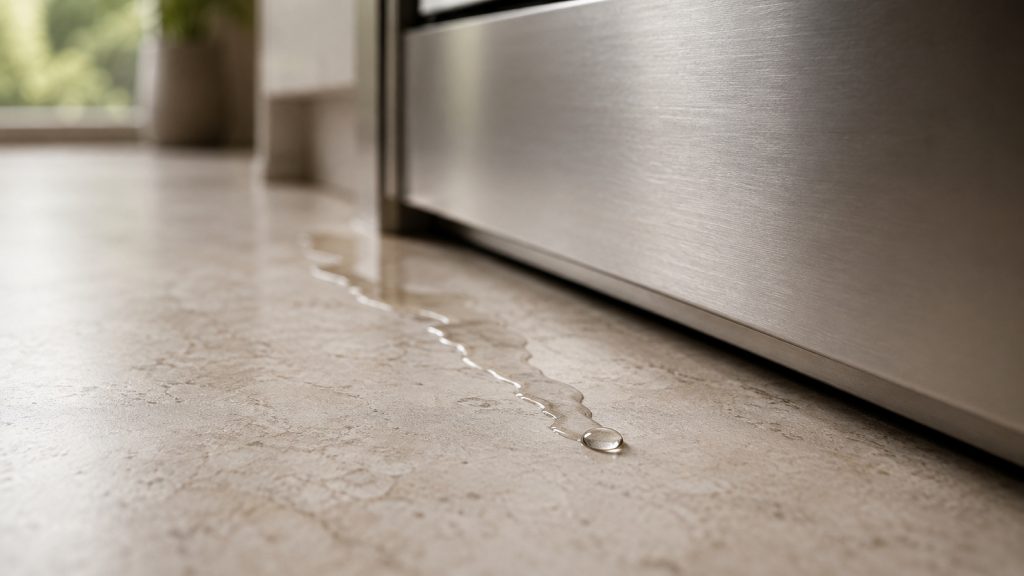
Front leaks on Viking dishwashers often come from suds, loading, or gasket debris — check those before assuming a tub crack.
Share a few details and we’ll confirm an appointment. Prefer to talk? Call us and we’ll help right away.
Use the secure scheduler below to request your appointment.