Viking Dryer Tumbling Cold: Cycle Choice Versus True Heat Loss
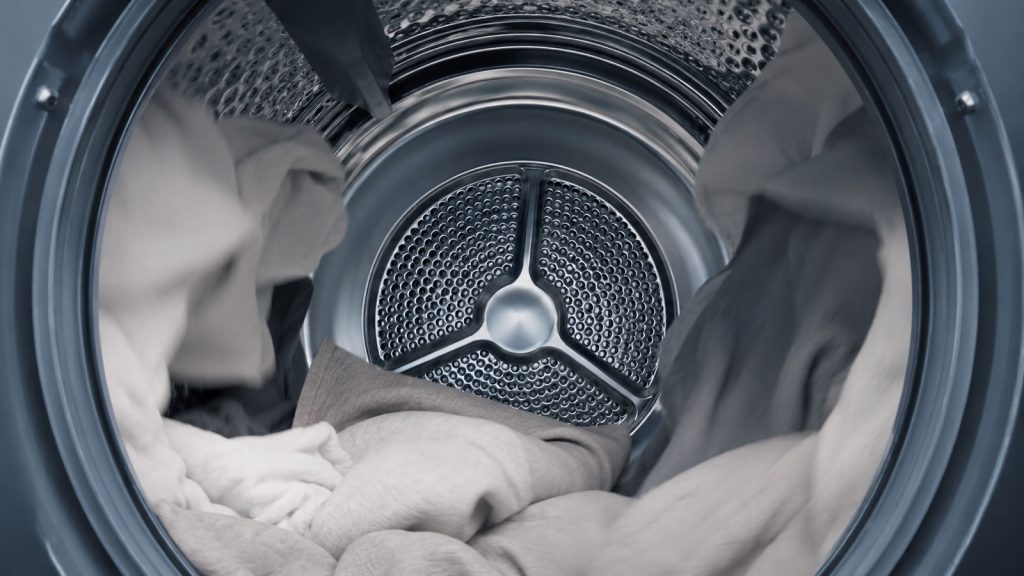
A tumbling dryer with cool air may be on an air-fluff cycle or choked vent — verify settings and airflow before heater replacement.
Slow or low Viking oven temperatures may be mode, load, or door habits — persistent gaps need sensor and element testing.

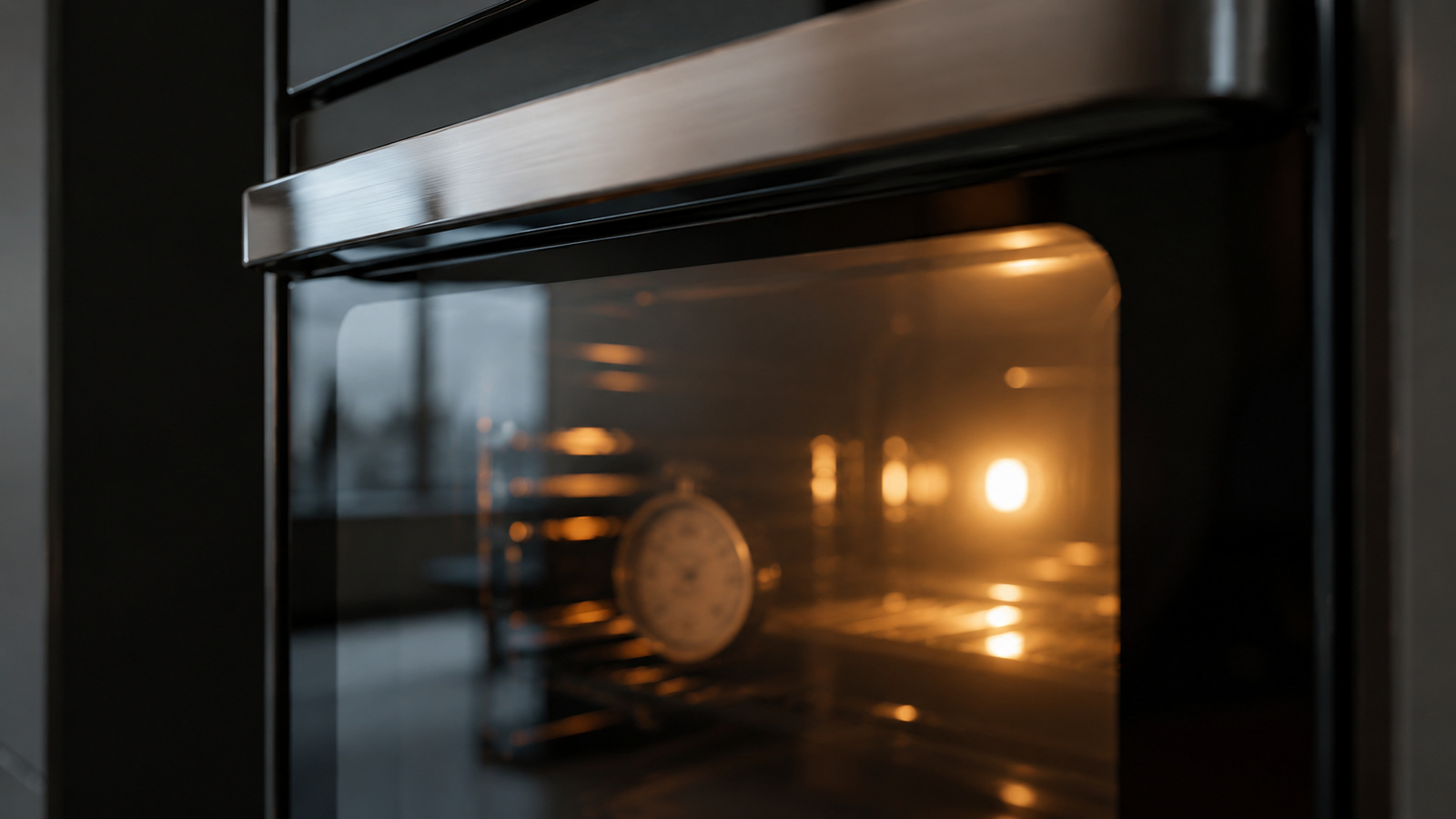
A Viking range oven that never quite hits the number on the display frustrates bakers who rely on precise pastry heats. Large cavities, heavy stones, and frequent door checks all stretch preheat and recovery times.
Independent Viking technicians measure real cavity temperature and test sensors when underbaking continues after technique fixes. Start with mode selection and door discipline.
Confirm you selected bake or convection bake as intended — not a low specialty mode. Wait for the preheat signal before loading; guessing by time alone undershoots on cold starts.
Reduce massive stone loads during the temperature check. Thermal mass steals heat that would otherwise raise air temperature quickly.
| Observation | Likely factor | Owner action |
|---|---|---|
| Long first preheat of day | Cold cavity mass | Allow full indicator wait |
| Underbaked every tray | Wrong mode or rack | Match mode; center rack |
| Large gap vs setpoint | Sensor or heat circuit | Schedule testing |
Watch the door gasket for tears or food debris that vent heat. Peeking every few minutes resets recovery and mimics a weak element.
Keep interior glass clean so you can monitor browning without opening. Viking windows exist for that reason.
Safe to try
Leave to a technician
If an oven-safe thermometer viewed through the glass stays far below setpoint after a proper preheat, book independent Viking service. Share whether self-clean was run recently — some sensors drift afterward.
Error codes related to temperature sensors should be photographed before clearing.
Working surface burners with a cold oven point inside the cavity circuit. Total gas failure across cooktop and oven is a supply conversation instead.
Viking ovens that miss temperature need honest preheat habits first and calibrated testing second. Independent repair closes the gap when sensors or elements fail.
This article covers Viking Range Oven Lagging with practical checks you can run before booking a technician.
Need help now? Visit our services page or contact us.
Official manuals and support notes are available on Viking Range owner support.
Remember: Viking Range Oven Lagging is easier to resolve when you capture the model number and when Viking Range Oven Lagging first appeared.
Write down the full model number before ordering parts. Board and sensor revisions can change which part number is correct.
A single power reset can clear a temporary fault, but repeated returns of the same code usually mean a physical cause remains.
Keep vents and filters clear between visits. Restricted airflow often mimics electrical or sensor failures.
If water, burning smells, or sparking are present, stop using the appliance and arrange a professional inspection.
Many recipes reduce setpoint for convection. Follow the recipe or Viking guidance rather than mixing conventions.
Yes. Heat leaks through a door that never seals fully.
Only if the manual provides an offset procedure and a technician has verified a true offset — do not stack random adjustments.
A tumbling dryer with cool air may be on an air-fluff cycle or choked vent — verify settings and airflow before heater replacement.
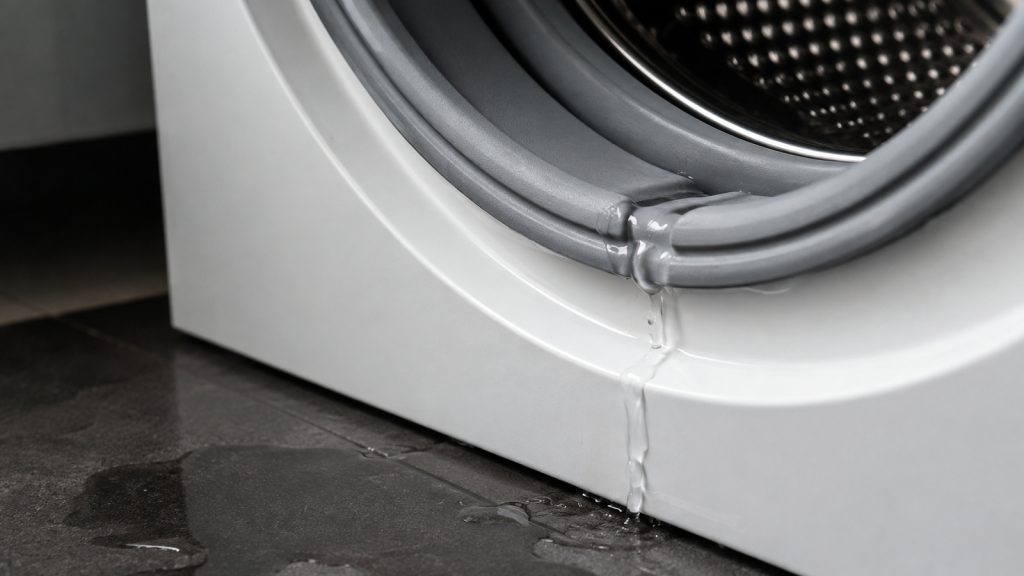
Front-load leaks often hide in the door boot fold or detergent drawer — inspect those before assuming a cracked tub.
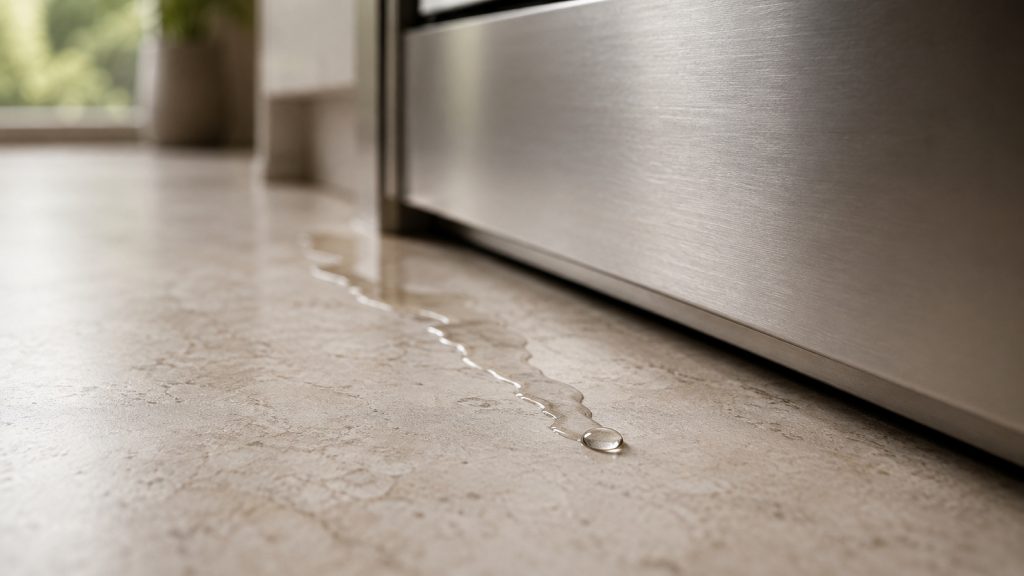
Front leaks on Viking dishwashers often come from suds, loading, or gasket debris — check those before assuming a tub crack.
Share a few details and we’ll confirm an appointment. Prefer to talk? Call us and we’ll help right away.
Use the secure scheduler below to request your appointment.