Viking Wine Cellar Not Cooling: Temperature Drift Has More Than One Cause
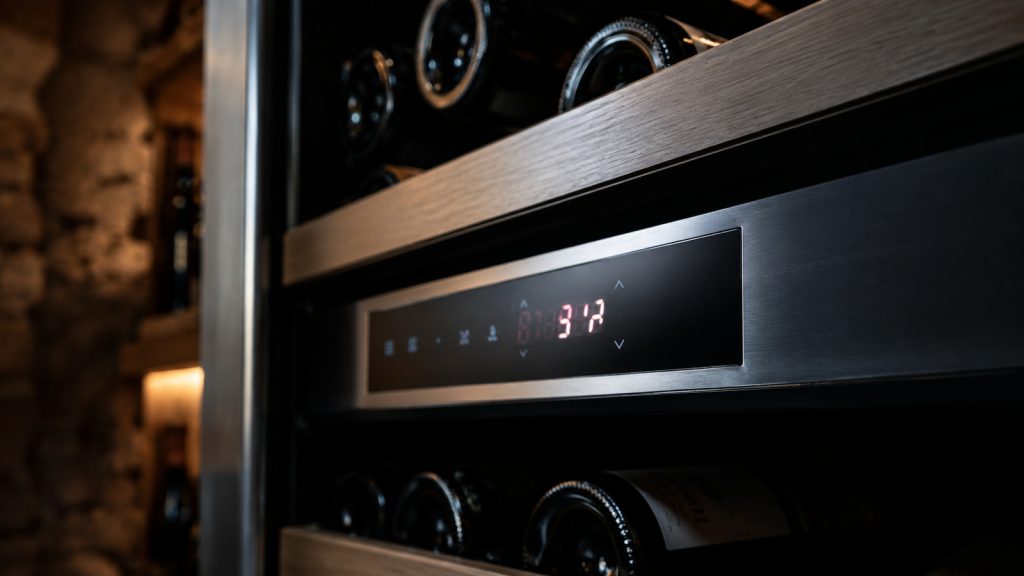
A Viking wine cellar can drift because of door sealing, loading, room conditions, ventilation, fans, sensors, controls, or the refrigeration system. One display reading…
Weak capture can come from grease-loaded filters, blocked intake areas, duct resistance, a stuck exterior damper, insufficient make-up air, blower hardware, or controls. A clean-looking hood does not prove the full air…

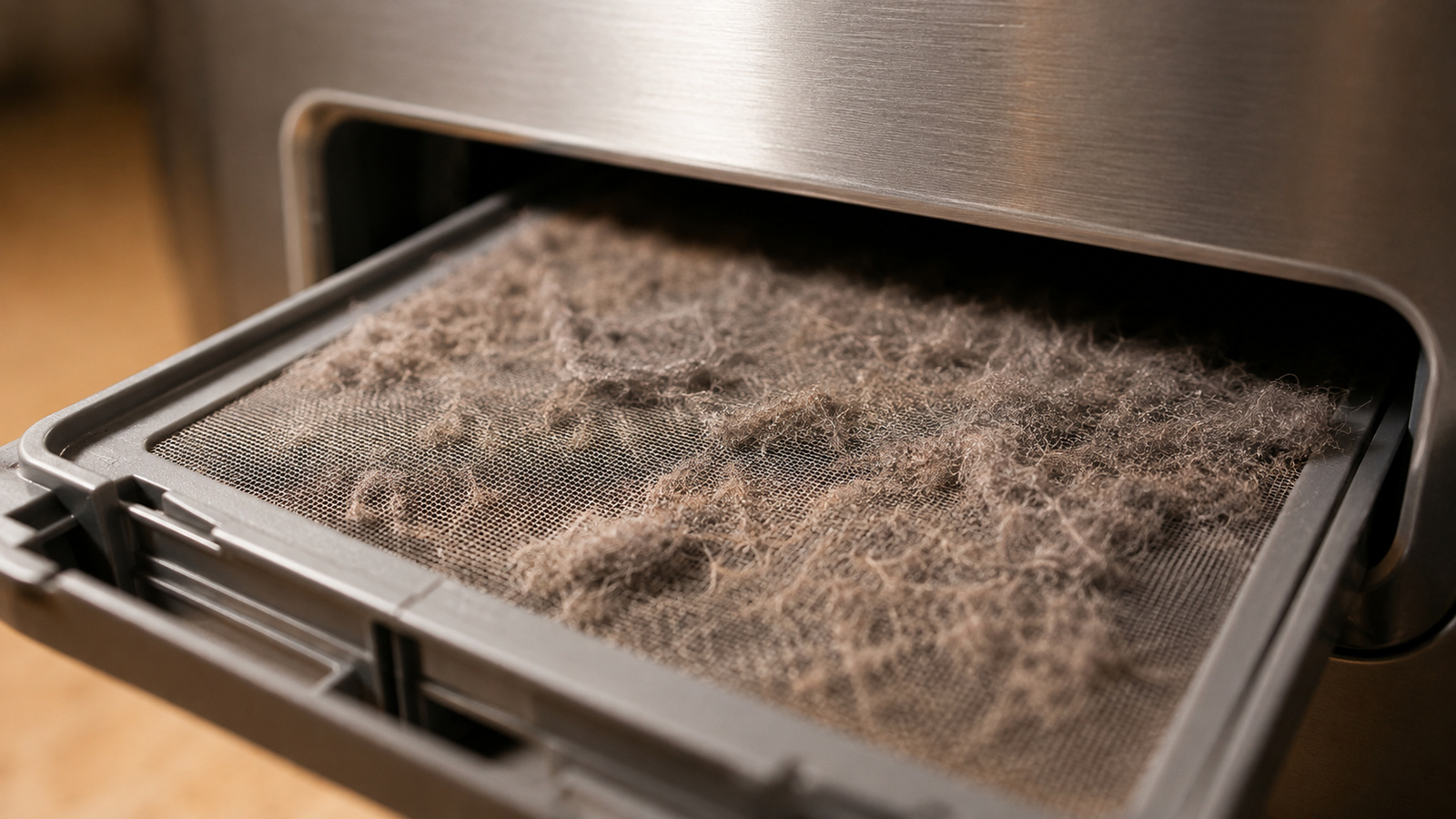
Weak airflow from a Viking range hood often has a cleanable cause before it has a blower cause: grease-loaded or overdue filters, a blocked intake or too little make-up air. Clean the filters the way the manual describes, confirm the visible openings are clear, and book a diagnosis if capture stays weak, because duct and damper conditions cannot be judged from the kitchen.
Weak capture can come from grease-loaded filters, blocked intake areas, duct resistance, a stuck exterior damper, insufficient make-up air, blower hardware, or controls. A clean-looking hood does not prove the full air path is clear.
Change one condition at a time. Resetting power, changing settings, cleaning multiple systems and moving the appliance all at once can erase evidence.
| Symptom | What it can point to | What you can safely check |
|---|---|---|
| Weak capture and greasy baffle or mesh filters | Filters loaded with grease | Wash them in the dishwasher or in hot soapy water, with no caustic detergent, and do not disassemble them |
| Weak capture on a recirculating hood | Disposable charcoal filters overdue; they are not dishwasher-safe | Check when they were last replaced |
| Downdraft filter light is on | The light comes on after 30 hours of use | Clean the filter and use the reset button on the control panel |
| Weak downdraft extraction | Top glass out of position, a blocked suction opening, a dirty grease filter, no make-up air or a duct constriction | Check each item the manual lists |
| Blower jumps to a higher speed on its own | The heat sensor; the blower goes to full power at 165F under the hood and returns once below 147F | Treat it as normal behavior |
Viking ventilation includes wall/chimney/ceiling hoods, custom ventilator systems and downdrafts. Filters, blower operation, duct resistance, dampers and make-up air all affect capture and noise.
Dishwasher-safe baffle and mesh filters should be cleaned at least once a month, and more often for frequent frying or wok cooking. Recirculating hoods rely on disposable charcoal filters that are replaced every 6 to 12 months. The manual for the 5 Series hoods also asks owners to turn the hood on before cooking and let the blower run a few minutes afterward.
The heat sensor explains two behaviors that look like faults. It raises the blower to full power at 165F and lets it return once the air is below 147F. The manual also says power should be disconnected during cleaning, because the heat sensor can start the blower.
A symptom identifies a system to investigate; it does not identify one replacement part. Installation, utilities, sensors, wiring, airflow, mechanical components, controls and the appliance’s heating or refrigeration system can create similar outward behavior.
If airflow remains weak with clean filters and clear openings, the blower, damper, duct path, installation, or control system may need evaluation.
Clean filters address only the first stage of the air path. The RVL downdraft manual lists a longer set of weak-extraction checks: the top glass positioned correctly, the suction opening clear, the grease filter cleaned about every two weeks, make-up air available, and a duct free of blockages or constrictions. That list shows why a hood can look spotless and still capture poorly.
The last two items are installation conditions. Make-up air and duct resistance involve the house rather than the hood, so a technician may need to look at the whole installation, not only the appliance.
Write down:
Those details reduce repeated owner checks and help the technician choose a focused diagnostic path.
Leave heavy professional ranges, built-in refrigerators, wall ovens, undercounter products and tightly installed appliances in place unless the service team specifically requests access. Moving an appliance without a plan can disturb flooring, cabinetry, anti-tip hardware, gas, electrical, water, drain or ventilation connections.
For condos, high-rises, gated properties and custom kitchens, include loading, elevator, shutoff, parking and clearance information when booking.
Do not clear a useful code before recording it. Do not order a part because another Viking owner described a similar symptom. Do not apply an oven F-code meaning to a refrigeration or dishwasher platform without verification.
One controlled owner-level check is useful when it answers a question. Repeated resets and panel removal usually remove evidence instead of adding it.
For adjacent symptoms, read Viking Ventilation Maintenance: Filters, Grease, Airflow, and Noise and Viking Range Hood Is Noisy: Separate Filter, Vibration, Duct, and Blower Clues.
Should I keep resetting the Viking appliance if it starts working again? Use one normal model-approved restart when appropriate and record any code first. If the same condition returns, repeated resets are not a repair.
Should I buy a part from the symptom or F-code alone? Usually no. Similar symptoms can come from different components, installation conditions or utility problems.
Can I remove panels to inspect wiring, gas parts or controls? No. Keep homeowner checks external and model-appropriate.
Why does the full model number matter? Viking has multiple product series and generations. Exact model identity helps prevent the wrong technical path.
How often should Viking hood filters be cleaned? Dishwasher-safe baffle and mesh filters should be cleaned at least once a month, and more often with frequent frying or wok cooking. Charcoal filters in recirculating hoods are replaced every 6 to 12 months instead.
Why does the blower speed up by itself? The heat sensor sends the blower to full power at 165F under the hood and lets it return once the temperature falls below 147F.
If the filters are clean, what else can reduce airflow? The manual for a downdraft model also points to the top glass position, the suction opening, make-up air and the duct. Persistent weak airflow after those checks needs diagnosis.
A Viking wine cellar can drift because of door sealing, loading, room conditions, ventilation, fans, sensors, controls, or the refrigeration system. One display reading…
A Viking burner that keeps clicking can be reacting to moisture, a mis-seated cap, debris around the igniter, a switch condition, wiring, or ignition…
Standing water after a Viking dishwasher cycle can come from the filter/sump, drain hose, sink or disposer connection, check path, pump, sensing, or controls.…
Share a few details and we’ll confirm an appointment. Prefer to talk? Call us and we’ll help right away.