Viking Oven Temperature Seems Wrong: Measure the Average, Not One Moment
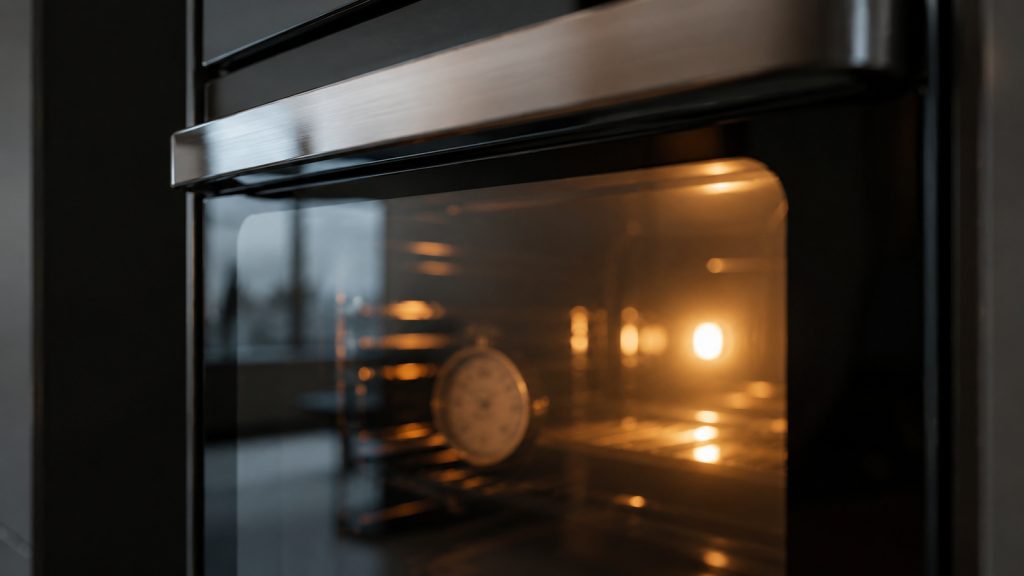
Oven temperature normally cycles above and below the setpoint. One quick thermometer reading can make normal cycling look like a calibration problem, so use…
A rattle, hum, howl, or vibration can come from a loose filter, user-accessible trim, duct resonance, a damper, accumulated grease, blower hardware, or motor/control behavior.

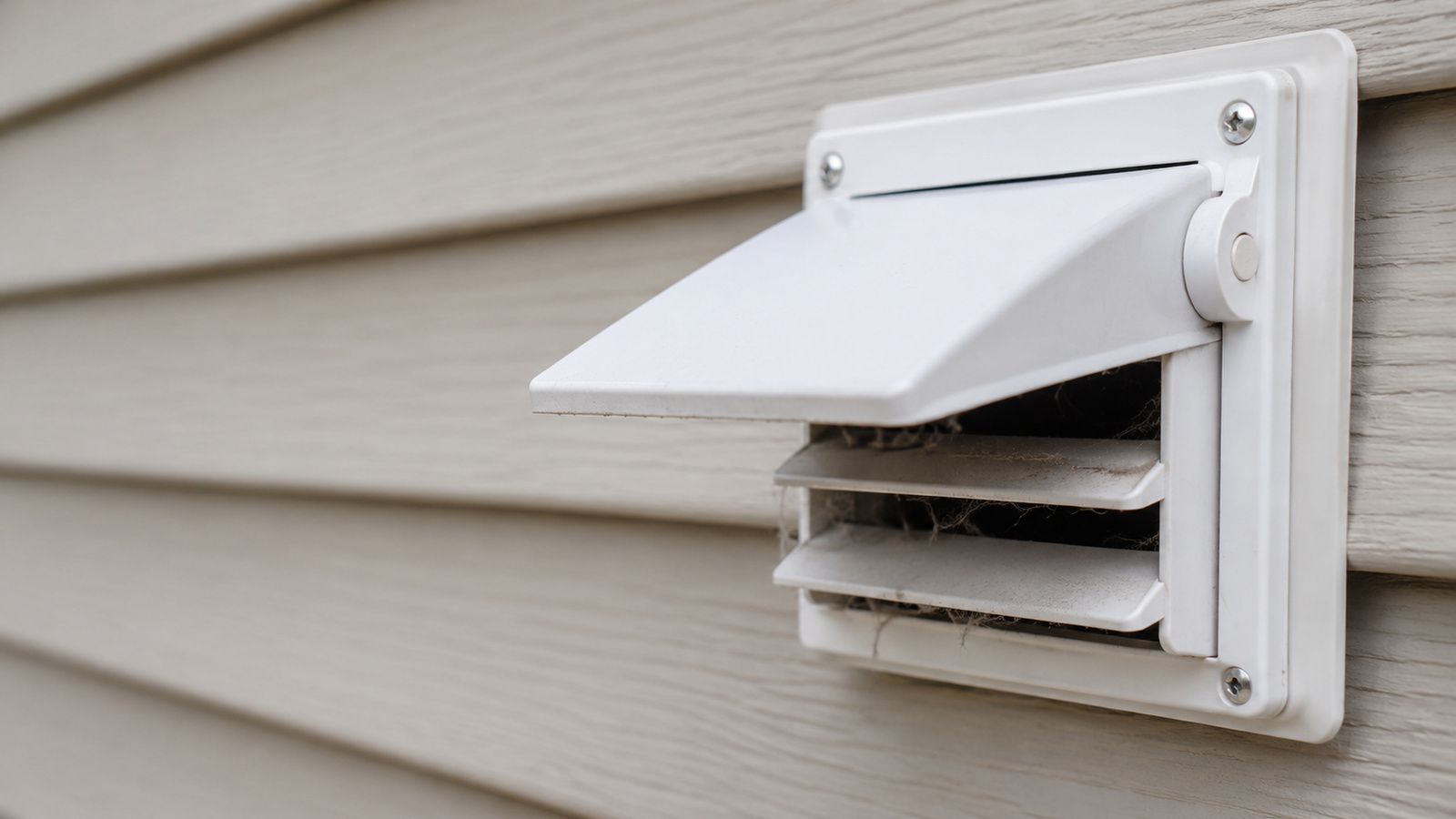
A noisy Viking hood is easiest to sort by how the sound behaves: a rattle or tick that changes when a filter is pressed or reseated points to a loose part, a whistle or roar that rises with fan speed points to restricted airflow, and grinding or heavy vibration at every speed points to the blower itself. Clean and reseat the filters, compare speeds, and book a visit if grinding or vibration stays.
A rattle, hum, howl, or vibration can come from a loose filter, user-accessible trim, duct resonance, a damper, accumulated grease, blower hardware, or motor/control behavior.
Clean and correctly reseat owner-serviceable filters.
Check that accessible trim pieces are secure.
Compare multiple fan speeds and note whether the sound changes with airflow.
| Symptom | What it can point to | What you can safely check |
|---|---|---|
| Rattle or tick, often at low speed | A filter that is not seated, or loose accessible trim | Take out the filters, clean them, seat them fully, and press lightly on the trim while the fan runs |
| Whistle or howl that grows with speed | Grease-loaded filters, duct resistance, or too little make-up air | Compare the sound before and after cleaning the filters, at the same fan setting |
| Sudden jump in volume while cooking | The heat sensor sending the blower to full power | Note whether the louder mode follows hot cooking and fades once the area under the hood cools |
| Grinding, scraping, or shaking at every speed | Blower hardware, mounting, or the duct path | Stop using the hood and arrange service |
Viking ventilation includes wall/chimney/ceiling hoods, custom ventilator systems and downdrafts. Filters, blower operation, duct resistance, dampers and make-up air all affect capture and noise.
Airflow noise grows as the blower works harder, so a whistle or roar that rises with each speed step usually involves air moving through a restriction. A mechanical sound tends to stay rough at every speed, and the two point the diagnosis in different directions.
The Viking ventilation FAQ describes a heat sensor that moves the blower to full power when the temperature under the hood reaches 165F and lets it return once the temperature falls below 147F. A hood that suddenly gets loud over a hot pan, then settles later, may be doing exactly what it was designed to do. The use-and-care manual for one Viking hood adds that the sensor can start the blower during cleaning if power stays connected.
If grinding, severe vibration, or abnormal motor noise persists, the blower, mounting, duct, or controls may need service.
Viking says baffle and mesh filters should be cleaned at least once a month, and more often with frequent frying or wok cooking. Recirculating hoods use charcoal filters that are replaced every 6 to 12 months and are not dishwasher-safe. A neglected set of either type adds resistance and added resistance can show up as whistling.
The manual for one Viking downdraft cooktop lists weak-extraction checks that include the top glass being positioned correctly, the suction opening being clear, the grease filter being clean, make-up air being available, and the duct being free of blockages or constrictions.
Record the complete model number and exact display before resetting power. Similar-looking Viking F-codes or messages can require different interpretation by appliance family and model.
Write down:
Those details reduce repeated owner checks and help the technician choose a focused diagnostic path.
A noise complaint does not normally come with a code. If your hood or downdraft does show a message, read it exactly as displayed, because meanings differ between Viking product families and should not be borrowed from an oven or dishwasher.
Leave heavy professional ranges, built-in refrigerators, wall ovens, undercounter products and tightly installed appliances in place unless the service team specifically requests access. Moving an appliance without a plan can disturb flooring, cabinetry, anti-tip hardware, gas, electrical, water, drain or ventilation connections.
For condos, high-rises, gated properties and custom kitchens, include loading, elevator, shutoff, parking and clearance information when booking.
Do not clear a useful code before recording it. Do not order a part because another Viking owner described a similar symptom. Do not apply an oven F-code meaning to a refrigeration or dishwasher platform without verification.
One controlled owner-level check is useful when it answers a question. Repeated resets and panel removal usually remove evidence instead of adding it.
For adjacent symptoms, read Viking Range Hood Has Weak Airflow: Filters, Ducting, or Blower? and Viking Ventilation Maintenance: Filters, Grease, Airflow, and Noise.
Should I keep resetting the Viking appliance if it starts working again? Use one normal model-approved restart when appropriate and record any code first. If the same condition returns, repeated resets are not a repair.
Should I buy a part from the symptom or F-code alone? Usually no. Similar symptoms can come from different components, installation conditions or utility problems.
Can I remove panels to inspect wiring, gas parts or controls? No. Keep homeowner checks external and model-appropriate.
Why does the full model number matter? Viking has multiple product series and generations. Exact model identity helps prevent the wrong technical path.
Why is my Viking hood louder when I cook at high heat? Many Viking hoods have a heat sensor that raises the blower to full power at 165F under the hood and drops it back once the temperature is below 147F. A louder blower during hot cooking can be that sensor at work, but a sound that stays loud after the area cools deserves a closer look.
How often should hood filters be cleaned if the hood is getting louder? Viking lists baffle and mesh filters for cleaning at least once a month, with more frequent cleaning for heavy frying. Charcoal filters on recirculating hoods are replaced on a 6 to 12 month interval and cannot go in the dishwasher.
Is a rattling hood safe to keep running? A light rattle that stops once a filter is reseated is a small issue. Grinding, scraping, or strong vibration is a reason to turn the hood off and book service rather than run it through another cooking session.
Oven temperature normally cycles above and below the setpoint. One quick thermometer reading can make normal cycling look like a calibration problem, so use…
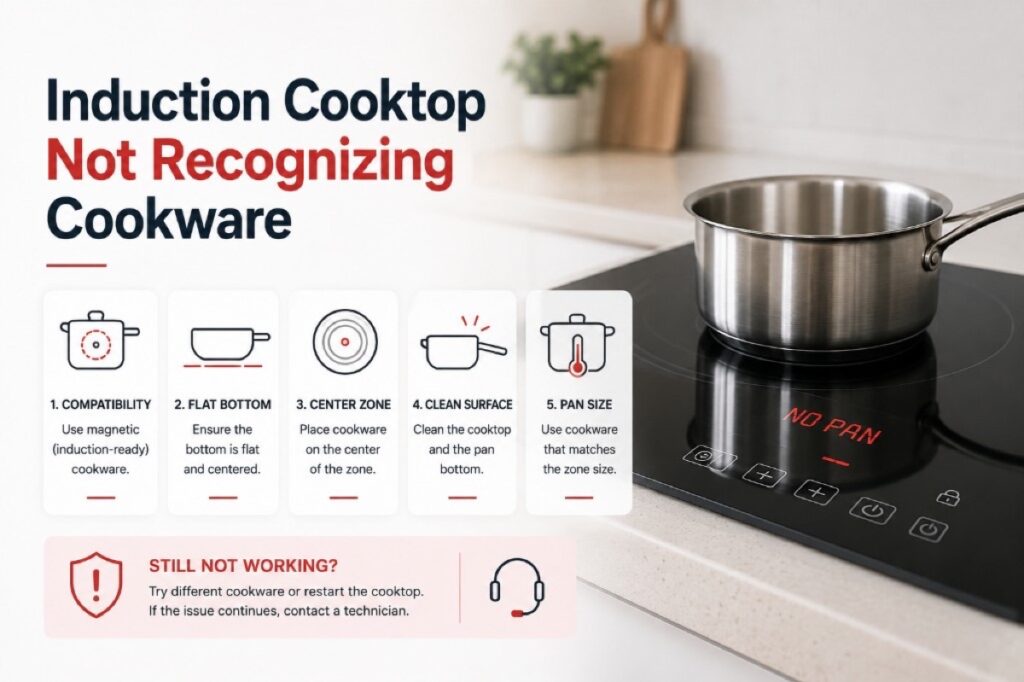
An induction zone needs magnetic cookware of an appropriate base size and position. A cookware issue can look exactly like a dead zone until…
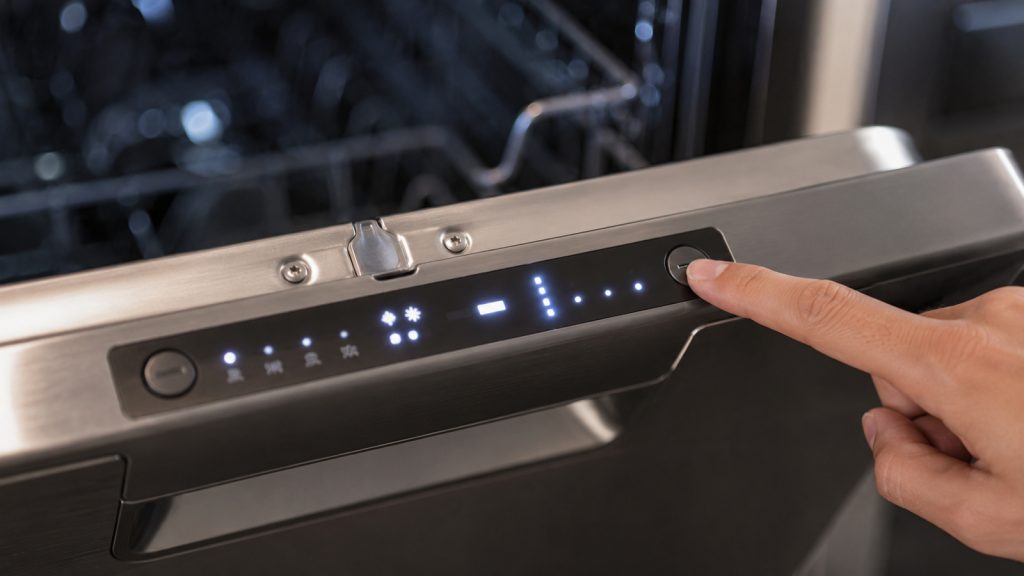
A dishwasher that starts without enough water needs the household supply and door/start conditions checked before an inlet valve or control is blamed.
Share a few details and we’ll confirm an appointment. Prefer to talk? Call us and we’ll help right away.